In 2025, the landscape of corporate travel is set for a dramatic transformation as the United Arab Emirates (UAE) partners with the United States and the United Kingdom to implement revolutionary changes in hotel pricing models. As corporate travel managers navigate the complexities of rising hotel rates, evolving pricing strategies, and shifting traveler expectations, a recent survey conducted by the Global Business Travel Association (GBTA) has provided valuable insights into the strategies and priorities that will shape managed hotel programs this year.
Price Remains the Top Priority
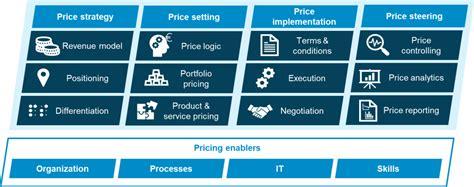
According to the GBTA survey, an overwhelming 83% of corporate travel buyers emphasize the importance of company-negotiated rates, discounts, and fixed pricing structures when selecting preferred hotels. This focus on cost control highlights the ongoing pressure to manage travel expenses amid economic uncertainty and inflationary trends that have characterized recent years. Businesses are increasingly aware that effective management of travel costs is crucial for maintaining profitability and competitiveness in a challenging market environment. However, while price remains paramount, there is a growing recognition among travel managers of the necessity for flexibility and adaptability in hotel programs to cater to diverse traveler needs.
Dynamic Pricing Gains Traction
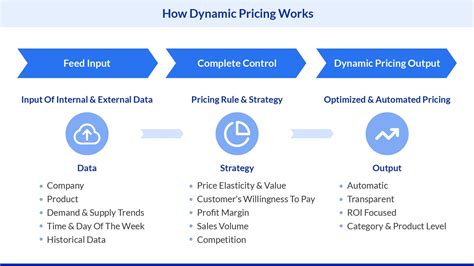
As corporate travel continues to evolve, dynamic pricing is emerging as an integral component of hotel strategies. This pricing model allows hotel rates to adjust based on real-time demand and supply conditions, thereby enabling companies to secure favorable rates during low-demand periods while maintaining flexibility during peak times. The GBTA survey indicates that 77% of respondents are incorporating dynamic pricing into their hotel strategies, illustrating its increasing relevance in the corporate travel landscape. Despite its advantages, such as potential cost savings, dynamic pricing introduces complexities, including price volatility and the requirement for sophisticated data analytics to predict and manage costs effectively. Companies must invest in advanced analytical tools and capabilities to navigate these challenges successfully and harness the benefits of this pricing approach.
Hybrid Models: Merging Fixed and Dynamic Rates
To achieve a balance between cost control and flexibility, many travel managers are adopting hybrid models that combine fixed and dynamic rates. The survey reveals that 60% of corporate travel buyers favor this approach, which allows them to lock in stable rates for high-volume properties while taking advantage of dynamic pricing in locations with fluctuating demand. This strategy aims to optimize savings without compromising traveler convenience or accommodation quality. By leveraging both pricing models, companies can create a more robust and adaptable hotel program that aligns with their evolving business needs and the preferences of their traveling employees.
Emphasis on Location and Accessibility
While price considerations dominate the decision-making process, the importance of location cannot be overstated. The GBTA survey found that 82% of corporate travel buyers prioritize properties located near their offices, while 44% actively seek hotels close to client locations. This emphasis on convenience and accessibility reflects a broader understanding of how these factors support business objectives and enhance traveler satisfaction. In a world where time is money, ensuring that employees are situated conveniently can lead to increased productivity and improved business outcomes.
Innovations in Hotel RFP Processes
The Request for Proposal (RFP) process is evolving to meet the demands of modern corporate travel. Travel managers are increasingly interested in securing multi-year fixed-rate agreements, with 64% expressing interest in such arrangements. This trend indicates a shift towards long-term partnerships with hotel providers that align with broader business goals and performance metrics. Additionally, there is a growing inclination to incorporate spend-based and share-based targets into RFPs, which aim to foster collaboration between businesses and hotel partners, ensuring that both parties benefit from the relationship.
Challenges in Major City Coverage
Despite strategic planning efforts, gaps in hotel availability persist, particularly in major cities such as London, Paris, Berlin, Amsterdam, and Dubai. The GBTA survey highlights that these gaps often arise from limited inventory, inconsistent service standards, or inadequate coverage during peak periods. Addressing these challenges requires enhanced collaboration with hotel partners and a more granular understanding of regional demand patterns. Companies that can navigate these complexities will not only enhance their travel programs but also improve the overall experience for their traveling employees.
Outlook for 2025: Increased Spending Amid Rising Costs
Looking ahead to 2025, the GBTA survey indicates that 77% of corporate travel managers anticipate higher or unchanged business travel spending compared to the previous year. Among those, 67% attribute this increase to rising prices, while 55% cite company expansion and 54% point to increased employee travel as contributing factors. This trend reflects a broader commitment to business growth and the recognition of travel as a strategic investment rather than merely an expense. In an environment characterized by rising costs, organizations must embrace innovative strategies to optimize their travel spend while ensuring that they meet the diverse needs of their travelers.
Conclusion: Navigating the Evolving Landscape
As the corporate travel landscape continues to evolve, travel managers must adapt their hotel programs to balance cost control with flexibility, location preferences, and service quality. Embracing dynamic pricing, innovative RFP strategies, and a hybrid approach to rate structures can help organizations optimize their hotel spend while meeting the diverse needs of business travelers. By staying informed and agile, companies can navigate the complexities of the 2025 travel landscape and position themselves for success in an increasingly competitive environment. The collaboration between the UAE, US, and UK signifies a commitment to advancing corporate travel practices, ultimately benefiting businesses and travelers alike.