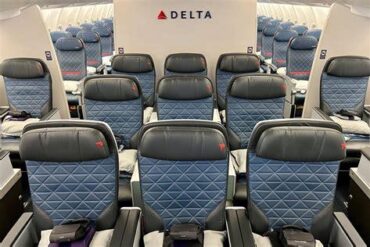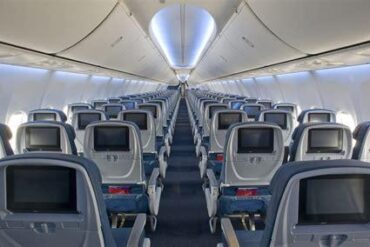
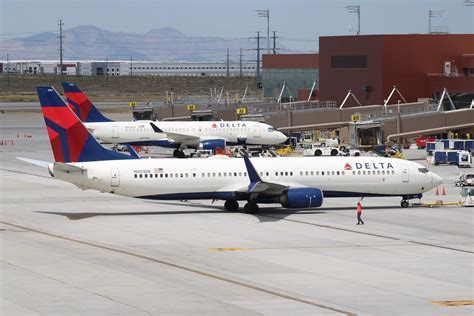
Delta Air Lines is undergoing a strategic transformation in its fare classification system, signaling a deliberate shift in how the airline wants to present its product offerings. Effective for travel on or after October 1, the long-standing and often polarizing Basic Economy fare will be retired in name, though not entirely in function. Instead, it will be absorbed into a newly unveiled and tiered economy product known as Delta Main, a move aimed at providing clearer segmentation and increased transparency for travelers.
This reorganization of fare classes reflects a broader industry trend of redefining passenger experiences through nomenclature and packaging, rather than drastically altering core services. Delta’s rebranding is designed not just to streamline its offerings but also to align them more closely with modern expectations around choice, flexibility, and value.
Delta Main: A Tiered Redefinition of Economy Travel
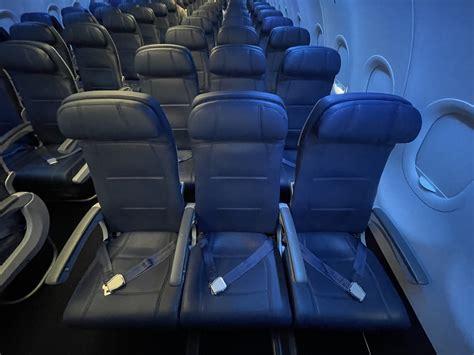
The heart of this overhaul is the new Delta Main category, which will replace the former Main Cabin designation and subsume Basic Economy into its foundational level. Delta Main will consist of three fare levels: Basic, Classic, and Extra, each tailored to different passenger priorities in terms of cost, convenience, and flexibility.
Delta Main Basic becomes the new name for what was previously Basic Economy. The offering retains its fundamental restrictions: no advance seat selection, boarding in the final group (Zone 8), and limited flexibility for changes or cancellations. Despite the rename, travelers should be under no illusion—this tier still reflects a no-frills experience intended for price-sensitive flyers.
Delta Main Classic raises the bar with enhanced benefits, including advance seat selection, no cancellation fees, and same-day standby eligibility. This mid-tier option closely mirrors what was previously understood as the standard Main Cabin experience, now under a clearer label that reinforces its mainstream value proposition.
Delta Main Extra, the highest of the three Delta Main levels, introduces a premium twist within the economy segment. It features even earlier boarding priority, same-day confirmed flight changes at no charge, a higher mileage accrual rate, and full refundability. Essentially, Extra bridges the gap between economy and premium classes for passengers seeking a flexible, more privileged travel experience without crossing into premium cabin pricing.
Premium Tiers Get a Makeover Too—In Name Only
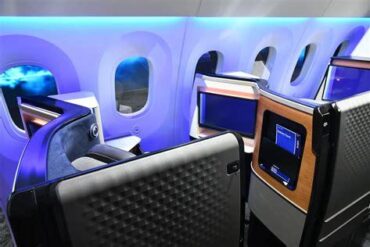
In addition to reshaping its economy fare structure, Delta is also rebranding its upper-tier products, albeit with no change in service offerings or amenities. The renamed categories are primarily cosmetic, aimed at unifying the fare naming architecture and reducing confusion during the booking process.
- Delta Comfort+ is now simply Delta Comfort. The experience—featuring extra legroom and priority boarding—remains unchanged.
- First Class becomes Delta First, aligning more clearly with brand naming conventions.
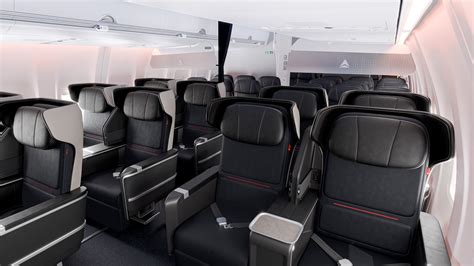
- Premium Select and Delta One, the airline’s premium economy and business class products respectively, will retain their names. Their continued differentiation lies in the international and transcontinental routes they typically serve.
Strategic Clarity Over Tactical Confusion
According to Eric Phillips, Delta’s Senior Vice President and Chief Digital Officer, the restructuring is rooted in a deep analysis of customer expectations. “As we listen and learn about what our customers want when it comes to their travel, we know that clarity and choice are paramount,” Phillips stated in an official release. This emphasis on “clarity”—a term repeatedly stressed—signals a shift from opaque fare rules to a more consumer-centric presentation of options.
The decision to retain the functional aspects of each fare class while changing their names suggests Delta is choosing to improve perception and usability, rather than executing a dramatic overhaul of its product line. The move acknowledges the psychological impact of labels in consumer decision-making, especially in travel, where the smallest language tweaks can heavily influence booking behavior.

From Fare Buckets to Experience Options: What It Means for Flyers
With this renaming initiative, Delta introduces a new concept of “experience options”—a marketing term that seeks to associate each ticket type with a defined level of service and expectation. This isn’t simply semantics. It’s an effort to flatten the learning curve for occasional travelers while giving loyal customers a more intuitive way to differentiate between offers.
Each fare type is now more tightly bound to a promise of benefits, which are broken down as follows:
- Classic fares (available across Delta Main, Delta Comfort, Delta First, etc.) include essentials like seat selection, no-fee cancellations, and same-day standby access.
- Extra fares add value with same-day confirmed changes, increased mileage accrual, early boarding, and, crucially, full refundability.
These updated categories aim to make the fare selection process more transparent, while simultaneously encouraging upsell opportunities by showing clear value differentiation.
Competitive Implications: A Tactical Response to Market Pressures
Delta’s decision to eliminate the Basic Economy label may also be interpreted as a tactical response to growing dissatisfaction with ultra-restrictive ticketing structures, which have increasingly drawn consumer backlash and negative press. While the underlying policies of Delta Main Basic remain largely unchanged, the renaming effort softens the image associated with deeply discounted fares.
This could offer strategic advantage in a fiercely competitive domestic market, where United Airlines, American Airlines, and low-cost carriers like Spirit and Frontier continue to compete on both price and perception. By reframing its entry-level fare without discarding the product, Delta positions itself as more customer-focused and value-aligned, without compromising revenue per seat.
Customer Reactions and Booking Behavior Forecasts
While the new structure introduces cleaner labels, the onus will still be on Delta to educate its customers effectively. Early feedback indicates that frequent flyers appreciate the clarity, particularly the delineation between refundable and non-refundable fares. However, some travelers express skepticism over what they perceive as a cosmetic rebranding rather than a true customer value enhancement.
Industry analysts forecast that the more transparent structure will likely improve booking confidence, especially among less frequent travelers who have historically been confused by complex fare rules and hidden restrictions. Moreover, travel advisors and corporate booking platforms may find it easier to communicate fare differences, potentially boosting conversion rates for higher-yield ticket types.
Final Boarding Call: Delta’s Strategic Fare Realignment
Delta Air Lines’ decision to phase out the Basic Economy name while retaining its function under a more palatable Delta Main Basic title is a calculated evolution in fare marketing. By doing so, the airline modernizes its fare presentation in a way that aligns with current expectations around personalized travel experiences and transparent pricing.
As the airline industry continues to recover and evolve, Delta’s approach demonstrates that product refinement does not always require service overhaul—sometimes, it only needs a better narrative. With its updated fare structure, Delta not only repositions itself as a more intuitive choice for consumers but also subtly nudges travelers toward higher-margin products, all while claiming the mantle of clarity, flexibility, and choice.