Delta Air Lines has long prided itself on operational efficiency, customer loyalty, and polished branding. However, with the emergence of Basic Main, a rebranded yet barely refined version of Basic Economy, it becomes clear that image often masks exploitation. This fare class, deceptively sandwiched into the “Main Cabin” offering, reveals a strategy not of transparency or affordability, but of obfuscation and digital sleight-of-hand.
The Rebranding Illusion: Basic Economy in a Fancy Hat
The rollout of Basic Main attempts to bundle Basic Economy fares into Delta’s broader “Main Cabin” category, likely to influence search engine pricing filters and corporate travel portals. What seems like a generous inclusion is, in truth, a crafty redirect. Corporate policies—particularly those governed by tools like AmEx Global Business Travel—force employees to select the lowest listed fare, often landing them in Basic Main.
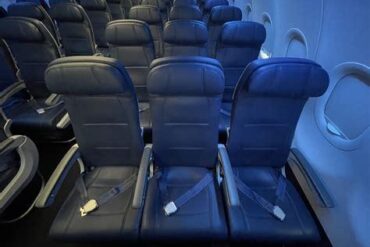
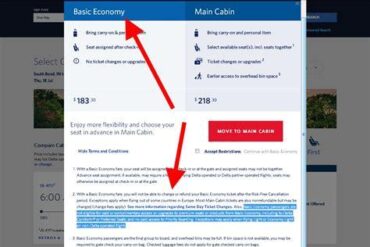
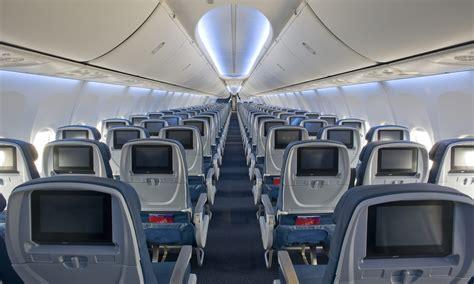
This maneuver doesn’t serve the traveler; it serves Delta’s revenue optimization. While the fare class is technically Main Cabin, the experience is stripped bare of value. From the inability to select seats in advance to last-group boarding and severe restrictions on changes, Basic Main is designed to mislead rather than inform.
The Graphics Debacle: A Lesson in Poor Communication
One of the most egregious elements of Delta’s Basic Main rollout lies in the promotional infographic—a cluster of ? symbols used so inconsistently that it renders the entire message self-contradictory. Take, for instance, “? Board in Zone 8.” Does this mean you cannot board in Zone 8 or that you do board in Zone 8 but it’s simply not a privilege? Frequent flyers, travel bloggers, and casual customers alike are baffled.
Copy editors seem to be an afterthought. Items like “❌ Seats Assigned After Check-In” should logically read “? Select Seats in Advance.” This isn’t nitpicking—it’s a fundamental failure of UX design that confuses travelers at a critical moment in their decision-making.

Inconsistent Symbolism: The Semiotics of Mistrust
Delta’s use of symbols borders on the satirical. Some elements receive a warning ⚠️ symbol, others a strike-through ❌, and yet others a red ?. Are these meant to convey danger, restriction, or mere inconvenience? No one knows. The result is a visual language that undermines its own purpose.
Astonishingly, one satirical user defended the chaos with a hyperbolic tale of a passenger sprinting down a jetbridge, hurling carry-ons into the air, and fighting off others to secure overhead bin space—all because they boarded last and were denied storage.
This narrative, while humorous, underscores a serious point: confusing UX has real-world consequences. Passengers don’t just miss out on preferred seats or upgrades—they feel duped. And that’s not just a branding failure; it’s a betrayal of consumer trust.
Boarding Order and the War for Overhead Space
Delta’s Zone 8 boarding slot for Basic Main passengers is more than an inconvenience—it’s a tactical disadvantage. With overhead bin space already at a premium, these travelers are effectively set up to fail. By the time Zone 8 is called, cabin space has evaporated. A growing number of complaints highlight the stress and confusion this creates, especially when there are no clear policy statements in-app or at booking.
And when the infographic reads “? Board in Zone 8,” it introduces a double negative that further fuels confusion. Does this mean they don’t board in Zone 8—or that they can’t board earlier than Zone 8? Ambiguity here isn’t harmless; it’s strategically disorienting.
Mile Earning and Upgrade Myths: Lies by Omission
Another layer of deception arises from the illusory benefits claimed in Delta’s promotional materials. Basic Main passengers are told they can “earn miles” and are “eligible for upgrades”—yet seasoned travelers know these claims are, at best, intellectually dishonest.
Delta eliminated mileage accrual for Basic Economy years ago. Yet the graphic suggests otherwise, sparking online debates and user confusion. Meanwhile, upgrade eligibility is technically correct—but practically meaningless. With a sea of elite-status flyers ahead, Basic Main passengers are rarely, if ever, cleared for upgrades, making the eligibility point a red herring.
A Fare That Says: “You’re Not Welcome Here”
The sentiment among frequent flyers is unambiguous: Basic Main is a cold shoulder disguised as a warm hug. One user quipped that the fare class exists solely to say “go f*** off,” with the fine print merely decorating the message. Another invoked Titanic imagery—suggesting that Delta would only notify your next of kin about the flight benefits once your plane has disappeared.
These are not random internet jabs. They reflect a deep-seated frustration with corporate gaslighting masquerading as fare innovation. Basic Main isn’t a budget option—it’s a customer hostility package.
The Platform Syndrome: A Satirical Hierarchy in the Skies
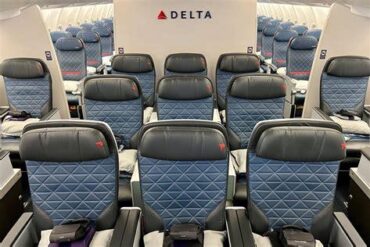
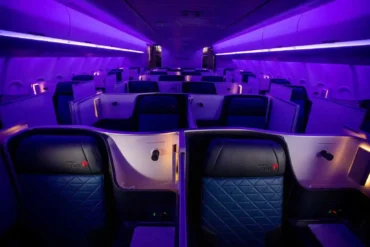
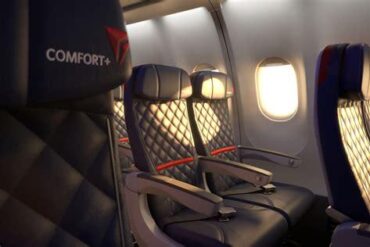
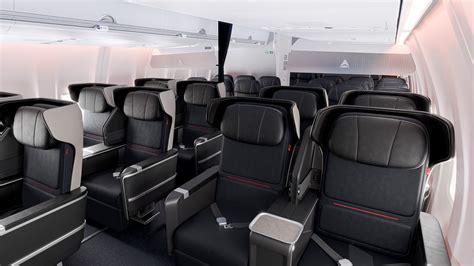
In a particularly biting critique, one flyer compared Delta’s cabin layout to “The Platform,” the Spanish dystopian thriller. Premium passengers, “smug and clean,” sneer from above while Basic Main passengers—the “unwashed”—trudge to the rear lavatories, dodging the judgmental glares.
This metaphor, while exaggerated, reflects the emotional architecture of the Delta experience. It’s not merely about seat size or boarding zones—it’s about status theatrics, where every visual and verbal cue reinforces who belongs and who doesn’t.
The Corporate Trap: Why You Might Have No Choice
For many business travelers, Basic Main isn’t a choice—it’s a mandate. Internal compliance systems default to lowest-fare options. And when those fares are labeled as Main Cabin, but function as Basic Economy, employees are caught in a bureaucratic bear trap.
This subtle manipulation ensures higher revenue for Delta while preserving plausible deniability. The airline didn’t technically force anyone into Basic Economy. But it ensured that systems designed to optimize cost would do so at the traveler’s expense.
Death by Fine Print: The Long Con of Hidden Penalties
Change fees, cancellation barriers, lounge denials, and seat restrictions—all buried in walls of legalese—make Basic Main a masterclass in the fine print con. Even seasoned travelers find themselves paying $99 to change a nonrefundable ticket they thought was flexible. Others miss out on lounge access due to obscure fare codes. In short, Delta weaponizes the opacity of its own policies.
Conclusion: A Fare Class Designed to Deceive
Delta’s Basic Main is not a budget-friendly alternative, nor is it a stripped-down but honest product. It is a systematic exercise in passenger confusion, designed to mislead booking systems, corporate compliance engines, and the end traveler. With opaque messaging, misleading graphics, and restrictive policies cloaked in familiar branding, Basic Main isn’t just a bad product—it’s a cynical manipulation of trust.
Passengers deserve clarity, not gamesmanship. Until Delta acknowledges and rectifies these issues, Basic Main will remain the industry’s most elaborate inside joke—one that no one finds funny except the accountants.