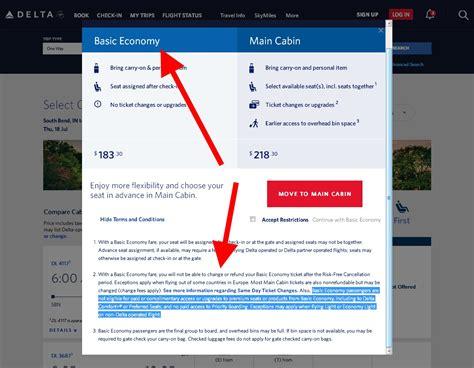
Flying has evolved dramatically over the past decade, and one of the most significant shifts has been the rise of basic economy fares—stripped-down tickets that promise savings in exchange for severe limitations. Among all major U.S. airlines, Delta Air Lines stands out for how aggressively it has segmented its fare classes. Its “Main Basic” option, known colloquially as Basic Economy, offers just the essentials: a seat on the plane and a carry-on. But what do you sacrifice for that lower fare—and is it worth it?
The Origins and Intent Behind Delta Basic Economy
When Delta launched Basic Economy in 2012, it wasn’t just trying to lower prices. The true motive was to compete with ultra-low-cost carriers like Spirit, Frontier, and Allegiant. These airlines lured budget-conscious flyers with rock-bottom fares and sold every other convenience separately. Delta’s strategy was clear: lure the price-sensitive traveler while pushing most others to “buy up” to avoid the harsh restrictions Basic Economy imposes.
But this wasn’t just a competitive response. It was a calculated revenue-management tool—a way to segment passengers based on willingness to pay and travel behavior. And given the sheer complexity of airline profitability, getting a passenger onboard, even at a low upfront fare, could still pay off if they later engaged with Delta’s credit cards, SkyMiles program, or paid seat upgrades.
What Delta Basic Economy Includes (and What It Doesn’t)
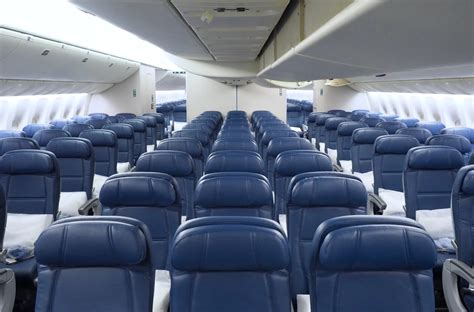
At first glance, Delta’s Basic Economy might look like a good deal. Travelers still receive standard onboard amenities, such as free non-alcoholic beverages, snacks, and Wi-Fi for SkyMiles members. Passengers can also bring a full-size carry-on bag and a personal item, which sets Delta apart from United’s more restrictive Basic Economy. The fare is also available on domestic and international routes, and even award tickets can be issued in Basic Economy—an unusual move among legacy carriers.
But beyond those basics, the list of restrictions is long, deliberate, and designed to dissuade loyalty travelers.
No SkyMiles or Medallion Elite Earnings—At All
Unlike American or Alaska, Delta’s Basic Economy offers zero mileage earning. No redeemable SkyMiles. No Medallion Qualifying Dollars (MQDs). No Medallion Qualifying Segments (MQSs). Even if you paid hundreds of dollars for the ticket, that money earns you nothing toward elite status. The SkyMiles program treats Basic Economy as though it doesn’t exist.
This exclusion creates a strong disincentive for frequent flyers, especially those chasing elite status. It also strips away one of the airline’s strongest tools for fostering brand loyalty.
Seat Assignments Are Random and Last-Minute
When you book Basic Economy, you’re surrendering control over your seat selection. Assignments are only provided during check-in—up to 24 hours before departure—and you won’t know where you’ll sit until then.
Delta elite members are not exempt from this policy. No early assignment, no free preferred seating. Only in the final days before travel might you have the option to pay for a seat assignment, and even then, it’s a standard economy seat, not Comfort+.
For families, couples, or travelers with special needs, this uncertainty can be stressful. There’s no guarantee you’ll be seated with your party.
Boarding Last Means Overhead Bin Scramble
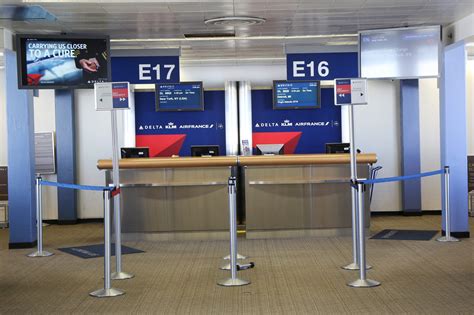
Another big drawback is last group boarding. Even though Basic Economy travelers are allowed carry-on luggage, they board with the final group. By the time you’re on the plane, overhead bins may be full, and your bag might have to be gate-checked.
This issue is partly mitigated if you hold a Delta credit card or have SkyMiles Medallion status, both of which entitle you to priority boarding—even on a Basic Economy ticket. But for everyone else, prepare to hover near the gate and hope for a miracle.
Strict Change and Cancellation Penalties
Delta made headlines when it eliminated change fees on most domestic and short-haul international flights. But that generosity does not apply to Basic Economy.
Changes are permitted now, but they come with stiff fees:
- $99 for domestic or short-haul international tickets
- $199 for long-haul international tickets
For award travel, it’s even more complex. You’ll forfeit:
- 9,900 SkyMiles for domestic or short-haul tickets
- 19,900 SkyMiles for long-haul itineraries
So while it’s technically more flexible than before, Delta still makes sure that modifying a Basic Economy trip is painful and costly.
Forget About Upgrades or Premium Comfort
Basic Economy fares are ineligible for upgrades of any kind. Not only can you not upgrade to First Class or Comfort+, but you also can’t even pay for a better seat. Elite members? Still no. It doesn’t matter if you’re a Diamond Medallion or holding an American Express Delta Reserve card—you are locked into economy.
This is a significant difference compared to some competitors, which allow upgrades (sometimes for a fee) even from their lowest fare classes.
No Lounge Access, Even If You Qualify
Delta’s Sky Club lounges are prized for their calm atmosphere, Wi-Fi, and refreshments. Access is granted through various channels—elite status, premium cabin tickets, credit cards—but Basic Economy overrides them all. No Sky Club access, no exceptions.
This policy reflects Delta’s desire to keep Basic Economy isolated from its premium customer ecosystem. The message is clear: fly Basic, and you’re on your own.
So, Is It Worth It?
The answer depends on your priorities. If you’re a casual traveler—no elite status, fixed plans, traveling solo or light—then Basic Economy can be a money-saving choice. But for frequent flyers, the cost of those savings adds up quickly.
A Main Cabin fare might cost $30–50 more one-way. For that, you get:
- Mileage and elite qualification
- Seat selection
- Better boarding position
- Upgrade eligibility
- Lounge access (if otherwise entitled)
That’s often a justifiable upgrade, especially on longer or more strategic itineraries. Basic Economy works best for last-minute, short-haul travel with minimal baggage and zero expectations.
Delta’s Push to Unbundle Premium Cabins
Delta didn’t stop with economy. It’s now experimenting with Comfort Basic, an unbundled version of Comfort+ with extra legroom but reduced perks. This new fare class offers limited mileage earning, indicating that the same Basic Economy philosophy is creeping into higher cabins.
Next on the horizon? Unbundled First and Business Class. Delta has hinted at this direction, and other international carriers have already paved the way. Qatar Airways and Emirates, for instance, now offer stripped-down business fares with fewer lounge privileges or bag allowances.
Delta’s ultimate goal is to sell every seat at a profit, without sacrificing yield from full-fare customers. Segmentation is the tool, and unbundling—whether in the back or front of the plane—is the method.
Final Verdict: Know Before You Book
Delta Basic Economy is a well-defined product built to maximize profit and limit expectations. It’s not a trap—but it is a test of your priorities. If you’re willing to forego miles, flexibility, comfort, and convenience, you might walk away with a solid deal.
But if you value elite benefits, seating choice, lounge access, or flexibility, even a modest fare increase can be worth every penny. More importantly, Delta’s Basic Economy fares underscore a wider trend: the erosion of bundled value in favor of tightly controlled fare segmentation.
As Delta leads the charge into this new age of commercial aviation, travelers must read the fine print and decide what really matters in their journey. Because more than ever, the cheapest ticket is rarely the simplest.