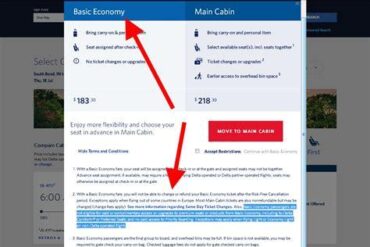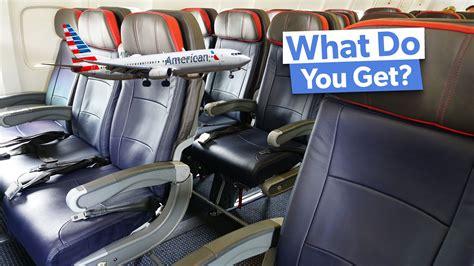
For years, American Airlines managed to strike a delicate balance between budget pricing and loyalty rewards. Travelers who purchased Basic Economy tickets accepted restrictions like limited flexibility and tighter boarding policies, yet elite frequent flyers still retained enough perks to make those fares worthwhile. That balance has now collapsed.
In 2026, American Airlines is aggressively redefining what Basic Economy means, and the consequences reach far beyond casual travelers hunting for the cheapest fare. The airline’s latest policies now directly impact some of its most loyal customers, including Executive Platinum members and elite flyers from partner airlines across the oneworld alliance. The message is unmistakable: cheap fares and premium treatment are no longer compatible.
The shift marks one of the most dramatic loyalty-policy changes seen among major US airlines in recent years. While airlines have steadily chipped away at perks across the industry, American Airlines previously stood apart by allowing elites to preserve meaningful benefits even on its cheapest tickets. That era is ending quickly, and the fallout is forcing frequent flyers to rethink the entire value of airline loyalty.
The timing is particularly significant because airlines are earning increasing revenue from ancillary fees rather than simply selling seats. Seat assignments, boarding priority, upgrades, loyalty programs, and branded credit cards now generate billions annually. American Airlines’ Basic Economy crackdown is not merely about restricting cheap fares. It is part of a larger strategy designed to maximize revenue from every passenger segment while pushing travelers toward more expensive fare categories.
After years of relatively flexible treatment for elite members, the airline has now transformed Basic Economy into a deliberately restrictive product that strips away many of the benefits travelers once associated with loyalty status.
American Airlines Eliminated Mileage Earnings on Basic Economy Tickets
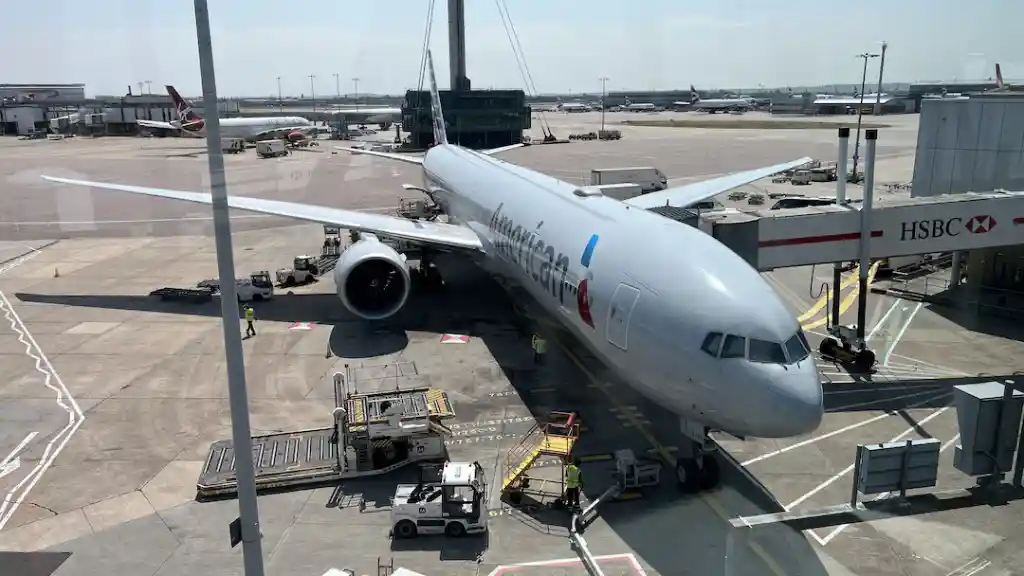
The first major shock arrived in December 2025 when American Airlines completely removed mileage earning from Basic Economy fares. Passengers flying on these tickets now receive zero redeemable AAdvantage miles, zero Loyalty Points, and no progress toward elite qualification.
That single decision fundamentally altered the economics of flying American Airlines for many customers.
Previously, even travelers booking the cheapest fares could still accumulate some long-term value from frequent flying. A traveler making weekly domestic work trips might tolerate tighter restrictions because every flight still contributed toward maintaining elite status. Even modest mileage earnings helped justify remaining loyal to the airline.
Now, Basic Economy travelers receive nothing beyond transportation from one destination to another.
The impact is especially severe because the AAdvantage program has increasingly shifted toward Loyalty Points as the foundation for status qualification. Since Loyalty Points can be earned through flights, shopping portals, hotel partnerships, and co-branded credit card spending, every qualifying flight previously represented part of a larger ecosystem. By removing Loyalty Point earning entirely from Basic Economy tickets, American Airlines effectively disconnected those fares from its loyalty program altogether.
That decision creates a psychological divide as much as a financial one. Frequent flyers no longer feel like they are participating in the airline’s ecosystem when booking Basic Economy. Instead, they are treated more like transactional passengers whose relationship with the airline begins and ends with the flight itself.
For travelers accustomed to maximizing value from every trip, the change feels particularly harsh. Many longtime AAdvantage members viewed mileage earning as the minimum reward for maintaining loyalty, even when purchasing cheaper fares. Eliminating that benefit signaled that American Airlines was willing to sacrifice goodwill among budget-conscious loyalists in exchange for stronger fare segmentation.
Elite Frequent Flyers Are Losing Core Benefits
The second phase of the crackdown proved even more controversial because it directly targeted elite status perks.
Beginning in May 2026, American Airlines removed complimentary advance seat selection and upgrade eligibility for elite passengers traveling on Basic Economy tickets. This includes everyone from mid-tier Platinum members to the airline’s highest-ranking Executive Platinum flyers.
The loss of seat selection may sound minor at first glance, but frequent travelers understand how important that benefit truly is. Elite members often rely on complimentary access to preferred seating or Main Cabin Extra seats to make constant travel more comfortable. Those perks once represented tangible rewards for years of loyalty and thousands of dollars in annual spending.
Now, even top-tier passengers flying Basic Economy must either pay additional seat fees or wait until check-in for random assignments.
On many routes, especially longer domestic flights, those fees can add up rapidly. Preferred seat charges frequently range between $15 and $75 per segment depending on demand and aircraft type. For families or business travelers taking multiple trips per month, the total cost can quickly erase any savings gained from purchasing Basic Economy in the first place.
The elimination of upgrade eligibility may be even more damaging to customer perception.
Complimentary domestic upgrades have long served as one of the defining benefits of elite status within US airline loyalty programs. Executive Platinum members in particular often viewed upgrades as the primary reward for maintaining loyalty to American Airlines over competitors.
Under the new rules, that benefit disappears entirely on Basic Economy fares.
It no longer matters whether premium cabin seats remain empty. It no longer matters how high a passenger ranks within the loyalty hierarchy. Basic Economy passengers are simply excluded from the upgrade process altogether.
That hard separation creates an entirely different relationship between loyalty and pricing. In the past, elite status softened the harshest aspects of Basic Economy. In 2026, American Airlines is intentionally preventing status from bypassing fare restrictions.
Systemwide Upgrades Have Also Been Restricted
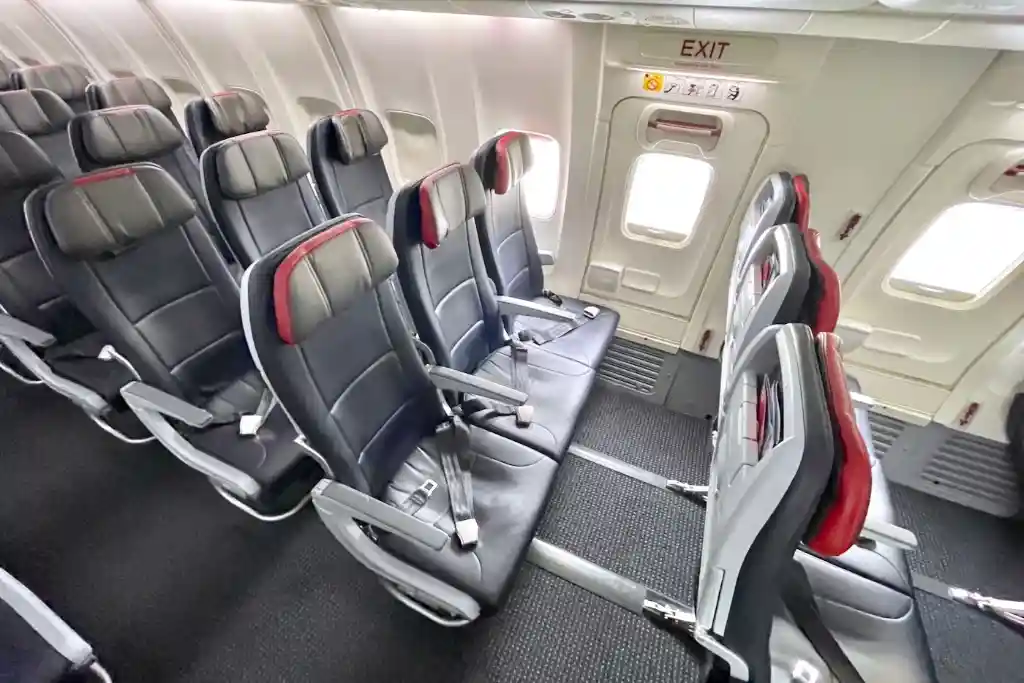
Among frequent international travelers, one of the most painful changes involves Systemwide Upgrades.
These certificates are widely considered one of the most valuable benefits offered to Executive Platinum members. Traditionally, travelers could apply them to eligible economy tickets to confirm upgrades into premium cabins on long-haul international routes.
For many loyal customers, Systemwide Upgrades represented the crown jewel of the AAdvantage program.
That flexibility is now gone on Basic Economy fares.
Even American Airlines’ highest-value customers can no longer use Systemwide Upgrades on these tickets under any circumstances. The restriction dramatically reduces the appeal of buying discounted long-haul fares, particularly for business travelers accustomed to strategically combining cheaper tickets with elite benefits.
The emotional impact matters almost as much as the practical limitation.
Frequent flyers spend years building status partly because they expect flexibility and recognition. When even top-tier elites are told that their upgrade certificates are worthless on certain tickets, the airline sends a clear message about hierarchy: fare class now matters more than loyalty.
That marks a philosophical shift in how American Airlines views elite treatment.
oneworld Alliance Elites Are No Longer Protected
The policy changes extend beyond American Airlines’ own loyalty members. Elite travelers from partner airlines within the oneworld alliance are also affected.
That includes frequent flyers from carriers such as:
- Qantas
- Cathay Pacific
- Qatar Airways
- Japan Airlines
- British Airways
- Finnair
Historically, alliance reciprocity formed one of the biggest advantages of global airline partnerships. Travelers flying internationally expected consistent elite recognition across member airlines, even when purchasing lower fare categories.
A Qantas Gold member flying domestically within the United States on American Airlines could previously expect preferred seating access, smoother boarding, and potential upgrade consideration depending on status reciprocity rules.
Those expectations are now increasingly unreliable on Basic Economy tickets.
The changes may create confusion for international travelers unfamiliar with American Airlines’ evolving fare restrictions. Many passengers reasonably assume that elite status guarantees at least a baseline level of treatment regardless of ticket price.
American Airlines is now challenging that assumption directly.
The airline appears determined to position Basic Economy as a completely separate product category with rigid limitations that override traditional loyalty benefits. From a corporate standpoint, the strategy simplifies fare segmentation. From a customer standpoint, it weakens the perceived value of alliance partnerships.
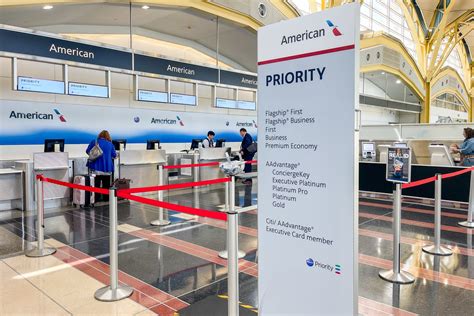
American Airlines Is Following Delta’s Playbook
For years, American Airlines maintained one of the more generous Basic Economy products among major US carriers. Those distinctions are fading rapidly.
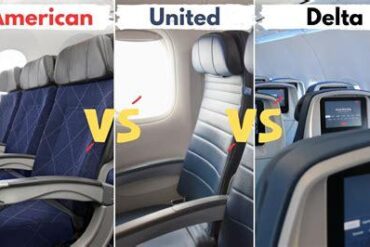
The airline’s current direction mirrors strategies long embraced by Delta Air Lines, which historically imposed stricter restrictions on its lowest fares. Delta has often limited mileage earning on Basic Economy tickets while aggressively separating cheap fares from premium benefits.
American Airlines is now moving toward the same model.
United Airlines currently stands somewhat apart because it still awards reduced mileage credit on Basic Economy tickets. However, United imposes harsher carry-on baggage restrictions for many travelers, particularly those without elite status or co-branded credit cards.
American Airlines still preserves one comparatively customer-friendly feature: domestic Basic Economy passengers may bring a full-size carry-on bag without additional qualification requirements.
That benefit matters more than many travelers realize.
Carry-on restrictions can significantly increase travel stress, especially for short domestic trips. By maintaining this policy, American Airlines avoids some of the customer backlash experienced by United in earlier years.
Still, the broader industry trend is unmistakable. Airlines are steadily normalizing highly restrictive fare products designed to create maximum upselling opportunities.
Basic Economy increasingly functions less like a simple discount ticket and more like a pressure tactic intended to push customers toward higher fares.
The Airline’s Revenue Strategy Is Becoming Clearer
From a business perspective, American Airlines’ strategy makes perfect financial sense.
Airlines no longer rely solely on airfare revenue to drive profitability. Modern carriers generate enormous income from ancillary products including seat fees, boarding priority, upgrades, baggage charges, loyalty programs, and credit card partnerships.
Basic Economy serves as a carefully engineered pricing tool within that ecosystem.
The fare exists partly to advertise low headline prices while encouraging travelers to spend slightly more for a less restrictive experience. By removing elite perks from Basic Economy, American Airlines intensifies that pressure dramatically.
Consider the psychology involved.
A traveler comparing a $179 Basic Economy ticket against a $229 Main Cabin fare may initially choose the cheaper option. However, once seat selection fees, lost mileage earning, reduced boarding priority, and upgrade ineligibility enter the equation, the higher fare begins to appear far more attractive.
That calculation becomes even stronger for elite members.
A Platinum Pro traveler who once tolerated Basic Economy because upgrades remained possible may now decide that paying extra for Main Cabin is the only rational choice. American Airlines does not need every customer to avoid Basic Economy. It simply needs enough travelers to trade up for the strategy to produce additional revenue.
The airline is also reportedly planning further restrictions later in 2026. Non-elite AAdvantage members without co-branded credit cards may soon board in Group Seven instead of Group Six when flying Basic Economy.
That seemingly minor adjustment could significantly reduce overhead bin availability on crowded flights, further increasing pressure to purchase higher fares.
Frequent Flyers Are Being Forced to Reevaluate Loyalty
For longtime American Airlines customers, these changes are reshaping booking behavior in real time.
Frequent flyers who once booked Basic Economy confidently because elite benefits softened the experience now face an entirely different value proposition. The old strategy of combining cheap fares with premium status treatment no longer works.
Business travelers may feel the impact most sharply.
Many road warriors spend dozens of nights per year away from home, enduring constant airport delays, cramped cabins, and exhausting schedules partly because elite perks improve the experience. Upgrades, preferred seating, priority boarding, and loyalty rewards help justify that lifestyle.
When those benefits disappear on cheaper fares, the emotional connection between traveler and airline weakens.
Families are also likely to reconsider Basic Economy more carefully. Random seat assignments can create major headaches for parents traveling with children, while repeated seat selection fees quickly erase advertised savings.
Some travelers will still purchase Basic Economy regardless of restrictions because price remains the dominant factor in many booking decisions. American Airlines fully understands this reality.
But the airline is clearly targeting a different outcome: encouraging more travelers to pay incremental fare increases for Main Cabin tickets.
That strategy may succeed financially, but it risks alienating customers who spent years believing loyalty still carried meaningful weight.
American Airlines Has Redefined What Loyalty Means
The deeper significance of these changes extends beyond seat assignments and upgrade rules.
American Airlines is redefining the relationship between loyalty and fare class itself.
For decades, elite status functioned as a kind of equalizer within airline ecosystems. Loyal travelers accepted high annual spending and frequent flying because status unlocked privileges that transcended individual ticket purchases.
That philosophy is fading.
In 2026, American Airlines is signaling that fare class now outranks loyalty status in determining the passenger experience. Even top-tier elites are no longer insulated from the harshest restrictions attached to Basic Economy.
The result is a more segmented airline experience where budget travelers, occasional flyers, and elite members are increasingly separated by what they pay rather than how loyal they have been.
For American Airlines, the strategy may deliver stronger short-term revenue and clearer fare differentiation. For passengers, however, the changes represent something larger: the continuing erosion of the traditional frequent flyer bargain.
Basic Economy was once a compromise. Travelers sacrificed flexibility but still retained enough loyalty value to justify the trade-off.
Now, the compromise is disappearing.
American Airlines has transformed Basic Economy into a deliberately punitive product, and even its most loyal passengers are no longer exempt from the consequences.