Basic Economy was originally designed as a simple pricing tool: give travelers a cheaper entry point while charging extra for flexibility, seat selection, and additional services. However, by 2026, the product has evolved into something far more complicated, especially for frequent flyers who have invested years building elite status with Delta Air Lines, American Airlines, and United Airlines.
For occasional travelers, saving $50 or $100 on a ticket may appear logical. For elite members, however, the calculation is completely different. The value of airline status is built around benefits such as mileage earnings, upgrade access, priority treatment, flexibility, and a smoother airport experience. A Basic Economy ticket can quietly remove many of the advantages that justify holding elite status in the first place.
The modern airline loyalty ecosystem has changed dramatically. The major U.S. carriers increasingly view Basic Economy as a product designed for price-sensitive passengers rather than their most loyal customers. While elite members may still receive some limited benefits, the restrictions attached to these fares can create long-term financial losses that exceed the initial ticket savings.
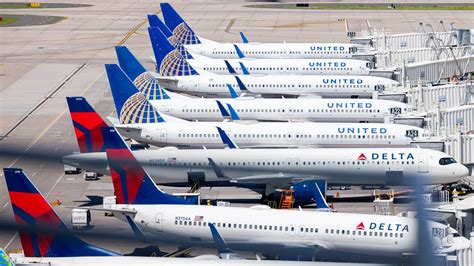
The Hidden Cost of Basic Economy for Airline Elite Members in 2026
The biggest mistake frequent flyers make is evaluating Basic Economy only by the ticket price displayed during booking. A fare that appears $75 cheaper may actually cost hundreds of dollars in lost loyalty value, reduced flexibility, and missed opportunities.
For non-elite travelers, the difference between Basic Economy and Main Cabin may simply involve choosing a seat later or accepting fewer options. For elite travelers, the consequences are much larger because these passengers are normally accustomed to a premium travel experience built around their status.
A top-tier member of a major airline loyalty program is not simply buying transportation from one airport to another. They are participating in an ecosystem where every flight contributes toward future benefits. When a Basic Economy ticket stops generating meaningful loyalty progress, the traveler is effectively sacrificing part of their long-term investment.
Airlines understand this behavior very well. Over the past several years, carriers have aggressively separated their products into different fare categories, encouraging passengers to pay more for the experience they previously received automatically. The strategy increases airline revenue while making the lowest fare option increasingly unattractive for frequent flyers.
For elite travelers, Basic Economy is no longer just a cheaper seat. It is often a reduced version of the airline relationship they worked hard to build.
Why American Airlines AAdvantage Elites Should Avoid Basic Economy
Among the major U.S. carriers, American Airlines has introduced one of the most significant changes affecting frequent flyers. The airline has moved toward removing the connection between Basic Economy fares and its loyalty program, fundamentally changing the value calculation for AAdvantage members.
For tickets purchased after December 17, 2025, American Airlines Basic Economy fares no longer provide AAdvantage miles or Loyalty Points. Previously, these fares still allowed travelers to earn a limited amount of loyalty currency, meaning frequent flyers could slowly progress toward elite status even when choosing cheaper tickets.
That option has disappeared.
For an occasional traveler, losing a small number of miles may not matter. For an AAdvantage elite member flying dozens of segments annually, the impact can become significant. A business traveler completing multiple domestic trips or international journeys could lose thousands of Loyalty Points over the course of a year.
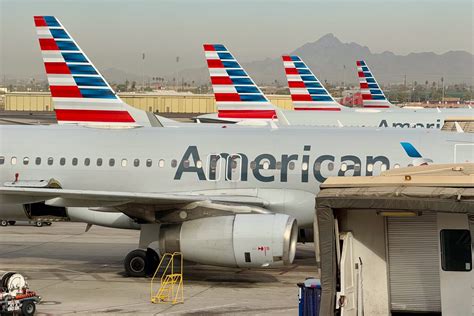
The problem is especially serious because American Airlines uses Loyalty Points as the foundation of its elite qualification system. Every dollar spent through eligible activities contributes toward status levels, including AAdvantage Gold, Platinum, and Executive Platinum.
A frequent flyer who chooses Basic Economy repeatedly may unknowingly slow down or completely derail their annual qualification strategy.
The short-term savings become difficult to justify when compared with the long-term value of elite status. Losing status can mean losing priority boarding, complimentary upgrades, preferred seats, and valuable travel protections for an entire year.
Although American Airlines still provides some elite-related airport benefits on Basic Economy tickets, the missing loyalty earnings create an uncomfortable contradiction. The airline recognizes the passenger as loyal enough to provide some perks but not valuable enough to reward their spending.
For many AAdvantage members, purchasing Main Cabin becomes less about comfort and more about protecting the future value of their loyalty account.
Delta SkyMiles Members Face the Harshest Basic Economy Restrictions
Delta Air Lines has arguably created the most restrictive Basic Economy environment for elite travelers. The airline was one of the first major U.S. carriers to aggressively separate Basic Economy from loyalty benefits, and its policies remain among the strictest in the industry.
Delta Basic Economy fares, commonly identified by the booking class E, provide almost no meaningful contribution toward elite qualification. Travelers receive neither SkyMiles earnings nor Medallion Qualification Dollars from these tickets.
For a regular passenger, this may simply mean fewer rewards. For a Medallion member, it means an entire flight segment can become almost invisible inside the airline’s loyalty system.
The operational restrictions are even more painful.
Delta elite members normally enjoy some of the strongest benefits among U.S. airlines, including complimentary upgrades, preferred seating, and a premium airport experience through Sky Priority. However, Basic Economy removes many of these advantages.
A traveler who has earned Diamond Medallion status after years of flying may suddenly find themselves unable to select a preferred seat before departure. Instead, they must accept whatever seat remains available, including potentially undesirable middle seats.
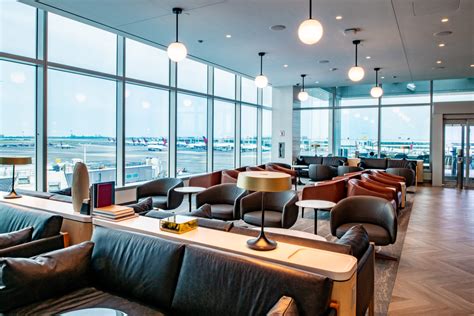
The psychological impact should not be underestimated. Frequent flyers choose an airline partly because they value consistency. They expect that years of loyalty will create a smoother journey. Basic Economy breaks that expectation by placing even the most loyal customers into a restricted experience.
A Diamond Medallion member watching an upgrade list clear while sitting in an unwanted seat represents the exact opposite of what airline loyalty programs are supposed to achieve.
Delta’s strategy works because many premium travelers eventually decide that the small additional cost of Main Cabin is worth restoring their normal experience. The airline has successfully transformed Basic Economy from a budget option into a product that encourages customers to pay more.
United Airlines MileagePlus Elites Face a Different Basic Economy Trap
United Airlines takes a slightly different approach with Basic Economy. Unlike Delta and American, United allows some MileagePlus elites to continue earning certain rewards from these fares. However, the restrictions create another type of problem.
United’s loyalty system depends on multiple qualification measurements, including Premier Qualifying Points (PQP) and Premier Qualifying Flights (PQF). Basic Economy can disrupt this balance by limiting how flights contribute toward status progress.
For frequent travelers who carefully plan their annual qualification strategy, losing flight segment credit can become a major obstacle. A traveler may spend thousands of dollars with United but still find their progress toward the next elite tier slowed because their cheapest tickets do not count in the same way.
The restrictions extend beyond loyalty earnings.
United has historically applied some of the strongest Basic Economy limitations regarding baggage, seating, and ticket flexibility. While Premier members receive certain exemptions, the overall experience remains significantly different from a standard economy ticket.
The problem becomes even more complicated as airlines expand unbundling into premium cabins. United has explored lower-priced premium products that separate traditionally included benefits from the base fare.
This signals a larger industry trend: Basic Economy is no longer limited to economy passengers. Airlines are increasingly creating multiple versions of the same seat, with different levels of flexibility, services, and privileges.
For elite travelers, this means the habit of carefully avoiding restrictive fares may become increasingly important across every cabin.
International Flights Make Basic Economy Restrictions Even Worse
The disadvantages of Basic Economy become far more obvious on international flights.
A short domestic trip lasting one or two hours may make some restrictions tolerable. A long-haul journey across the Atlantic or Pacific is completely different.
A six-hour, ten-hour, or fifteen-hour flight requires flexibility. Business travelers often need to adjust schedules, change meetings, or modify return dates. A restrictive ticket can turn a small schedule change into a major financial problem.
For elite travelers flying routes such as New York to London, Los Angeles to Tokyo, or San Francisco to Seoul, the value of flexibility increases dramatically. The few hundred dollars saved during booking can disappear instantly if plans change.
International Basic Economy fares often provide fewer options for cancellations, modifications, and upgrades. Some restrictions can prevent travelers from using valuable upgrade instruments or loyalty benefits that would normally improve their journey.
The irony is that the passengers most likely to need flexibility are often the same passengers who consider booking Basic Economy because they assume elite status will protect them.
In reality, elite status is not a universal shield. It provides benefits within the rules established by each airline, and those rules increasingly exclude the lowest fare categories.
The Financial Math: Is Basic Economy Actually Saving Money?
The appeal of Basic Economy is obvious. Airlines display the lower price first, creating an immediate feeling of savings.
However, elite travelers should calculate the total value of the journey rather than the initial ticket cost.
A $150 discount may seem attractive, but the real cost could include:
- Lost loyalty earnings
- Reduced flexibility
- Limited seat control
- Lower upgrade opportunities
- Greater risk during schedule disruptions
For a high-frequency traveler, these costs accumulate quickly.
A business traveler flying several international round trips each year could easily sacrifice thousands of dollars in future travel value by repeatedly choosing Basic Economy.
The decision becomes even more questionable for top-tier elites. A Diamond Medallion, Executive Platinum, or Premier 1K member has already invested significant time and money into earning status. Choosing the most restrictive fare category often works against that investment.
Why Corporate Travelers Should Avoid Automatic Basic Economy Bookings
Corporate travel systems are one of the biggest reasons elite members accidentally end up purchasing Basic Economy.
Many company booking platforms automatically highlight the cheapest available fare. Travel managers may focus on immediate ticket costs without considering the operational consequences of restrictive tickets.
For companies, this can create hidden expenses.
An employee unable to change a flight easily may miss meetings, lose productivity, or require expensive last-minute replacement tickets. The cheapest fare is not always the lowest-cost option.
Elite travelers should review corporate booking policies and request exceptions when necessary. A slightly more expensive Main Cabin ticket can often provide substantially greater value through flexibility and loyalty benefits.
Basic Economy Is Becoming the Future of Airline Unbundling
The rise of Basic Economy represents a broader transformation in commercial aviation. Airlines are increasingly separating every element of the travel experience into individual products.
Seats, bags, flexibility, upgrades, and even premium services are becoming optional purchases.
For casual travelers, this creates more choice. For elite members, it creates a challenge: understanding which benefits are still protected and which disappear at the lowest fare level.
The best strategy in 2026 is not to avoid cheaper tickets entirely. There are situations where Basic Economy may still make sense, especially for simple personal trips with fixed schedules.
However, for Delta, American, and United elites, Basic Economy should almost always be approached with caution.
The small upfront discount rarely matches the long-term value lost through reduced loyalty earnings, limited flexibility, and diminished travel benefits.
For frequent flyers who spend years building airline status, protecting that investment is usually worth far more than saving a few dollars at checkout.