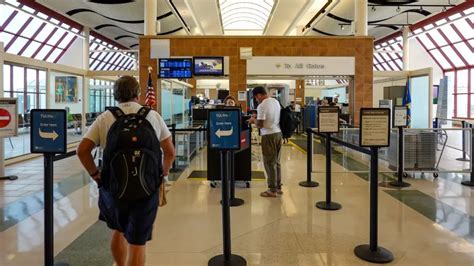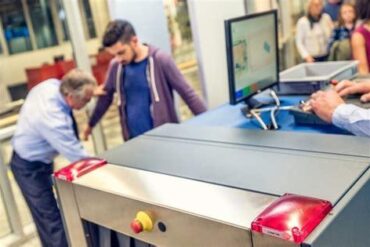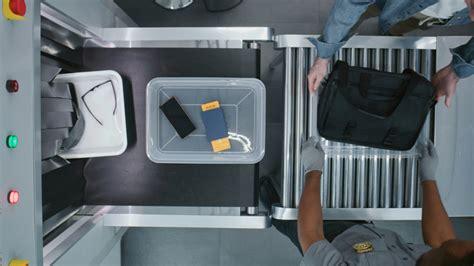
Traveling with high-end gadgets has become an everyday reality, but airports remain one of the riskiest environments for losing your expensive tech. From smartphones and tablets to cameras, smartwatches, and noise-canceling headphones, leaving these items in TSA bins exposes them to a surprising array of hazards. While security screening is mandatory, the process itself introduces vulnerabilities that can easily lead to theft, loss, or damage. Crowded lines, distracted travelers, and the sheer speed of the TSA workflow create opportunities for items to go missing before you even reach your gate.
Airports handle millions of passengers daily, and TSA officers are trained to focus on safety first. Yet, despite their diligence, human error is inevitable. Cases abound where travelers place small electronics in the plastic bins only to discover them missing moments later. Sometimes, items are accidentally left behind, while in more concerning scenarios, these bins become prime targets for opportunistic thieves. Small devices that can slip into a pocket or bag without detection are particularly at risk, leaving travelers with the bitter experience of realizing that their carefully packed gadgets have vanished.
Adding to the complexity, some travelers assume that removing electronics is simply a procedural necessity and not a security risk. But the reality is far more precarious. Every moment a device sits unattended in a TSA bin is a window of opportunity for theft. Even high-traffic airports with advanced monitoring can’t completely prevent opportunistic grabs, especially when bins are moved, stacked, or temporarily left in transitional zones. Photographs of gadgets, meticulous organization, and constant vigilance are some of the few proactive measures you can take to mitigate these risks.
How to Protect Your Expensive Tech During Airport Screening
The first step to safeguarding electronics is to minimize the need to remove them from your bag whenever possible. TSA instructions sometimes require laptops and larger devices to be taken out for X-ray screening, but smaller electronics often don’t require this step. Utilizing a zipped or lockable carry-on can create an additional physical barrier that discourages theft and reduces accidental loss. For loose items, a small electronics pouch or organizer keeps gadgets contained and easily manageable, lowering the chance of dropping or misplacing them during the screening process.
Timing and positioning are just as crucial. Move bins through the scanner carefully and always wait until the bin has fully passed through before following it. Keeping your bins together allows you to maintain visual contact with every item, reducing the chance that something gets left behind. During peak travel periods, vigilance is essential; crowded lanes mean that a momentary distraction could result in your device being taken unnoticed. Specialized travel backpacks, such as TSA-friendly ScanSmart models, further streamline the process by allowing laptops to remain in their dedicated sleeves while maintaining accessibility and security. Documenting your devices with photos adds another layer of protection, offering evidence should an item go missing and a claim need to be filed.
TSA PreCheck and the Future of Screening
Certain travelers can benefit from programs like TSA PreCheck, which allow U.S. citizens, nationals, and permanent residents to move through expedited lanes without removing electronics and compliant liquids. While this reduces exposure and handling, it is not a universal solution; individual screening officers may still require selective item removal. Nonetheless, PreCheck offers a glimpse into the future of safer, less intrusive airport security.
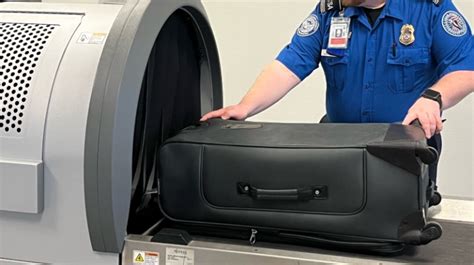
Technological advancements are promising even more significant improvements. Some airports, including the Southwest Wyoming Regional Airport, have begun adopting Computed Tomography (CT) and Advanced Imaging Technology (AIT). Unlike conventional X-ray machines, CT scanners generate detailed 3D images of bag contents, often eliminating the need to remove laptops or tablets. While this represents a major step forward in passenger convenience and security, nationwide implementation is still years away. TSA officials project that full deployment could extend to 2040 due to the high costs and procedural adjustments required. Until that point, travelers must remain proactive in safeguarding their valuables.
Practical Steps to Minimize Risk
Even with emerging technologies and dedicated security personnel, travelers must accept that their gadgets are most vulnerable when unattended. A few practical strategies can significantly reduce the likelihood of loss:
- Always keep high-value electronics in your personal carry-on when possible, minimizing exposure in bins.
- Utilize TSA-friendly backpacks with fold-out laptop compartments, allowing quick screening without full removal.
- Keep all electronics in a single pouch or compartment for easy monitoring and retrieval.
- Take photographs of devices for identification and insurance purposes.
- Maintain close visual contact with your bin at all times, especially in crowded conditions.
These steps are simple yet effective, emphasizing prevention over reaction. By treating TSA bins as high-risk zones, travelers can approach the screening process with both caution and confidence.
Understanding the Limitations of Airport Security
While TSA officers work diligently to maintain security and prevent theft, the system is inherently vulnerable due to human factors and high passenger volume. Bins are moved, devices shift, and brief distractions can have costly consequences. Recognizing this reality helps travelers make informed decisions about how and when to remove electronics, and whether additional protective measures, such as lockable pouches or specialized backpacks, are warranted. The convenience of modern technology and high-value gadgets comes with a responsibility to protect them actively, particularly in high-risk environments like airport security checkpoints.
The overarching lesson is clear: expensive tech should rarely, if ever, be left unattended in TSA bins. With a combination of foresight, organization, and utilization of available screening programs, travelers can enjoy both safety and peace of mind, reducing the likelihood of a devastating loss while navigating the complex world of air travel.