The Importance of Aircraft Trim
Aircraft trim serves several critical purposes that directly affect the pilot’s workload and the aircraft’s performance. Primarily, trim adjustments are necessary to eliminate the continuous pressure pilots experience on control surfaces like the control stick, yoke, or rudder during extended periods of flight. The ability to adjust trim enables pilots to stabilize the aircraft without needing to exert constant pressure on the flight controls. This is particularly important during phases of flight that require a steady attitude, such as cruising, climbing, or descending.
When flying without an autopilot, such as in smaller aircraft, trim is even more vital. For instance, when climbing, a pilot must constantly pull back on the control stick to maintain the correct pitch. This action can cause fatigue, making it difficult to control the aircraft for long periods. By trimming the aircraft to the correct angle, the pilot can relieve this physical strain, effectively reducing their need to keep constant pressure on the controls.
How Aircraft Trim Is Executed
Trim can be executed in several ways depending on the type of aircraft. The most common method involves the use of a trim wheel or a trim tab, both of which allow for fine adjustments to the aircraft’s control surfaces. Larger commercial aircraft, in particular, often use electric or hydraulic systems to adjust the trim automatically or through a motorized wheel.
Trim Tabs: The Primary Mechanism
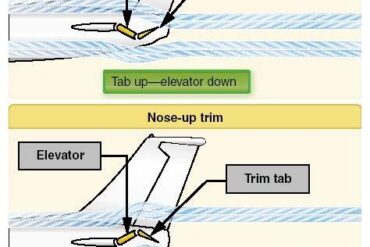
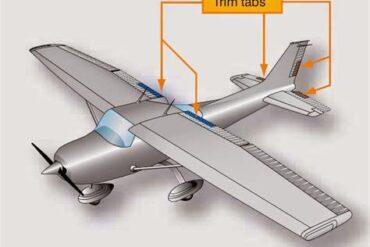
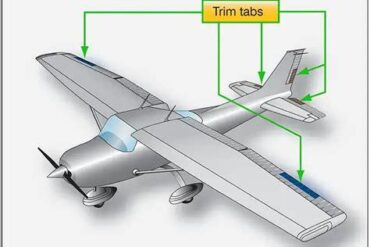
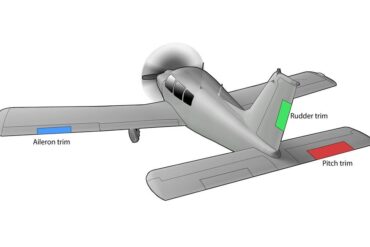
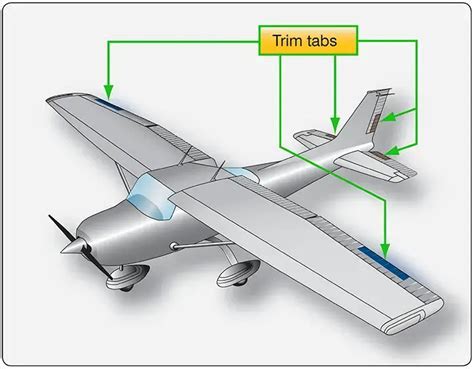
The most common method of trimming in aircraft is through the use of trim tabs. These small adjustable surfaces are attached to the main control surfaces, such as the elevator, rudder, or ailerons. The trim tab adjusts the angle of the control surface, reducing the aerodynamic force that would otherwise need to be countered by the pilot’s physical effort. For instance, when a pilot needs to maintain a nose-up attitude during a climb, adjusting the trim tab causes a downward force on the control surface, alleviating the need for constant back-pressure on the control stick.
Adjusting the Trim in Large Aircraft
In larger commercial aircraft, the trim system often involves more sophisticated mechanisms. Instead of adjusting the trim tab itself, the entire horizontal stabilizer may be tilted to achieve the desired trim effect. This method is aerodynamically more efficient and helps reduce the drag associated with less efficient methods of trim adjustment. In many large aircraft, trim adjustments can be made using electronic or hydraulic systems, enabling precise and rapid changes to the trim configuration.
Older Systems: Springs and Manual Adjustments
In some older aircraft, such as gliders, a system involving springs might be used to provide trim control. The pilot can adjust the tension in the springs, which in turn provides a mechanical force on the control surfaces to counterbalance the aerodynamic forces. In addition, some aircraft still use manual trim adjustments, especially for rudders, where the trim is adjusted on the ground before flight.
Trim in Different Axes: Pitch, Roll, and Yaw
While vertical trim is the most commonly adjusted, trim can also be applied to the aircraft’s roll and yaw axes. These adjustments are particularly useful in situations where asymmetry exists, such as when a two-engine aircraft experiences a failure of one engine. In such cases, adjusting the rudder trim can help the aircraft maintain a straight flight path.
Vertical Trim (Pitch)
The most common trim adjustment is for pitch. This refers to the aircraft’s nose-up or nose-down attitude. When a pilot is climbing, trimming the aircraft allows the pilot to maintain the climb without having to constantly pull back on the control stick. Similarly, when descending or cruising, the trim can be adjusted to ensure that the aircraft stays level without constant input from the pilot.
Lateral Trim (Roll)
Lateral trim adjustments involve the ailerons and are necessary when an aircraft drifts to one side during flight. This may occur due to factors such as asymmetrical fuel loads, passenger distribution, or even wind conditions. By trimming the aircraft’s roll, the pilot can keep the wings level, reducing the need to apply continuous pressure on the aileron controls.
Directional Trim (Yaw)
Yaw trim adjustments are made using the rudder. The rudder trim is important for maintaining directional stability. For example, in a twin-engine aircraft, if one engine fails, the rudder trim will need to be adjusted to compensate for the yawing force caused by the asymmetric power. This ensures that the aircraft flies straight, even with an engine out.
What You Should Keep in Mind When Trimming an Aircraft
While trimming is essential for the smooth operation of an aircraft, it is not a substitute for proper weight and balance. Ensuring that the aircraft is properly loaded before flight is the first step in achieving optimal trim. Even with the correct trim adjustments, if the aircraft’s weight distribution is not balanced, flight stability will be compromised.
Weight Distribution and Balance
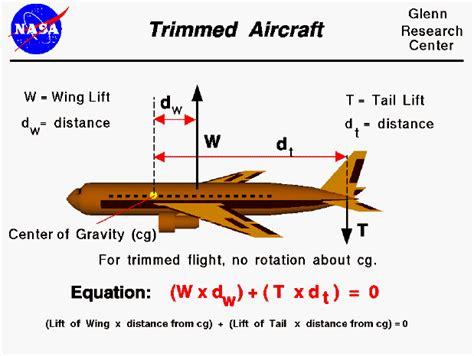
One of the key factors that influence trim settings is the distribution of weight in the aircraft. Aircraft are designed with a specific center of gravity (CG) that needs to be maintained throughout the flight. If the weight is not properly balanced, it can create unwanted forces that affect the aircraft’s pitch, roll, and yaw. Proper loading of passengers, cargo, and fuel is crucial to ensuring that trim adjustments are effective.
Speed and Angle of Attack
Trim adjustments are not static; they vary with changes in airspeed and the aircraft’s angle of attack. As the aircraft’s speed and attitude change, so too will the forces acting on the control surfaces. Pilots must remain vigilant and make trim adjustments as necessary to maintain stable flight.
Environmental Factors
External factors such as wind conditions, turbulence, and air density can also affect trim settings. A headwind, for example, will increase the lift and drag on the aircraft, requiring adjustments to the trim to maintain level flight. Similarly, changes in altitude or atmospheric pressure can also impact the trim configuration. Pilots must continuously monitor these factors and make the necessary trim adjustments to ensure a smooth flight.
The Role of Trim in Autopilot Systems
In modern aircraft, autopilot systems often incorporate trim adjustments as part of their flight management capabilities. These systems use sophisticated sensors and actuators to continuously adjust the trim settings, ensuring that the aircraft stays on course without the need for constant pilot intervention. In fact, autopilot systems are often responsible for making the majority of trim adjustments during long flights.
However, even with autopilot, pilots must remain aware of the aircraft’s trim settings, especially during critical phases of flight such as takeoff, landing, or when troubleshooting a malfunction. A malfunction in the autopilot system can lead to improper trim, which could result in dangerous situations if not corrected.
Conclusion: The Art of Trim Adjustment
Trim is an essential skill for pilots, enabling them to fly aircraft efficiently and comfortably while reducing physical strain. By adjusting the control surfaces to balance the aircraft’s attitude and forces, pilots can ensure that the aircraft maintains a steady course without constant input. Whether in small general aviation aircraft or large commercial jets, trim plays a vital role in ensuring the safety, efficiency, and ease of flight. Understanding how to execute trim adjustments, the factors that affect them, and when to make these adjustments is a key aspect of becoming a skilled and competent pilot. By mastering the art of trimming, pilots can improve both their flying experience and the overall performance of the aircraft.