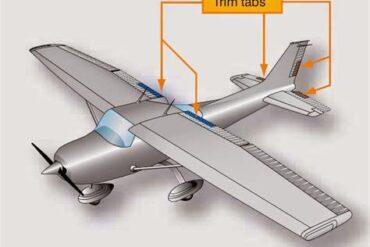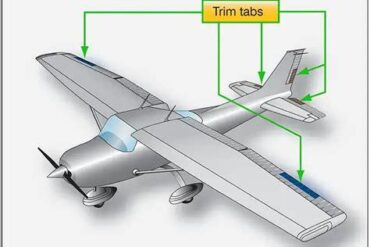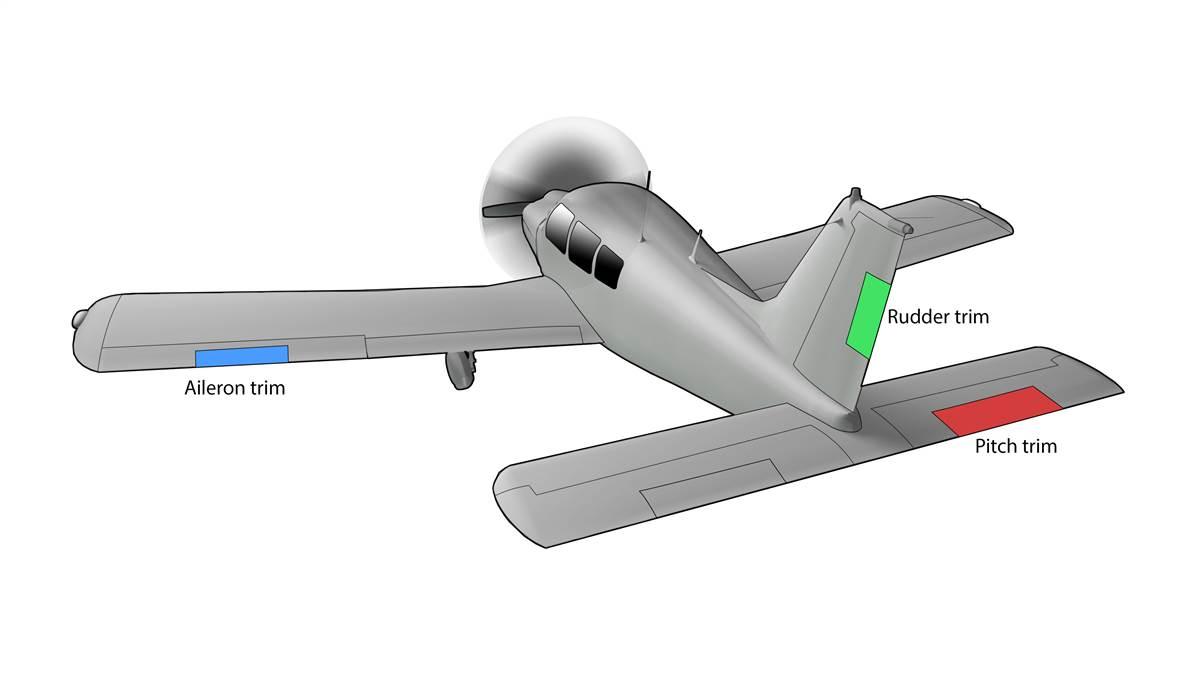
Trim tabs are essential components of an aircraft’s control system, designed to reduce pilot workload and improve the overall handling of the aircraft. These small, but highly functional devices can make a significant difference in the way an airplane responds to various flight conditions. There are four main types of trim tabs: Trim Tabs, Balance Tabs, Antiservo Tabs, and Ground Adjustable Tabs. Each of these tabs serves a unique purpose and contributes to the smoother operation and control of the airplane. Let’s take an in-depth look at each type to understand their function and application in aviation.
Trim Tabs: Simple Yet Effective
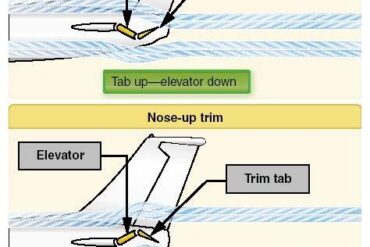
The trim tab is the most commonly used type, particularly in smaller single-engine aircraft. It is a small, adjustable surface attached to the trailing edge of an aircraft’s elevator. In operation, the trim tab helps alleviate the need for constant manual control input from the pilot by adjusting the airplane’s attitude. By rotating a small control wheel in the cockpit, the pilot can move the trim tab up or down. When the trim tab is adjusted downwards, it moves the elevator up, causing the aircraft’s nose to rise. Conversely, when the trim tab is adjusted upwards, it moves the elevator down, lowering the nose. This adjustment allows the pilot to set the aircraft’s attitude to a desired position without maintaining pressure on the yoke.
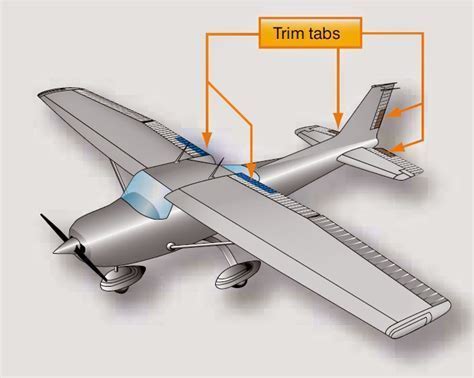
The trim tab works by deflecting the flow of air over the control surface, effectively reducing the need for continuous control input. Although this might seem counterintuitive—moving the tab downward to raise the nose—it operates by exploiting the airflow to assist the elevator in maintaining the desired pitch. This makes trim tabs an invaluable tool for long flights, reducing pilot fatigue and improving the overall flying experience.
Balance Tabs: Reducing Control Loads
For aircraft that experience heavy control loads, particularly at high speeds, the balance tab proves to be an essential device. Unlike a standard trim tab, the balance tab is attached to the control surface linkage. When the control surface moves in one direction, the balance tab automatically moves in the opposite direction. This motion helps to counteract the forces that build up on the control surface, reducing the strain on the pilot’s control inputs.
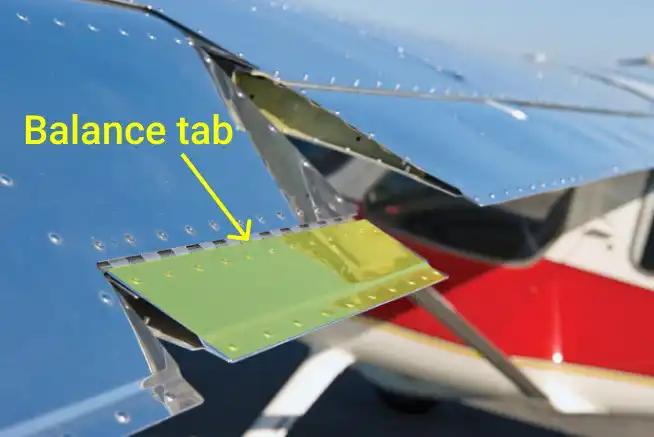
The primary purpose of the balance tab is to reduce the effort required by the pilot to manipulate the yoke or rudder, especially at higher speeds. By deflecting in the opposite direction, the balance tab makes it easier to maintain level flight and adjust the aircraft’s attitude. This is particularly useful in aircraft with heavier control systems or those that fly at high speeds, where control forces can become substantial.
Antiservo Tabs: Enhancing Control Feel
Antiservo tabs are another form of control surface modification that works similarly to balance tabs but with a slightly different purpose. These tabs move in the same direction as the primary control surface (such as the elevator or stabilator). For example, when the elevator moves upward, the antiservo tab will move upward as well. This movement increases the control feel for the pilot, providing more resistance and preventing over-control of the aircraft.

The key benefit of antiservo tabs is their ability to improve pilot feedback and prevent over-controlling the aircraft. In smaller aircraft, this can be particularly important because the lack of sufficient resistance in the control system could cause a pilot to over-pitch the aircraft, leading to instability or even overstressing the airframe. One well-known example of an aircraft that uses antiservo tabs is the Piper Cherokee, where the antiservo tab helps to prevent excessive pitching and provides a more stable, predictable control response.
Ground Adjustable Tabs: Practical and Precise
Ground adjustable tabs are unique in that they are not adjustable in-flight. These tabs require manual adjustment while the aircraft is on the ground, making them a more rudimentary form of trim tab. The most common application of ground adjustable tabs is on the rudder. To adjust them, the pilot or mechanic must bend the tab slightly to the left or right to correct the aircraft’s trim. This adjustment is done by placing the tab between two solid surfaces, such as wooden blocks, and applying pressure to achieve the desired bend.
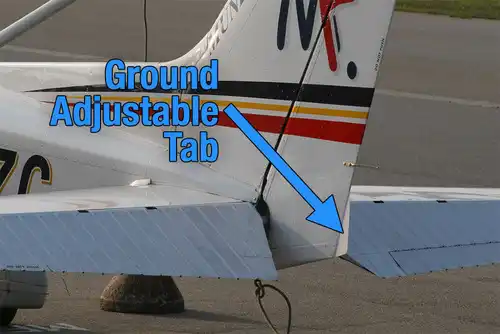
The main function of ground adjustable tabs is to keep the airplane coordinated during level flight. This can be particularly useful during training flights or when flying aircraft that are prone to small yawing tendencies. Adjusting the ground tab is a trial-and-error process, requiring a few flights to fine-tune the setting. Once the correct adjustment is made, however, the tab remains fixed until further adjustments are necessary. Although this system may seem less convenient than the in-flight adjustable tabs, it remains a simple and effective tool for certain types of aircraft.
The Importance of Trim Tabs in Aviation
Trim tabs are integral to modern aircraft design, providing pilots with better control, less fatigue, and more precise flight operations. Whether it is the trim tab, the balance tab, the antiservo tab, or the ground adjustable tab, each type plays a critical role in making flying smoother and more manageable.
The use of trim tabs allows pilots to fine-tune the airplane’s response to control inputs, minimizing the physical strain required for maintaining a steady flight attitude. These systems not only improve comfort and reduce pilot workload, but they also enhance the safety and performance of the aircraft. For instance, reducing control loads with balance tabs can prevent pilots from making overly aggressive control movements, while antiservo tabs can reduce the risk of over-controlling the aircraft, particularly in more responsive aircraft.
As aviation technology continues to advance, the role of trim tabs will likely expand, with new designs and innovations improving their efficiency and functionality. For pilots, understanding the different types of trim tabs and their functions is essential for maintaining safe, smooth, and controlled flight operations.
Trim tabs, in all their variations, serve as an extension of the pilot’s control system, allowing for more precise handling and reducing the need for constant input. Whether you’re flying a small single-engine plane or a more complex aircraft, understanding how to use trim tabs effectively can make a substantial difference in your flying experience.