Understanding the Diverse Types of Planes
Aviation has evolved into a complex ecosystem, encompassing a vast range of aircraft types that serve diverse roles across civilian, commercial, and specialized sectors. From jumbo jets transporting thousands of passengers each day to very light jets that provide tailored regional mobility, the world of aviation is a dynamic interplay of design, purpose, and performance.
Jumbo Jets: The Giants of the Sky
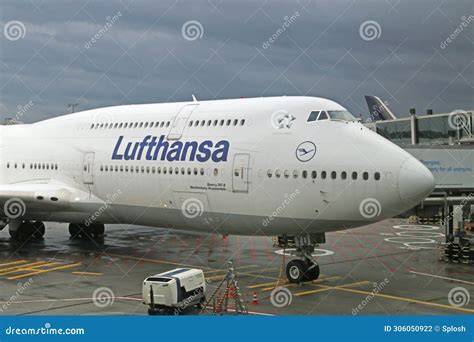
Jumbo jets are the largest commercial aircraft, celebrated for their long-range capabilities and massive passenger capacities. Two aircraft dominate this category:
-
Boeing 747, often dubbed the “Queen of the Skies,” has become a cultural icon with its distinctive humpbacked fuselage. Introduced in 1970, the 747 can seat between 350 to 600+ passengers, depending on configuration.
-
Airbus A380, launched in 2007, surpasses the 747 with its double-deck layout and the ability to carry up to 850 passengers in an all-economy setup.
These aircraft are also adaptable to cargo roles, often transporting oversized freight globally.
Cargo Planes: Powering Global Trade
Cargo aircraft, or freighters, are engineered to transport goods—ranging from heavy machinery to perishable items. This category includes:
-
Boeing 747-8F and 777F, derived from their passenger versions.
-
Airbus Beluga XL, known for its iconic whale-shaped fuselage.
-
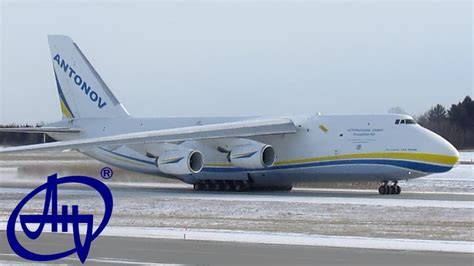
Antonov An-124, one of the most powerful freighters still in operation.
The Antonov An-225 Mriya, the heaviest aircraft ever built, was tragically destroyed in 2022, but it remains a symbol of unparalleled cargo capacity.
Widebody Aircraft: Comfort Meets Range
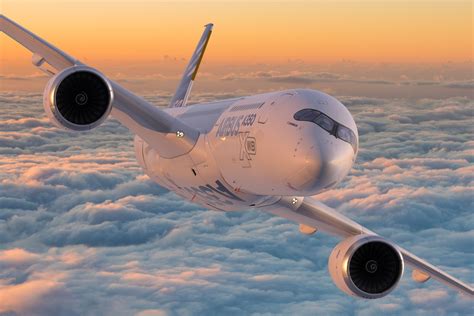
Widebody planes are defined by their dual-aisle cabins, making them ideal for long-haul intercontinental flights. These aircraft deliver both passenger comfort and freight capacity, with seating typically ranging from 250 to 400 passengers.
Notable examples include:
-
Airbus A350
-
Boeing 777, a leading choice for international routes
-
Boeing 767 and Airbus A330, trusted for both passenger and cargo operations
Their ability to travel farther without refueling enhances their viability for connecting distant global cities.
Narrowbody Aircraft: Efficiency in Regional Travel
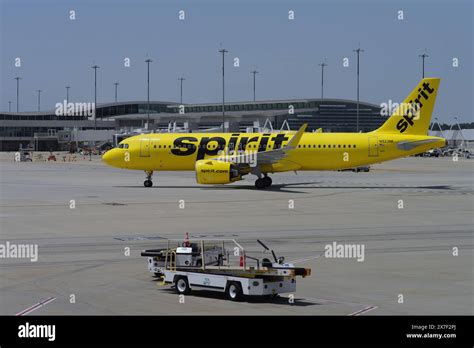
Narrowbody jets feature single aisles and are optimized for short to medium-haul routes. These aircraft are the workhorses of domestic and regional air travel, with passenger capacities ranging from 100 to 240.
Key models include:
-
Boeing 737 series, especially the modern 737 MAX
-
Airbus A320 family, including A318 through A321, and the A320neo series
Their ability to operate from smaller airports and turnaround quickly makes them central to airline operations.
Private Jets: Tailored Luxury and Business Travel
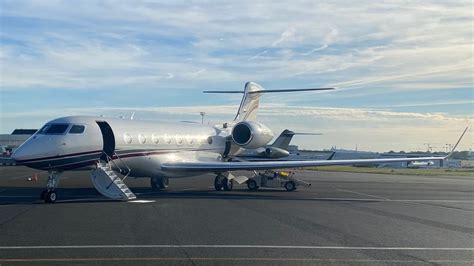
Private jets offer a customized experience defined by luxury, flexibility, and efficiency. They range from heavy intercontinental aircraft to compact, cost-effective jets.
Heavy Jets
-
Gulfstream G650: With a range over 7,000 nautical miles, it connects virtually any two points on Earth.
-
Bombardier Global 7500: The longest-range business jet with 7,700 nautical miles.
Mid-Size Jets
-
Gulfstream G200: Reliable and versatile with a range of 3,400 nautical miles.
-
Challenger 350/650: Known for spacious cabins and strong takeoff performance from shorter runways.
Light Jets
- Cessna Citation CJ series and Phenom 300: Perfect for short regional flights, typically seating 5–9 passengers.
Very Light Jets (VLJs)
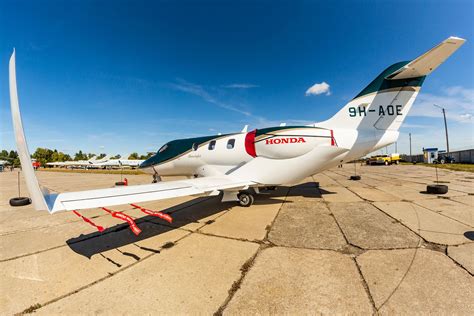
- HondaJet and Eclipse 500: Single-pilot certified with efficient operation over distances up to 1,500 miles.
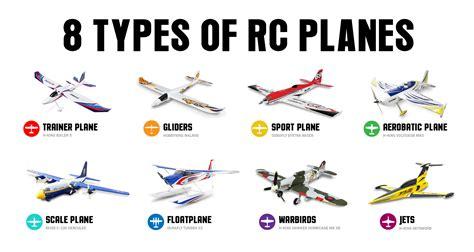
Propeller Planes: Simplicity with Versatility
Propeller-driven planes, or piston-engine aircraft, serve a wide array of missions where speed isn’t the priority. They are often used in flight training, aerial photography, and remote access.
Single-Engine Planes
-
Cessna 172
-
Piper Cherokee
These aircraft are staples for pilot education and general aviation.
Amphibious Planes
- ICON A5 and Dornier Seastar: Capable of operating from both land and water, suitable for firefighting, SAR, and island transport.
Aerobatic Planes
- Extra 300 and Pitts Special: Lightweight and extremely agile, built for aerobatic competitions and airshows.
Turboprops
-
Cessna Caravan
-
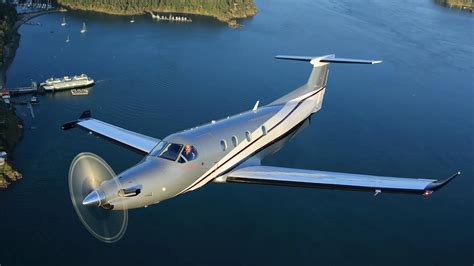
Pilatus PC-12: Combine jet engine efficiency with propeller propulsion, ideal for short runways and regional logistics.
Lighter-Than-Air Aircraft: Buoyancy in Action
Lighter-than-air (LTA) aircraft achieve lift via gas buoyancy rather than aerodynamic thrust. Though less common today, they maintain roles in advertising, surveillance, and scientific missions.
Airships
-
Zeppelins (rigid)
-
Blimps (non-rigid)
-
Semi-rigid airships
These aircraft played vital roles in WWI and WWII, before being replaced by faster fixed-wing aircraft.

Gliders: The Art of Silent Flight
Gliders are engine-less aircraft relying on aerodynamic lift and atmospheric currents. Constructed from lightweight materials, they are designed to maximize glide ratio and are popular in recreational soaring and flight training.
Methods of launch include:
-
Aerotowing
-
Winch launching
-
Car towing
Pilots leverage thermals, ridge lift, and wave lift to extend duration aloft. Modern gliders can travel hundreds of kilometers with strategic planning.

Frequently Asked Questions
What is the difference between narrowbody and widebody aircraft?
Narrowbody aircraft have a single aisle and are suited for short to medium-haul flights, typically carrying up to 240 passengers. Widebody aircraft feature two aisles and are designed for long-haul travel, offering higher passenger and cargo capacities.
Why are private jets more expensive than commercial flights?
Private jets offer personalized schedules, luxurious interiors, and exclusive access to smaller airports. Operating costs are distributed over fewer passengers, making per-person costs significantly higher than commercial flights.
Are lighter-than-air aircraft still used today?
Yes, blimps and airships are still used for advertising, surveillance, and scientific research. Though largely replaced by faster aircraft for transportation, they retain niche applications due to loitering capabilities and maneuverability.