So, you’re thinking about becoming a pilot? That’s awesome. But here’s something you might not know yet: the FAA offers several types of pilot licenses, and each one comes with its own rules, ratings, and privileges. Some are meant for hobby flying. Others open doors to professional aviation careers. No matter where you’re from—international or U.S. student—you’ll need to choose a license that fits your goals.
Let’s break it all down.
What Is a Pilot License?
In simple terms, a pilot license (technically called a pilot certificate) gives someone legal permission to fly an aircraft. Think of it like a driver’s license, but for the sky. However, unlike driving, flying comes with stricter rules based on the type of aircraft and conditions you’ll face. That’s where FAA classifications and ratings come in.
The FAA, or Federal Aviation Administration, is the main organization that handles everything aviation-related in the U.S. They create and enforce all the rules for pilots, aircraft, and flight training.
What Are the Different Types of Pilot Licenses?
Here are the most common FAA licenses and ratings:
- Private Pilot (PPL)
- Instrument Rating (IR)
- Commercial Single-Engine License (CSEL)
- Commercial Multi-Engine License (CMEL)
- Airline Transport Pilot (ATP)
- Multi-Crew Pilot (MCP)
- Certified Flight Instructor (CFI)
- Certified Flight Instructor – Instrument (CFII)
- Multi-Engine Instructor (MEI)
There are also simpler options like Sport Pilot and Recreational Pilot certificates, which are great for those looking for less intensive training.
How Do You Get a Pilot License?
1. Start With a Dream
It always starts with a dream. We hear from people every day who’ve imagined flying since they were kids. If that’s you, congratulations—you’re already one step in. Now it’s time to get serious.
2. Handle the Paperwork
Before you can fly, you’ll need to handle some paperwork. First up is confirming you’re eligible under FAA rules. Then, you’ll apply for a Student Pilot Certificate. This is what lets you start flight training.
3. Begin Flight Training
Once you have your student certificate, you’ll jump into flight school. You’ll do a mix of classroom lessons (called ground school) and one-on-one flight sessions with a Certified Flight Instructor (CFI). After training, you’ll take your written exam and checkride to earn your Private Pilot License (PPL).
4. Put That License to Use
After getting your license, what’s next? That’s up to you. If you work your way up to an ATPL (Airline Transport Pilot License), you can fly commercial jets for major airlines. The more licenses and ratings you collect, the more opportunities you’ll unlock.
Understanding Each Type of Pilot License
Student Pilot Certificate
To begin any serious training, you’ll need a Student Pilot Certificate. This certificate allows you to legally receive flight instruction. Here are the requirements:
- Be at least 16 years old (or 14 for gliders and balloons)
- Be able to read, write, and speak English fluently
How to Apply:
You’ll fill out an application through IACRA—that’s the Integrated Airman Certification and Rating Application. Then, you submit it through a Flight Standards District Office (FSDO), an FAA examiner, a representative at a Part 141 school, or a certified flight instructor.
After it’s reviewed by the Airmen Certification Branch (ACB), your certificate will arrive in the mail, usually within three weeks.
Get a Medical Certificate Too:
You’ll also need a Medical Certificate from an Aviation Medical Examiner (AME). This ensures you’re physically fit to fly. Once you have both certificates in hand, you’re ready to train.

Private Pilot License (PPL)
The Private Pilot License is by far the most popular FAA-issued license. To get your PPL, you’ll need to:
- Log at least 35 hours of flight time (though most people need more)
- Pass a written test
- Pass the FAA checkride
- Have a valid driver’s license
With a PPL, you can fly alone or with passengers, but you can’t charge money for your flying services.
Instrument Rating (IR)
A PPL lets you fly most single-engine aircraft, but if you want to fly in bad weather or low visibility, you’ll need an Instrument Rating (IR). This rating qualifies you to fly under Instrument Flight Rules (IFR), which is essential for safe flying in clouds or fog.
Most pilots earn this rating as part of their progression toward commercial licenses.
Commercial Pilot License (CPL)
With a Commercial Pilot License (CPL), you can legally get paid to fly. The requirements are more advanced than for a PPL. You must:
- Be at least 18 years old
- Speak and understand English clearly
- Pass written and practical exams
- Log at least 250 hours of total flight time
- Hold a 2nd Class Medical Certificate
Getting Hired as a CPL:
To work as a CPL, you also need:
- Endorsement from a Certified Flight Instructor
- Proof of completing ground school
- To pass your checkride with an FAA examiner
- A current medical certificate
Want to fly in tough weather? You’ll need to take and pass an IFR course. And if you plan to fly large aircraft, you’ll need a multi-engine rating too.
Commercial Multi-Engine Land (CMEL)
You can add a Multi-Engine Rating to either a PPL or CPL. With the CMEL, you’re allowed to operate aircraft with more than one engine. This rating is often done in a Piper Seminole, which is classified as a complex aircraft because of features like retractable landing gear and constant-speed propellers.
During this training, you’ll practice:
- Slow flight
- Stall recovery
- VMC demonstrations
- Emergency procedures
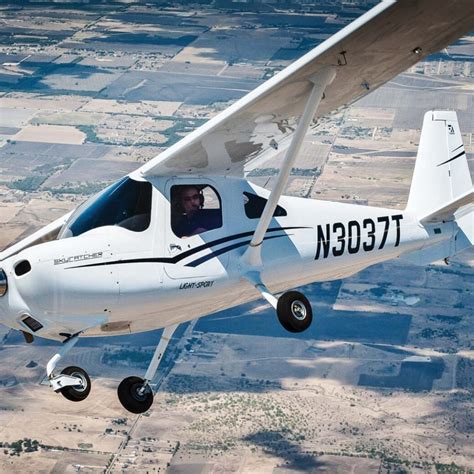
The course focuses on mastering advanced maneuvers and handling high-performance aircraft safely.
Airline Transport Pilot License (ATPL) Requirements
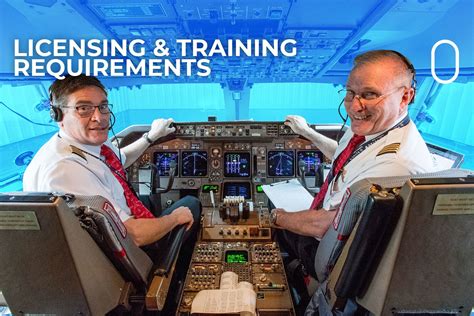
To fly for major airlines, obtaining the Airline Transport Pilot License (ATPL) is essential. This advanced certification allows you to take on commercial airline pilot roles, both in the United States and internationally. Before acquiring the ATPL, pilots must first complete the Private Pilot License (PPL) and Commercial Pilot License (CPL). Upon meeting these initial qualifications, you can then proceed to earn your Airline Transport Pilot (ATP) certification, which is required for airline employment.
Key ATPL Requirements
The Federal Aviation Administration (FAA) mandates specific requirements for obtaining an ATPL. Here are the most important qualifications you must meet:
-
Age: You must be at least 23 years old.
-
Driver’s License: A valid driver’s license is necessary.
-
Flight Hours: A total of 1,500 hours of flight time must be logged across various aircraft and weather conditions. This experience is crucial for safely navigating the complexities of commercial aviation.
-
Exams: Successful completion of written exams, flight tests, and oral exams is required.
-
Instrument Rating (IR): Completion of IR courses and ground school is mandatory.
-
Medical Requirements: Pilots must pass comprehensive medical and eye exams and be in sound physical and mental health.
Certified Flight Instructor (CFI)
In the United States, the FAA requires commercial pilots to have logged 1,500 hours before they can fly for passenger airlines. This leads many pilots to become Certified Flight Instructors (CFI), as teaching students provides an opportunity to accumulate the necessary hours while earning a living.
CFI Requirements
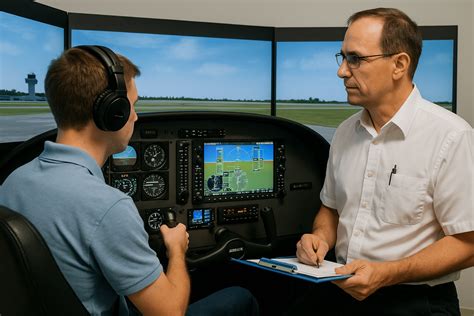
The CFI certificate enables pilots to train students on different types of aircraft and in various weather conditions. CFIs can work at educational institutions, FAA-certified flight schools, or establish their own flight schools. To qualify as a Certified Flight Instructor, you must:
-
Be at least 18 years old.
-
Hold a valid commercial pilot license (CPL).
-
Complete required CFI training coursework.
-
Pass the written CFI exams.
-
Complete an Instrument Rating (IR) course.
-
Pass the required medical and eye exams.
-
Obtain an endorsement from a CFI confirming completion of the fundamental training.
-
Log more than 15 hours of Pilot in Command (PIC) time while supervising student pilots.
-
Demonstrate proficiency in teaching spins, spin entry, and spin recovery.
Certified Flight Instructor – Instrument (CFII)
Once you become a CFI, you may wish to pursue the Certified Flight Instructor – Instrument (CFII) certification. A CFII allows you to teach students pursuing their Instrument Rating (IR) and endorse them for their FAA oral and practical exams.
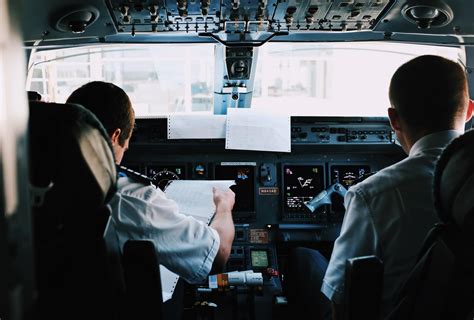
To earn your CFII:
-
You must already hold your CPL and Instrument Rating.
-
You need to pass the Instrument Flight Instructor Knowledge Test and a checkride.
Multi-Engine Instructor (MEI)
The Multi-Engine Instructor (MEI) certificate enables you to teach students who aim to fly multi-engine aircraft. As an MEI, you can endorse multi-engine candidates to take their FAA oral and practical exams. To obtain your MEI:
-
You must hold a CPL.
-
You must complete 10 hours of ground school and 10 hours of flight training.
-
You will need to pass a checkride.
How Long Does It Take to Earn These Licenses and Ratings?
The time required to earn a pilot license depends on several factors, such as weather conditions, aircraft availability, student aptitude, and training resources. Here are typical training timelines:
-
PPL: 3 months
-
IR (Instrument Rating): 2 months
-
CMEL (Commercial Multi-Engine License): 6 weeks
-
CSEL (Commercial Single-Engine License): 6 weeks
-
CFI (Certified Flight Instructor): 2 months
-
CFII (Certified Flight Instructor – Instrument): 3 weeks
-
CMEL Add-On: 2 weeks
-
CSEL Add-On: 2 weeks
-
MEI Add-On: 3 weeks
For international students, the training time is generally shorter due to fewer regulatory requirements. Some students complete their entire training program in as little as 7 months.
Costs of Earning a Pilot License
The cost to earn a pilot license can vary depending on the type of license and where you train. For example, in sunny Florida, pilots can train year-round, which shortens the training time and can reduce overall costs. Additionally, the use of flight simulators can also help reduce training expenses.
The estimated cost for a domestic student from zero experience to airline pilot is around $70,000. However, for international students, the costs are generally lower, averaging $50,000 due to differences in requirements and fewer hours needed to qualify.
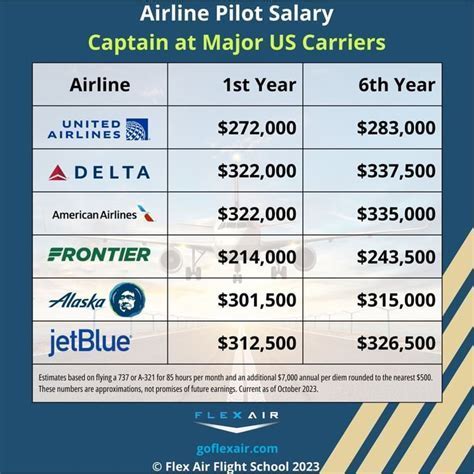
Do Pilots Earn Enough to Justify the Cost of Training?
While the cost of training is significant, pilots generally earn competitive salaries, especially once they have gained experience and secured positions with major airlines. In the cargo sector, for example, many pilots find that their earnings justify the upfront investment in training.
What About Type Ratings?
After earning your ATPL, you may need to obtain a type rating for specific aircraft, especially larger commercial jets like the Boeing 747 or 777. A type rating is an additional certification required by the FAA or local aviation authorities for pilots flying specific aircraft types.

For example, once you earn your ATPL, an airline like Mesa Airlines may offer you a First Officer position. Mesa’s fleet includes Bombardier CRJ200, CRJ700, CRJ900, and Embraer E175. Like most airlines, Mesa provides training for pilots to earn type ratings for these specific aircraft.
Frequently Asked Questions
Q: Do I need a college degree to be an airline pilot?
A: While most airlines do not require a college degree, having one can improve your chances in the selection process. The most important qualification is your ATPL.
Q: How do I renew my pilot’s license?
A: A Private Pilot License (PPL) does not expire, but you must maintain a current medical certificate. If you plan to carry passengers, you must complete 3 takeoffs and landings in the last 90 days.
Q: How do I get a replacement license if I lost mine?
A: You can request a replacement certificate online directly through the FAA.
Q: Is there a way to look up pilot information?
A: Yes, the FAA provides an online tool to search for pilots by name or certificate number.
Q: Do I need a radio license?
A: Most large airlines require pilots to hold a Restricted Radiotelephone Operator Permit (RR), issued by the FCC.
Q: Do I need a license to fly a drone?
A: Yes. To fly a drone under the FAA’s Small UAS Rule, you must hold a Remote Pilot Certificate, which requires a small fee.
Q: License vs. Certificate? Which is correct?
A: While the terms are often used interchangeably, a license must be renewed periodically, whereas a certificate does not. The FAA uses “license” specifically for commercial space transportation.
Aircraft Pilot Certificates and Ratings
Pilot certifications are a critical part of aviation. These certificates and ratings allow individuals to legally operate aircraft in various roles, whether for personal enjoyment or as part of a professional career. Below, we discuss several types of pilot certificates, including the Recreational Pilot License (RPL), Sport Pilot Certificate, and the prestigious Master Pilot Award.
Recreational Pilot License (RPL)
The Recreational Pilot License (RPL) is designed for those who wish to fly for fun. This certificate allows pilots to operate light, single-engine aircraft as the pilot-in-command (PIC) without supervision. However, there are certain limitations to this certification.
Requirements for the RPL
-
Minimum Age: You must be at least 17 years old.
-
Training Hours: A minimum of 30 hours of flight training is required.
-
Tests: You must pass both a written knowledge test and a practical flight test.
-
Flight Limitations: Recreational pilots are restricted to flying within 50 nautical miles of their home base unless additional endorsements are earned.
-
ATC Communication: Training for flying in airspace requiring communication with Air Traffic Control (ATC) is not mandatory.
-
Night Flying and Instrument Training: Recreational pilots are not required to undergo night flight or instrument training.
The FAA enforces these restrictions, ensuring that recreational pilots remain within safe operational limits. While recreational flying might be simpler and more flexible compared to other pilot certificates, pilots should always adhere to FAA guidelines for safety.
Sport Pilot Certificate
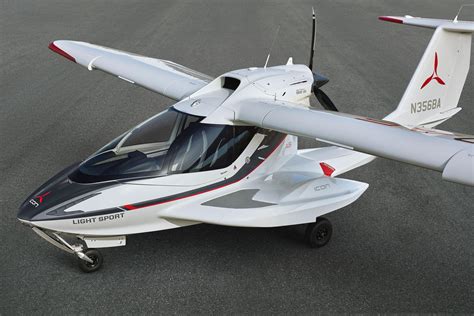
The Sport Pilot Certificate allows individuals to fly light-sport aircraft without the need for an FAA medical certificate. This makes it a popular option for those who want to enjoy flying without the full requirements of other certifications.
Key Features of the Sport Pilot Certificate
-
Minimum Age: You must be at least 17 years old.
-
Flight Experience: A minimum of 20 hours of flight time is required.
-
Tests: The pilot must pass a relatively simple written test.
-
Medical Requirements: No FAA medical certificate is required, but the pilot must hold a valid driver’s license.
-
Training Time: Many pilots can complete their training and earn their Sport Pilot Certificate in as little as two weeks.
-
English Proficiency: Pilots must be able to read, speak, and understand English to ensure clear communication during flight.
This certificate offers a simplified entry into flying light aircraft for enthusiasts, especially for those seeking a less demanding path into aviation. Given the lack of medical certification requirements, the Sport Pilot Certificate is ideal for recreational flyers who may have medical conditions that would typically prevent them from obtaining other licenses.
Master Pilot Award
Safety is paramount in aviation. For pilots who have demonstrated an extraordinary commitment to safety over the course of their flying career, the Master Pilot Award is the ultimate recognition. This prestigious honor is given to pilots who have achieved 50 consecutive years of safe flying.
About the Master Pilot Award
-
Purpose: The award is named in honor of the Wright Brothers, acknowledging their pioneering contributions to aviation. It recognizes pilots who have shown unwavering dedication to safe flying throughout their careers.
-
Eligibility: To be eligible, pilots must have maintained a clean safety record for 50 years of consecutive flying.
-
FAA Recognition: The FAA bestows this award to pilots who have a history of consistent, safe flight operations.
This award serves as a lifelong achievement for pilots who have demonstrated professionalism, skill, and safety throughout their flying careers.

Whether you are considering a recreational or sport pilot certification, or aiming for a lifetime of safe flying, there is a license or award tailored to your aviation aspirations. Always remember to prioritize safety and compliance with FAA regulations to enjoy a rewarding and secure flight experience.