Becoming a pilot is not a single moment of triumph, but a carefully structured journey defined by progressive evaluations designed to measure knowledge, judgment, discipline, and technical skill. In aviation, testing is not about eliminating candidates; it is about building safer pilots. We recognize that each type of pilot test serves a precise function in shaping professional decision-making, reducing operational risk, and reinforcing aeronautical standards. From early training assessments to FAA-administered examinations, these evaluations create a layered system of accountability that transforms students into competent aviators.
We understand that pilot testing is unique compared to most professional certifications. It is not limited to theoretical recall. Instead, it merges human performance, real-time situational awareness, and procedural accuracy. Each test is designed to simulate real operational environments, where mistakes are costly and preparation is non-negotiable. This structure ensures that pilots are tested not only on what they know, but on how they think under pressure and how they translate knowledge into decisive, safe action.
We also recognize that pilot testing is progressive by design. Early evaluations are intentionally formative, guiding students toward mastery rather than disqualification. As pilots advance, the tests become increasingly standardized and high-stakes, culminating in direct evaluation by federal examiners. This escalating structure ensures that no pilot reaches the cockpit without passing layers of scrutiny that validate both competence and readiness.
Stage Checks and Training Evaluations in Flight School Programs
Stage checks, also called training evaluations, represent one of the most foundational types of pilot tests. We view these assessments as internal quality control systems built into structured flight training programs. They are informal in regulatory terms but highly formal in impact, as they determine whether a student is progressing safely and consistently toward certification milestones. These checks often occur before major transitions in training, such as the first solo flight or the midpoint of instrument training, and they create a documented performance baseline that instructors can use to adjust lesson plans.
We emphasize that stage checks are not primarily about passing or failing. They are about diagnosing gaps in aeronautical knowledge, flight coordination, cockpit discipline, and decision-making logic. During these evaluations, instructors observe how students manage aircraft systems, communicate with air traffic control, respond to simulated malfunctions, and maintain situational awareness. The true value of stage checks lies in their feedback mechanism, which allows both instructor and student to collaboratively refine weaknesses before formal FAA testing begins.
FAA Pre-Solo Knowledge Testing for Student Pilots
The FAA-mandated pre-solo knowledge test represents the first federally required evaluation in a pilot’s career. We consider this test a critical psychological and operational threshold. It marks the transition from supervised training to independent aircraft operation. This written test focuses on essential aeronautical concepts that directly impact flight safety, including aircraft limitations, system operations, weather interpretation, airport traffic procedures, emergency response planning, and navigation basics. It is not standardized by a universal passing score; instead, instructors evaluate comprehension holistically.
We understand that the true purpose of the pre-solo test is to verify not only knowledge but maturity. A student who understands powerplant limitations, density altitude effects, and pattern entry procedures demonstrates readiness for the immense responsibility of flying alone. Instructors review incorrect responses in detail, transforming mistakes into learning moments that often become permanent safety habits. This test also establishes the cultural expectation that aviation is built on preparation, humility, and respect for procedure.
FAA Airman Knowledge Tests for Pilot Certification
FAA Airman Knowledge Tests, commonly referred to as written exams, are formal, standardized, and computer-based evaluations required for most pilot certifications. We treat these tests as academic pillars of professional aviation. Each exam is tailored to a specific certificate or rating, including private pilot, instrument rating, commercial pilot, flight instructor, and airline transport pilot. The tests are administered in authorized testing centers under controlled conditions that prohibit personal electronic devices and reference materials.
We observe that these exams are rigorously structured to test both conceptual understanding and applied problem-solving. Topics include aerodynamics, meteorology, navigation, performance calculations, federal regulations, and human factors. A minimum score of 70 percent is required to pass, but successful candidates typically aim much higher. Preparation often involves dedicated home-study courses, structured reading of FAA handbooks, and repeated use of practice examinations. These tests do not simply measure memory; they measure intellectual discipline and the ability to apply theory in operational contexts.
Practical Test Checkride Structure and Examiner Evaluation Process
The practical test, widely known as the checkride, represents the most consequential type of pilot test. We define this milestone as the moment where theory and practice merge under federal scrutiny. The checkride consists of two integrated components: an in-depth oral examination and a real-world flight evaluation. Both are conducted by an FAA-designated examiner who follows the Airman Certification Standards (ACS) to ensure uniformity and fairness across all candidates.
We see the oral examination as an advanced professional conversation rather than an interrogation. In this phase, candidates are evaluated on their ability to think systematically, justify decisions, and manage hypothetical flight scenarios. Examiners explore topics such as weather diversion strategies, aircraft system failures, weight and balance considerations, and regulatory compliance. Scenario-based questioning reveals how well candidates can manage complex, ambiguous situations that mirror real aviation environments.

Flight Evaluation Components During Practical Pilot Examinations
The flight portion of the checkride is an immersive operational assessment that spans the entire flight lifecycle. We recognize this as the most demanding evaluation, as it requires simultaneous application of knowledge, motor skills, communication discipline, and risk management. The evaluation begins with a meticulous preflight inspection, where candidates demonstrate their understanding of aircraft airworthiness, system integrity, and operational readiness. Each action is silently observed and measured against the ACS tolerances.
We note that during flight, candidates are assessed on their ability to perform precise takeoffs, landings, navigation exercises, and inflight maneuvers while maintaining continuous situational awareness. Emergency procedures are not treated as theoretical drills; they are evaluated as realistic operational simulations. Instrument-rated candidates must demonstrate mastery of instrument approaches, holding patterns, and cockpit resource management. Commercial pilot candidates are held to tighter performance tolerances and must execute advanced maneuvers that demonstrate superior aircraft control and judgment.
Advanced Pilot Rating Tests and Skill Escalation Standards
As pilots progress to higher certifications, the structure of testing becomes more refined and more unforgiving. We observe that commercial and airline transport pilot tests are designed to evaluate consistency rather than mere competence. At these levels, examiners expect a level of polish that reflects professional airmanship. Precision in altitude control, airspeed management, and navigational accuracy is no longer aspirational; it is mandatory. Each advanced test reflects the exponential increase in responsibility that comes with carrying passengers and operating complex aircraft.
We emphasize that the ACS framework serves as the legal and technical backbone for all practical tests. It defines performance criteria, risk management expectations, and acceptable tolerances. Pilots who internalize these standards do not view checkrides as obstacles; they see them as professional validations of disciplined training.
Effective Preparation Strategies for Passing All Types of Pilot Tests
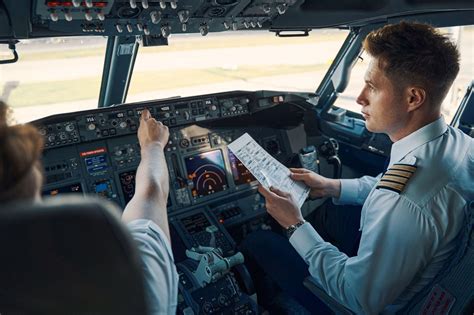
Preparation for pilot tests is not accidental; it is engineered through consistent intellectual and procedural habits. We advocate for structured study systems that align directly with the ACS. Creating personalized study guides, regularly reviewing aeronautical concepts, and maintaining organized flight logs build mental clarity and confidence. Group study environments are especially powerful, as explaining complex concepts to peers forces deeper cognitive processing and long-term retention of technical material.
We also stress the psychological dimension of preparation. Rest, routine, and professional presentation play underestimated roles in performance. A well-rested pilot processes information faster, reacts more calmly, and demonstrates greater confidence. Professional attire on checkride day is not about vanity; it reinforces a professional mindset that translates into composed, deliberate performance in the cockpit.
The Role of Pilot Testing in Aviation Safety and Professional Standards
Pilot testing is not merely a gatekeeping mechanism; it is a living safety system. We view each test as a structural support beam in the architecture of global aviation safety. Through repeated evaluation, pilots develop habits that reduce error probability and increase decision-making reliability. These tests standardize excellence and turn individual responsibility into systemic reliability. The result is a profession built on verifiable competence, not assumption.
We conclude that understanding the types of pilot tests is essential for anyone entering aviation. These evaluations are not barriers; they are navigational waypoints in a journey defined by discipline, respect, and mastery. Each test refines not only skill, but character, shaping pilots who are trusted with lives, machines, and the invisible highways of the sky.