The Critical Role of the Aircraft Fuel Tank in Aviation Safety
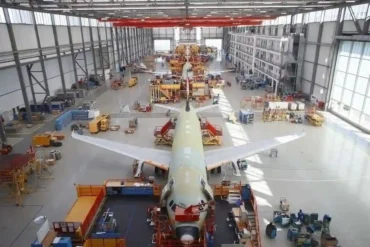
Every aircraft fuel tank is more than a storage container—it’s a highly engineered component that is vital for aircraft performance, efficiency, and safety. From short-range general aviation planes to long-haul commercial jets, the type of fuel tank used affects everything from weight distribution to maintenance complexity. In aviation, understanding the fuel storage system is essential for ensuring not only efficient flight but also regulatory compliance and long-term airworthiness.
Aircraft utilize three primary fuel tank types—integral, bladder, and rigid removable tanks. Each serves a distinct operational niche and requires a unique approach to inspection, maintenance, and repair.
Rigid Removable Fuel Tanks: Durable Yet Traditional
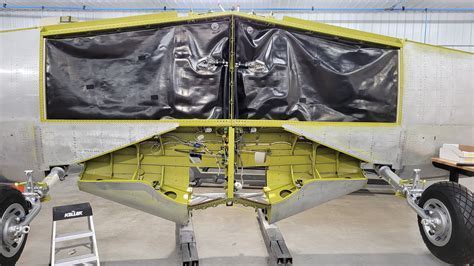
Rigid removable fuel tanks are among the earliest and most widely used fuel storage solutions in aviation. Especially common in vintage aircraft and certain general aviation models, these tanks are constructed using aluminum alloys or stainless steel, chosen for their high strength-to-weight ratios and corrosion resistance.
The tank’s structure is riveted or welded and placed securely within the aircraft, often inside the wings or fuselage. These tanks are mounted using padded straps or brackets to avoid movement during flight, which could otherwise lead to mechanical stress or system failure.
Advancements in materials have introduced isophthalic polyester resin composites, which provide a seamless, lightweight alternative. These modern variants offer improved resistance to fuel degradation and internal corrosion. Yet, the core advantage of rigid tanks remains: they are fully removable, which makes inspection and complete replacement more feasible compared to other types.
Welding repairs on these tanks demand meticulous safety procedures. The removal of fuel vapors is crucial to prevent explosion risks. Technicians typically flush the tanks with detergent and water, followed by steam treatment, before any weld is initiated.
Integral Fuel Tanks: Structurally Efficient and High Capacity
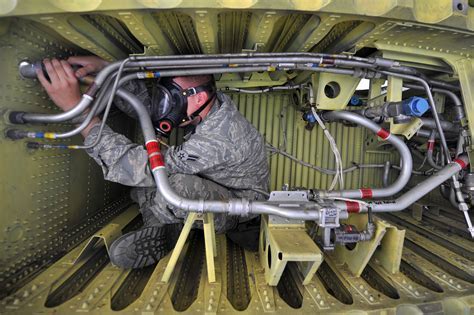
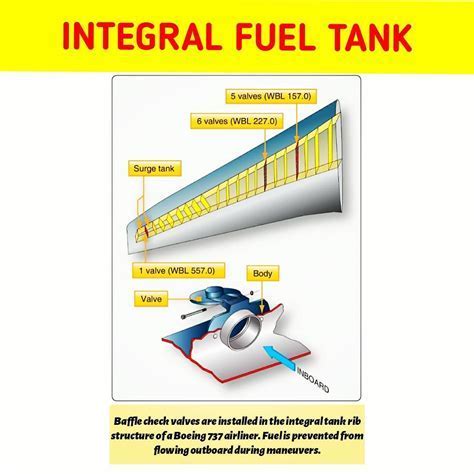
Integral fuel tanks are the most space-efficient and weight-conscious fuel storage solution in aviation. These tanks are built directly into the wing or fuselage structure of the aircraft. Rather than being standalone components, they are sealed sections of the aircraft’s skin and frame, coated with a fuel-resistant sealant to prevent leaks.
This type of design is standard in high-performance jets, military aircraft, and transport-category planes where maximizing internal space is essential. The absence of a separate tank reduces weight and offers a larger usable volume per kilogram, which is critical in long-haul and combat operations.
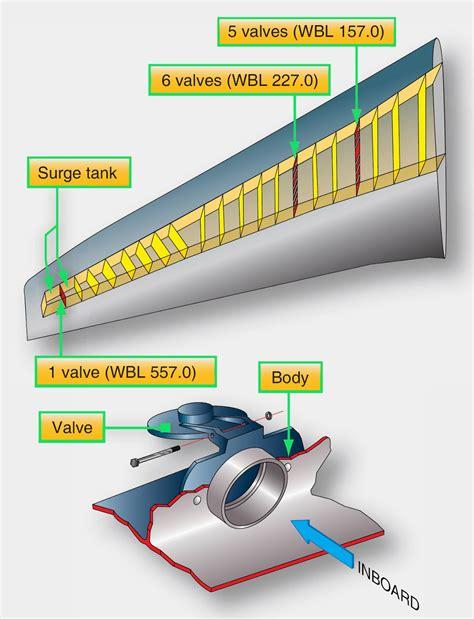
To stabilize fuel movement during flight, integral tanks incorporate baffles and check valves. These systems allow fuel to move toward the engine under gravity and positive pressure while preventing it from sloshing outward during aggressive maneuvers.
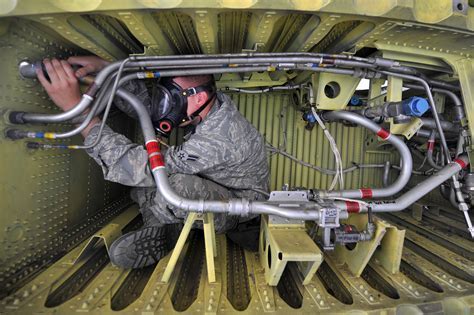
Maintenance on integral tanks is more complex. The aircraft must be fully de-fueled, and all maintenance personnel are required to wear respiratory protection to guard against volatile fuel vapors. Boost pumps, often built into the tank, facilitate not just engine supply but also refueling, fuel transfer, and jettisoning operations.
Bladder Fuel Tanks: Flexible, Lightweight, and Accessible
Bladder tanks represent a hybrid solution between flexibility and durability. Constructed from reinforced rubber or synthetic fabric, these tanks are both foldable and resilient, enabling installation through narrow access points within the aircraft structure. Once inserted, the bladder expands into its pre-defined shape, conforming to the available bay area.
Their key advantage lies in ease of replacement and their self-sealing properties in certain military configurations. However, for civil aviation, the focus is on their lightweight design and moderate maintenance requirements.
Bladder tanks must be positioned flat and wrinkle-free to prevent the buildup of contaminants in folds and seams. Improper installation can cause sediment and water to settle in these crevices, potentially leading to engine issues.
Modern bladder systems can last for decades if inspected regularly and protected from ozone degradation and fuel additive incompatibility. They are also favored in regions of the aircraft that experience structural flexing, where rigid tanks would otherwise suffer fatigue.
Key Considerations for Fuel Tank Maintenance
Whether using rigid, integral, or bladder fuel tanks, aircraft owners and technicians must prioritize scheduled inspections and preventive maintenance. The FAA and other aviation authorities require routine fuel system evaluations to ensure ongoing airworthiness. Neglecting such procedures can lead to fuel contamination, leaks, and even catastrophic engine failures.
Fuel tank inspections should assess the following:
-
Structural integrity: Check for corrosion, cracks, and loose fittings.
-
Sealant degradation: Especially critical in integral tanks.
-
Pump and sensor functionality: Boost pumps and fuel quantity indicators must be tested regularly.
-
Contaminant buildup: Water, microbial growth, or particulate debris in the tank sump can compromise fuel quality.
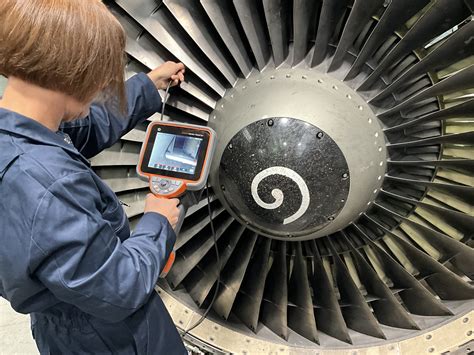
Modern inspection techniques now include borescope inspections, ultrasonic testing, and infrared thermography, enabling non-destructive evaluation of tank interiors and seams.
Material Science and Innovation in Aircraft Fuel Storage
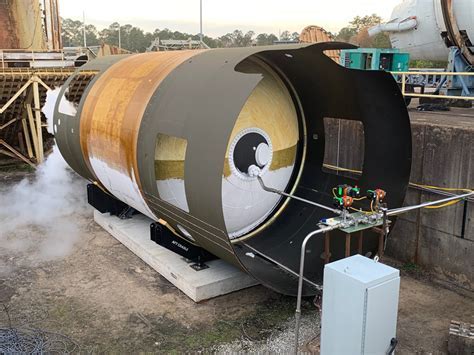
With evolving demands in both military and commercial aviation, materials used in fuel tank manufacturing continue to advance. While aluminum and stainless steel remain standards, composite materials such as carbon-fiber-reinforced polymers (CFRP) and Kevlar laminates are being explored to enhance strength, reduce weight, and improve damage tolerance.
Composite materials also offer non-conductive benefits, reducing the risk of static discharge—a vital consideration for aircraft operating in volatile atmospheric conditions.
In addition, nano-coatings and polymer-based sealants are being developed to extend the operational lifespan of tanks by preventing corrosion and fuel permeation.
Conclusion: Fuel Tanks as Strategic Aircraft Components
The aircraft fuel tank is not just a reservoir—it is a dynamic, safety-critical structure whose design, material composition, and maintenance regimen directly affect flight reliability. Whether removable, integral, or flexible, each tank type serves a purpose shaped by the aircraft’s mission, environment, and age.
As the industry moves toward more fuel-efficient and electric hybrid propulsion systems, fuel tank technology will continue to evolve. For now, understanding and maintaining these systems is the key to safer skies and sustainable aviation.
FAQ
What type of fuel tank is most common in commercial aircraft?
Most commercial airliners use integral fuel tanks, typically built into the wings. These tanks provide maximum fuel storage with minimum weight penalties, making them ideal for long-haul operations.
How often should aircraft fuel tanks be inspected?
Aircraft fuel tanks should be inspected at every scheduled maintenance interval and more frequently if operating in extreme conditions. This includes checking for leaks, corrosion, pump performance, and fuel contamination.
Can bladder fuel tanks be repaired?
Yes, bladder fuel tanks can be repaired if punctured or degraded. However, the tank must be removed, thoroughly cleaned, and inspected before applying approved repair kits or sealants, following aviation regulatory standards.