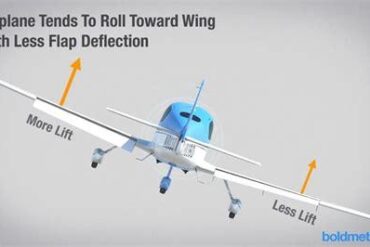
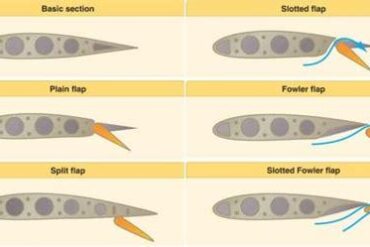
Aircraft flaps are essential components in the design and operation of airplanes, allowing for enhanced aerodynamic performance during critical phases of flight. By modifying the wing’s characteristics, flaps enable pilots to optimize lift, drag, and overall flight control. There are four primary types of flaps, each offering unique advantages and characteristics. In this article, we will delve into the four types of aircraft flaps, explaining how they work, their benefits, and their typical applications in aviation.
1. Plain Flaps
Plain flaps are the simplest and most basic type of flap. They consist of a flat surface that is hinged to the trailing edge of the wing. When extended, the flap pivots downward, increasing the wing’s camber and generating additional lift. However, while plain flaps enhance lift, they are limited in their overall effectiveness compared to more advanced designs.
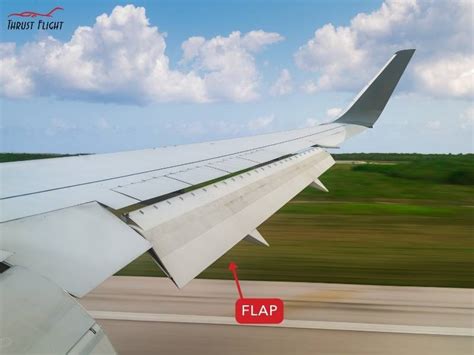

The primary disadvantage of plain flaps is that they create significant drag due to airflow separation. When the flap is extended, the air over the wing becomes turbulent, leading to a large wake behind the aircraft. This increases drag and reduces overall aerodynamic efficiency. However, the drag generated by plain flaps can be used strategically during landing, as it allows pilots to achieve a steeper descent without significantly increasing airspeed. This characteristic is particularly useful for smaller aircraft operating in confined spaces or short runways.
2. Split Flaps
Split flaps are another type of flap that is commonly used in aircraft. Unlike plain flaps, split flaps are mounted on the lower surface of the wing. When deployed, the flap moves downward, creating a split between the top and bottom surfaces of the wing. This design increases lift while also generating a considerable amount of drag.
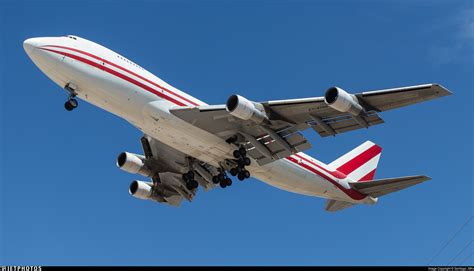
While split flaps offer an improvement over plain flaps in terms of lift generation, they still produce a significant amount of drag, which limits their overall efficiency. Despite this, split flaps are still found on certain aircraft, particularly in older or military designs. Their ability to provide additional lift and enhance maneuverability makes them useful in specific flight scenarios, such as during low-speed maneuvers or approaches to landing.
3. Slotted Flaps
Slotted flaps are among the most widely used types of flaps in modern aviation. These flaps feature a unique design that includes a slot between the flap and the wing. When extended, the slot allows high-pressure air from the lower surface of the wing to flow through, providing a boost to the airflow over the upper surface. This phenomenon adds energy to the wing’s boundary layer, helping to delay airflow separation and reducing drag.


The result is a significant increase in lift without a corresponding increase in drag. This is what makes slotted flaps so valuable, especially on larger aircraft. The added lift allows for slower takeoff and landing speeds, while the reduced drag contributes to better fuel efficiency. Slotted flaps are commonly found on a wide range of aircraft, from small general aviation planes to large commercial airliners.
4. Fowler Flaps
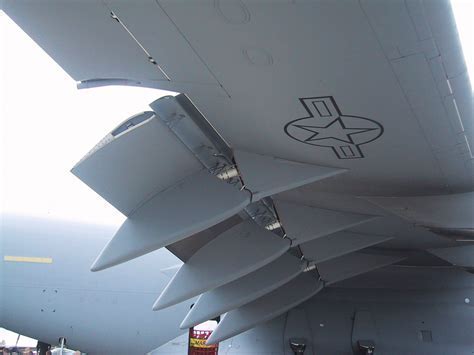
Fowler flaps are the most advanced type of flap, designed to provide maximum lift with minimal drag. These flaps are mounted on rails or tracks that allow them to extend rearward and downward, significantly increasing the surface area of the wing. This extended surface area provides a dramatic increase in lift, making Fowler flaps particularly useful for heavy aircraft, such as large commercial jets.

One of the key advantages of Fowler flaps is their ability to provide a large increase in lift during the initial stages of extension, with only a modest increase in drag. This makes them ideal for takeoff, where maximizing lift without significantly increasing drag is critical. However, as the flap continues to extend further, the lift continues to increase, but drag also increases considerably. This makes the later stages of Fowler flap extension more suited for landing, where a steeper descent and greater drag are beneficial for controlling the aircraft’s speed and approach angle.
Conclusion: Choosing the Right Flap for the Job
Each type of flap offers distinct advantages and is suited for different flight scenarios. Plain flaps are simple and effective for small aircraft operating in controlled environments, while split flaps are favored for specific military applications. Slotted flaps strike a balance between lift and drag, making them ideal for commercial aircraft, while Fowler flaps are best suited for large jets requiring significant lift during takeoff and landing.
Ultimately, the choice of flap depends on the specific requirements of the aircraft and its intended operational use. By understanding the unique characteristics and performance benefits of each type of flap, pilots and aircraft engineers can make informed decisions that enhance the safety, performance, and efficiency of their aircraft.