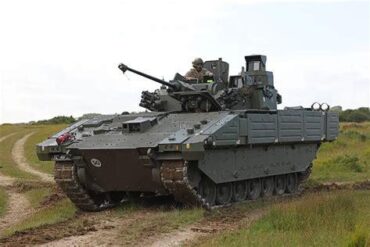
Tanks have long stood as towering symbols of military might, known for their ability to smash through enemy lines, deliver heavy firepower, and sustain hits that would cripple lighter vehicles. But the true genius behind the tank’s seemingly unstoppable momentum lies not just in its firepower or armor, but in a component many overlook — the belts, more properly known as tank treads or caterpillar tracks.
These continuous tracks are fundamental to the tank’s all-terrain mobility, enabling it to traverse mud, snow, sand, rubble, and rugged terrain with confidence. Understanding how these systems function — and why they remain superior to wheels in many combat environments — reveals just how sophisticated and enduring tank engineering really is.
The Anatomy of a Tank Track: Steel, Traction, and Sheer Force
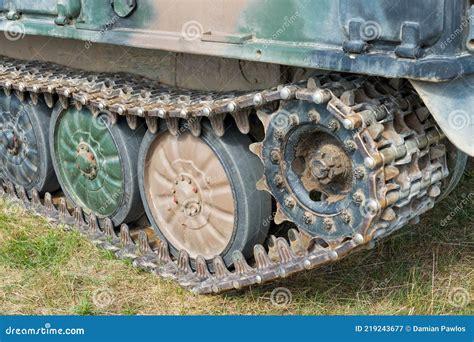
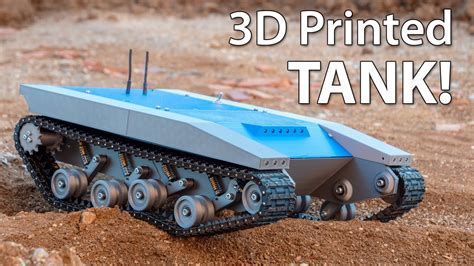
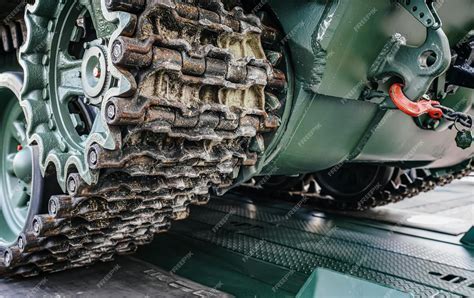
Tank treads are essentially a continuous track system, composed of a chain of metal links that loop around the wheels of the vehicle. These links are usually made of manganese steel or other high-strength alloys and are bolted together with hardened metal pins. Each link often includes rubber pads, which are crucial not only for improving traction but also for reducing vibration, minimizing noise, and preventing excessive damage to paved roads.
The operation of a tank track system is relatively straightforward in principle but complex in execution. The vehicle’s engine drives a sprocket wheel that meshes with the track links, propelling them forward. As the track moves, it rolls over a series of road wheels supported by torsion bars or hydraulic suspension systems, providing shock absorption across rough terrain. To prevent slack or derailing, tensioners and idlers are incorporated, maintaining the correct tension across the track at all times.
This engineering results in a resilient mechanism that keeps the tank grounded while bearing tens of tons of weight.
Why Tracks and Not Wheels? Combat Mobility Over Convenience
In civilian life, wheels dominate. But on the battlefield, tracks reign supreme. The reasons are both strategic and mechanical:
- Ground Pressure Distribution: A tank’s massive weight is spread over a large surface area due to its continuous track, drastically reducing ground pressure. This allows tanks to avoid sinking into soft ground such as snow, mud, or loose sand.
- Superior Traction: The treads dig into terrain, providing reliable grip that wheeled vehicles can’t match, especially during hill climbs or when navigating debris-strewn environments.
- Damage Resistance: Unlike rubber tires, which can be punctured or deflated, steel tracks are extremely durable. Even if several track segments are damaged, the tank can often continue moving.
However, this system does come at a cost. Tracks are slower, noisier, and require more maintenance. If a track breaks or slips off, the tank becomes immobile until the issue is resolved — a vulnerability that can be catastrophic in active combat.
Engineering Strength: Materials and Innovation
The modern battle tank owes much of its battlefield effectiveness to advanced metallurgy. The track links are not simple chains; they are manufactured from high-grade steels that must withstand both compressive and tensile forces, as well as shocks from high-velocity impacts and terrain irregularities.
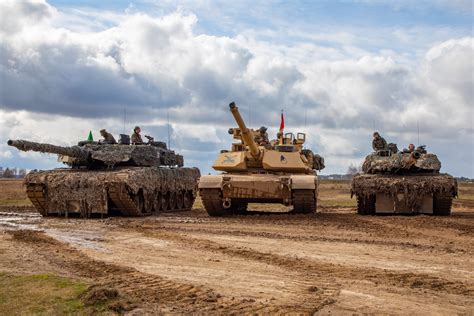
Modern tanks, such as the M1 Abrams, use treads composed of forged steel links reinforced with rubber bushings and pads. These rubber components play a dual role: improving traction on hard surfaces and dampening vibration to protect sensitive onboard electronics and reduce crew fatigue. For increased stealth and operational readiness, modern treads are also designed to minimize acoustic signatures.
A Historical Evolution: From Little Willie to Leopard 2
The concept of the continuous track began taking shape in the early 20th century. The British Army’s Little Willie, developed in 1915, was the world’s first operational tank, and it already employed rudimentary caterpillar tracks. It was slow, clunky, and underpowered — but revolutionary.
By World War II, designs like the German Panzer IV and the Soviet T-34 had refined the use of treads. Tracks became longer, wider, and more robust, enabling tanks to cross trenches and crushed urban rubble with impunity. These innovations translated directly into battlefield superiority.
In the modern era, main battle tanks (MBTs) like Germany’s Leopard 2, Russia’s T-90, and the United States’ M1 Abrams have taken the concept to new heights. These machines utilize cutting-edge metallurgy, precision-machined components, and advanced suspension systems, making today’s tracks faster, quieter, and more efficient than their predecessors.
The Downside of Dominance: Track Vulnerabilities
Despite their immense advantages, tank treads are not without drawbacks. The very features that make them ideal for rugged terrain also introduce a number of compromises:
- Speed Limitation: Tanks are generally slower than wheeled vehicles. This makes them less suitable for rapid redeployment or evasive maneuvers.
- Maintenance Heavy: Tracks are subject to high wear and require frequent inspection. Mud, ice, and debris can get lodged between the links or jam suspension components.
- Breakage Risk: If a single pin breaks or a link is thrown, the entire track loop can fail. Field crews must be able to repair or replace sections quickly — often under fire.
- Infrastructure Damage: Metal tracks can damage asphalt roads and leave visible paths, compromising operational secrecy.
Future Traction: The Rise of Hybrid Track-Wheel Systems
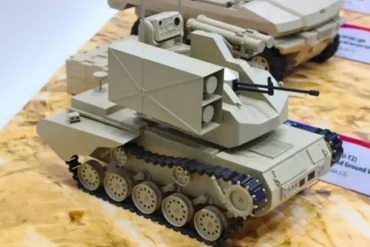
As warfare evolves, so too must the machines that fight it. One fascinating development is the experimental transforming track-wheel system developed under DARPA’s Ground X-Vehicle Technologies (GXV-T) program. This system allows a vehicle to switch between wheels and tracks on the fly, offering the agility of wheels and the resilience of tracks as needed.
These innovations aim to address modern threats like drone swarms, cyberwarfare, and GPS denial environments. Future tanks may incorporate AI-assisted diagnostics, self-repairing materials, and modular propulsion units, but treads — or a hybrid of them — are likely to remain a key part of the equation.
Strategic Imperative: Why Tracks Are Still the Best Choice
In land warfare, mobility is everything. Whether it’s storming enemy fortifications, crossing devastated urban zones, or surviving ambushes, the tank tread offers a level of resilience and adaptability that wheels simply can’t match. Treads empower tanks to go where no other heavy vehicle can, making them an indispensable part of mechanized infantry and armored divisions.
For modern armies, tanks aren’t just relics of 20th-century warfare — they are evolving instruments of strategic power, and their track systems are central to that power. Even as technology brings drones, cyber tools, and autonomous platforms into the fray, the clattering steel belts of a tank rolling into battle remain one of the most potent symbols of strength and dominance on the battlefield.