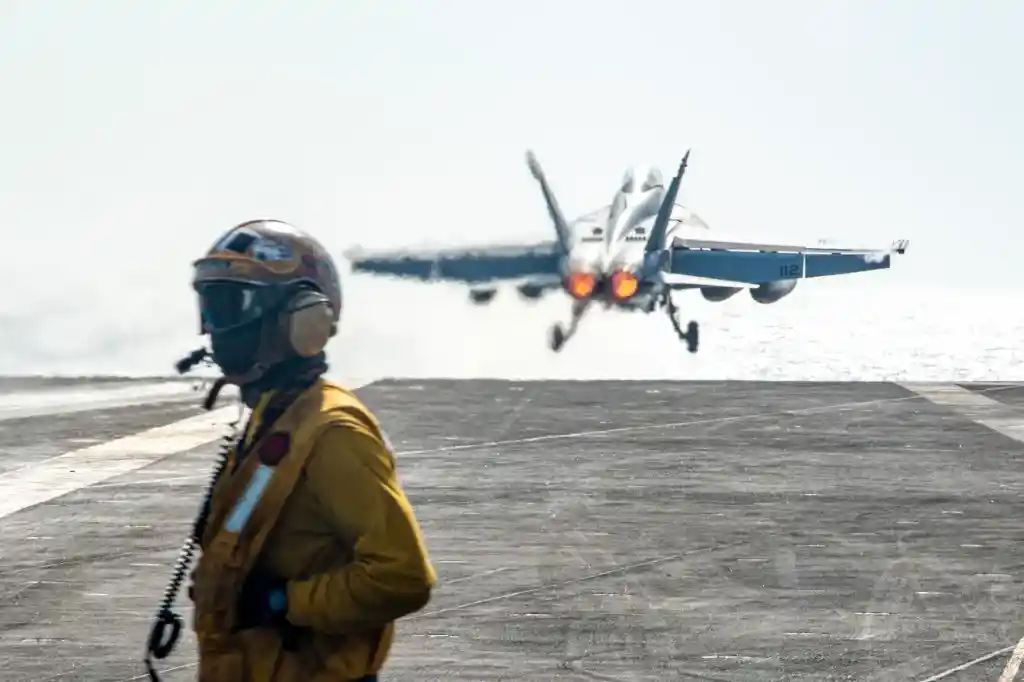
When military aircraft take to the skies, they rely on more than engineering excellence and elite piloting — they depend on the integrity of their fuel. Unlike civilian aircraft or vehicles, which might stall or sputter on subpar gasoline, the consequences of bad fuel in a military aircraft can be catastrophic, often leaving no room for error or recovery. The U.S. military’s aviation units, from high-speed fighter jets to versatile helicopters, operate under extreme conditions where fuel is more than just a resource — it is a lifeline.
Why Military Aircraft Don’t Use Regular Fuel
In the realm of military aviation, JP-8 is the standard. This specialized fuel is not your everyday kerosene — it is a carefully engineered mixture tailored for military needs. Composed primarily of kerosene, it includes corrosion inhibitors, anti-icing agents, and other performance-enhancing additives. The goal is to ensure reliability under extremes — high altitudes, sub-zero temperatures, rapid speed changes, and high-stress combat scenarios.
Fuel used in military jets must:
- Burn efficiently in afterburner-equipped engines.
- Resist icing at freezing altitudes.
- Prevent microbial growth in long-term storage.
- Avoid corrosion within critical fuel system components.
A single impurity or inconsistency can disrupt this finely tuned balance.
The Lethal Consequences of Contaminated Fuel
The introduction of bad fuel — fuel that is contaminated, improperly stored, or degraded — represents a ticking time bomb for military operations. It’s not merely a maintenance headache; it’s a direct threat to mission readiness, hardware longevity, and human life.
Contaminants in aviation fuel may include:
- Water (from condensation or poor storage)
- Microbial growth (especially in humid environments)
- Particles and sediment
- Metal shavings or rust from degraded containers
Each of these intrusions can cause multiple system failures:
- Fuel line blockages, especially when water freezes at altitude
- Inefficient combustion, reducing thrust and response
- Engine overheating and part erosion
- Total power loss, potentially leading to fatal crashes
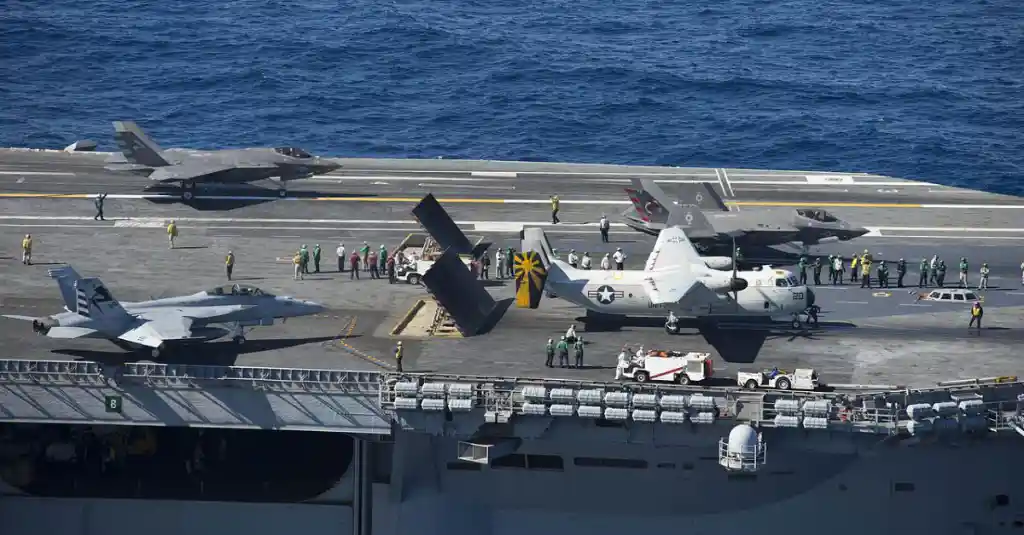
Case Study: Suspected Fuel-Related Crashes in the South China Sea
In October 2025, two U.S. Navy aircraft — a helicopter and a fighter jet — crashed within 30 minutes of each other in the South China Sea. Though investigations are ongoing, early speculation among aviation safety experts pointed to fuel contamination as a possible cause. The geographic and temporal proximity of the crashes suggests a shared logistical failure, potentially linked to a compromised refueling process.
In such high-stakes environments, even minor contaminants in a shared batch of JP-8 can lead to a chain reaction of failure. If both aircraft refueled from the same contaminated source, the incidents serve as a chilling example of how fuel quality missteps can cause widespread damage.
Inside the Fuel Handling Process
Given the risks, military refueling procedures are some of the most rigorously controlled in the world. From pipeline to nozzle, every step includes checks, tests, and filtering mechanisms designed to prevent contamination. These processes include:
- Regular fuel sampling from storage tanks
- Visual inspection for water or particulate matter
- Microscopic analysis for microbial contamination
- Filter separator checks on refueling trucks
Despite these measures, no system is infallible. Errors can still arise from human negligence, inadequate storage conditions, aging infrastructure, or even sabotage. That’s why ongoing vigilance and redundancy are essential.
The Science Behind the Danger: What Contamination Actually Does
At a molecular level, fuel contamination leads to multiple failure modes. For example, water in fuel, if not removed, can form ice crystals at high altitudes. These crystals can block the narrow fuel lines leading to the engine, starving it of fuel and causing abrupt flameouts. In jet engines that rely on continuous combustion, even a brief fuel interruption can be fatal.
Meanwhile, microbial contamination, common in warmer, humid deployments, can create sludge that clogs filters. These microbes also produce acidic byproducts that corrode fuel tanks, lines, and pumps. Once corrosion begins, metal fragments can further pollute the system, damaging injectors and turbines. The result: a cascading failure of interdependent components, often triggered by just a few milliliters of bad fuel.
Long-Term Damage: Not Every Failure is Instant
Not all fuel contamination leads to immediate disaster. In many cases, poor-quality fuel initiates long-term wear that slowly erodes an aircraft’s performance and reliability. This includes:
- Accelerated turbine blade degradation
- Increased maintenance downtime
- Gradual engine efficiency loss
- Rising operational costs
Maintenance crews often serve as the last line of defense. Their diligent inspections, pre-flight checks, and fuel sample evaluations routinely detect issues before they escalate. However, if even a single flight goes unchecked with contaminated fuel, the effects may accumulate silently — until it’s too late.
The Human Cost of Fuel Mishandling
While mechanical damage is expensive, the human consequences are immeasurable. A fuel-related crash often gives little to no warning, depriving aircrews of the chance to eject or recover. These incidents not only devastate families and units but also erode the strategic readiness of military forces.
In wartime scenarios, the loss of a single aircraft — whether a stealth fighter, transport plane, or attack helicopter — can compromise entire missions. Fuel mishandling thus becomes not just a technical issue, but a national security risk.
How the Military is Responding
The U.S. Department of Defense, aware of the critical nature of this issue, has invested heavily in advanced fuel testing protocols and logistics training. Emerging technologies being deployed include:
- Real-time fuel quality sensors installed in delivery systems
- AI-driven predictive maintenance tools that detect anomalies early
- Autonomous drones for pipeline inspection and leak detection
- Blockchain-backed fuel tracking to secure the supply chain
Additionally, fuel transport personnel undergo certification programs to ensure they meet the latest standards for fuel safety and handling.
Lessons From the Civilian Sector
While the stakes in military aviation are higher, some lessons can be drawn from the commercial airline industry, which has largely mastered fuel safety over decades of flight. Airlines implement closed-loop refueling systems, constant sensor monitoring, and multi-level redundancy. The military has adopted and even enhanced many of these practices for their own use, especially in joint operations or when operating from civilian airbases.
Conclusion: Zero Tolerance for Fuel Failure
In military aviation, there is no room for compromise. Every component — from radar to rivet — depends on a foundation of reliable energy. Fuel is not simply a consumable; it is an enabler of missions, a protector of lives, and a strategic asset. As recent incidents suggest, even one lapse in fuel integrity can have far-reaching consequences.
The future of military aviation will depend not just on cutting-edge aircraft, but on the discipline and diligence of everyone in the fuel supply chain. From base personnel to engineers and policy makers, all must understand that bad fuel and military aircraft don’t mix — and never will.