In global aviation discussions, few topics stir as much debate as the question of whether Etihad Airways delivers a dependable, high-quality travel experience. With travelers posting wildly different accounts—from glowing praise to blistering criticism—the airline stands as a case study in how modern carriers wrestle with service consistency, fleet modernization, and operational reliability. This article explores the airline’s strengths and weaknesses using insights echoed across aviation communities, long-haul travelers, and passengers passing through Etihad’s busy Abu Dhabi hub.
Etihad Airways, the national airline of Abu Dhabi, has long styled itself as a premium brand. Its early years were marked by aggressive expansion, major investments in partner airlines worldwide, and a mission to compete head-to-head with heavyweight regional rivals. Over time, the airline experienced both impressive highs and challenging lows, and these oscillations are often reflected in passenger experiences.
Etihad’s brand reputation tends to sit in a space between premium Middle Eastern carriers and mid-tier global airlines. While many passengers appreciate its pricing advantages, others argue that competitive fares sometimes translate to cost-cutting measures felt most strongly in customer service, cabin quality, and after-sales support.
Passenger Sentiment: A Spectrum of Experiences
Public assessments of the airline reveal a split personality. Some travelers admire the airline’s reliability, modern aircraft, and generally pleasant onboard crews. Others relay stories of frustrating customer service, outdated aircraft on certain routes, and inconsistent onboard products.
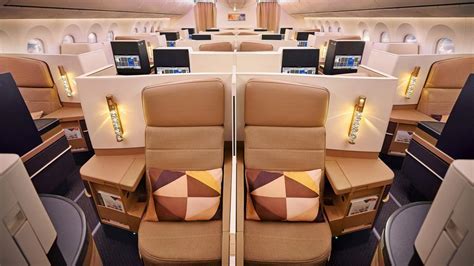
Several passengers describe Etihad as a solid airline. Comments from travelers flying between Europe, Australia, and Southeast Asia commonly highlight positive long-haul experiences, smooth connections through Abu Dhabi, and acceptable seat comfort for the price paid. Many long-time travelers recall the airline’s higher service standard from a decade ago and note that quality has fluctuated since.
That said, criticisms can be intense. Complaints range from denied boarding disputes to lack of clarity in documentation requirements, slow response times from support teams, inconsistent cabin cleanliness, and baggage delivery delays—even in premium cabins. This spectrum illustrates that traveler satisfaction depends heavily on route, aircraft model, and the circumstances of the journey.
The Abu Dhabi Transfer Experience
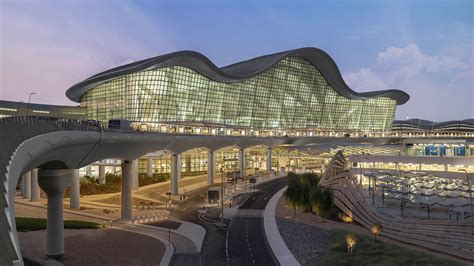
A major component of Etihad’s service ecosystem is its Abu Dhabi hub. Historically, travelers reported long layovers with limited things to do, though the airline’s move to a newer terminal has dramatically improved transit flow, retail options, and gate efficiency.
Many passengers praise the streamlined connections now available—especially compared to the older terminals—although others point out that the new infrastructure has not resolved concerns about customer support availability and response times during irregular operations.
Aircraft Types and Cabin Comfort
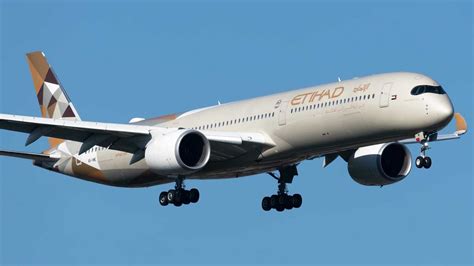
Etihad operates a mixed fleet that includes modern jets like the Airbus A350 and A380, as well as older aircraft that still await refurbishment. Aircraft type plays a major role in passenger satisfaction, especially on long-haul flights.
Travelers flying on the A350 or A380 frequently report strong experiences, often citing better air quality, quieter cabins, and smoother rides. Some even choose Etihad specifically for the A380’s spaciousness.
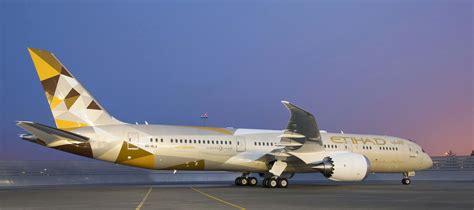
In contrast, routes operated by older Boeing 787s and certain older narrow-body jets sometimes lead to negative impressions. Narrow seats, outdated entertainment systems, or noticeable cabin wear-and-tear are common complaints. Some passengers even report a lack of inflight entertainment screens on regional aircraft, which feels disappointing compared to industry norms.
Baggage Policies and Fees: A Noticeable Pain Point
Etihad’s baggage rules often catch travelers off guard. Many are surprised to discover that economy travelers are limited to a single 7kg carry-on without an additional personal item allowance, a rule stricter than many international competitors.
Several passengers describe being charged steep fees for extra baggage—sometimes exceeding €300 for modest overages. Naturally, this kind of financial sting leaves a strong negative impression. The policy may be tolerable for light packers, but for vacationers headed to destinations like Thailand or India, it can feel unnecessarily restrictive.
Stopover Programs and Controversies
Etihad’s stopover programs in Abu Dhabi have attracted both enthusiasm and frustration. Some travelers appreciate being able to extend a layover and enjoy hotel stays for a relatively small fee. Others describe scenarios in which they paid for a stopover package only to learn—after arrival—that no hotel rooms were available.
Because availability is confirmed only after ticket purchase, some passengers feel misled. Their accounts of going from agent to agent without solutions have led to heated discussions about transparency and customer care. These discrepancies highlight a recurring theme: programs that work brilliantly for some travelers may feel like a scam to others when execution fails.
Customer Service: The Airline’s Most Contentious Feature
While inflight service generally receives moderate to positive feedback, customer service outside the aircraft cabin is frequently criticized. Several travelers recount experiences where agents were unable to resolve issues or provided vague or repetitive responses. Delayed ticket confirmations, payment verification issues, and difficulties contacting knowledgeable representatives are common themes.
A few passengers express anger at being denied boarding due to alleged documentation issues. One traveler cited being prevented from flying to India despite holding valid documents recognized by consular authorities. Others describe refund disputes, unanswered messages, and complications adding frequent-flyer miles.
The core pattern is that when things go smoothly, Etihad appears perfectly serviceable. But when complications occur, the support structure may feel fragmented or uncoordinated, creating a sense of helplessness for stranded travelers.
Inflight Quality: Mixed but Improving
Inflight experience is one of the airline’s more balanced areas. Seats on newer aircraft receive reasonable praise, though some passengers—especially those flying on older Boeing 777s or 787s—report discomfort, narrow seating, and outdated fixtures.
Food quality varies from decent to disappointing depending on route and aircraft. Some travelers describe tasty meals and attentive service. Others recount bland dishes or poorly prepared items, including pastas with overly simplistic sauces or breakfast options that felt low-effort.
Inflight entertainment on newer aircraft is generally modern and responsive, but a subset of flights continues operating with sluggish or malfunctioning systems. These inconsistencies shape how travelers interpret the airline’s overall reliability.
Operational Reliability and Timeliness
Punctuality is another area where Etihad faces divided assessment. Many travelers report smooth, on-time flights, particularly on key trunk routes between Europe and Southeast Asia. Others describe delays and missed connections, occasionally compounded by unclear guidance at the airport.
Some passengers, particularly frequent flyers, argue that Etihad’s operational reliability has declined in recent years. Meanwhile, others have only positive reports, suggesting that route choice and seasonality strongly influence outcomes.
Fleet Modernization and Future Alignment
Etihad has invested significantly in fleet upgrades and route network expansion. Its renewed commitment to profitability has already produced measurable financial improvements. Despite impressive financial results, some passengers contend that the airline’s tighter budget has reduced investment in comfort and customer care.
Still, the introduction of newer aircraft, streamlined flight schedules, and a more focused network strategy suggests the airline may be refining its identity. Whether these changes improve traveler satisfaction depends largely on how consistently they are implemented across all routes.
The Value Proposition: Price vs. Experience
One of Etihad’s most compelling attributes is pricing. Many travelers choose the airline because it offers competitive fares on long-haul routes that might otherwise be prohibitively expensive. For price-sensitive travelers, the balance of cost and quality often feels acceptable.
However, those expecting premium-level service based on the airline’s branding may walk away disappointed, particularly if they encounter older aircraft or customer service challenges. Expectations shape experience, and Etihad often sits at a tricky intersection between affordability and brand polish.
Conclusion: A Balanced Assessment of Etihad Airways
Is Etihad Airways good or bad? The answer depends heavily on expectations and priorities. Travelers seeking budget-friendly long-haul flights—with decent comfort on modern aircraft—often find the airline satisfactory or even enjoyable. Those who value seamless customer service, generous baggage policies, or guaranteed premium comfort may have a more difficult time.
Etihad is not universally excellent nor universally poor. Its greatest strength is its pricing combined with generally safe, reliable operations. Its greatest weakness is inconsistency—across aircraft quality, customer service responsiveness, and the fine print of extra fees.
For travelers who understand these trade-offs, Etihad can offer real value. For those wanting a consistently premium experience, other airlines may fit the bill more reliably. The airline continues evolving, and future improvements may narrow the gap between expectation and experience.
The ongoing conversation around Etihad illustrates how modern aviation forces carriers to balance competitive pricing with service quality, and how passengers weigh affordability against comfort in an era of ever-changing standards.