Aviation as a Calling: The Emotional and Professional Magnetism
Few careers carry the mystique, prestige, and passion as that of a commercial airline pilot. We often hear pilots describe their work not merely as employment, but as a calling that fuses adrenaline, responsibility, and joy in equal measure. For many, no other profession offers the same balance of technical mastery, global access, and structured progression. Flying an aircraft at 38,000 feet above sea level isn’t just a job—it’s a lifestyle embedded with discipline, reward, and sacrifice.
This career appeals deeply to those with a technical mind and an adventurous soul. The aviation industry, governed by precision, resilience, and responsibility, attracts individuals who are committed to excellence under pressure. But alongside the sheer thrill of soaring through the skies lies a grounded reality: long hours, family absences, and career delays are common threads that weave through many pilots’ experiences.

The Irreplaceable Joy of Flight
We repeatedly see aviation professionals affirm that no other job compares to flying. It’s not merely about sitting in a high-tech cockpit or wearing a uniform—it’s the unmatched perspective of the world from above, the intellectual satisfaction of mastering complex systems, and the emotional high of every smooth landing. Many commercial pilots cite the first solo flight as life-changing, cementing their commitment to the field forever.
Even with substantial sacrifices in time and personal life, the pilot’s seat offers a sense of freedom and fulfillment rarely seen in traditional careers. While others dread their morning commute, a pilot’s commute might span continents. The appeal of seeing new cities, meeting global crews, and navigating the ever-evolving weather and air traffic conditions makes each day different. There is no room for monotony when your job can start in Tokyo and end in Los Angeles.
Challenges in Timing: The Cost of Delays in Training
Timing is a critical factor in the aviation career path. One resounding theme from seasoned pilots is the regret over delayed starts. Taking extended breaks between earning ratings or certificates can set a career back by years. Some recount losing eight years of progress due to poorly timed decisions, while others emphasize that even a two-year pause can shift long-term trajectories.
Despite these cautionary tales, age is not an absolute barrier. Many aviators successfully enter the field in their late 20s or 30s. The industry respects competency and resilience over age, and mature cadets often bring life experience that proves invaluable under pressure. What matters most is persistence and the ability to stay current with rapidly evolving technologies, procedures, and aviation protocols.

Work-Life Balance: Myth or Manageable Challenge?
One of the most discussed drawbacks in the pilot community is the impact on personal life. Flight schedules, particularly for newer pilots, are often irregular and demanding. Reserve status, which requires pilots to be on standby for flights with little notice, can significantly disrupt daily routines. Holidays, birthdays, and family milestones are often spent thousands of miles away.
For those with families, maintaining a healthy work-life balance can be strenuous. Several pilots have spoken openly about the strain aviation has placed on their relationships. However, with seniority comes greater control over schedules. Veteran pilots may secure more favorable routes, predictable rotations, and even part-time roles, offering better alignment with personal priorities.
Mental and physical stress is another reality. High-alert decision-making in adverse weather conditions, emergency scenarios, and managing fatigued long-haul flights demand peak cognitive performance. A successful career in aviation isn’t just about flying—it’s about being consistently reliable under stress.
Financial Potential: Sky-High Rewards Over Time
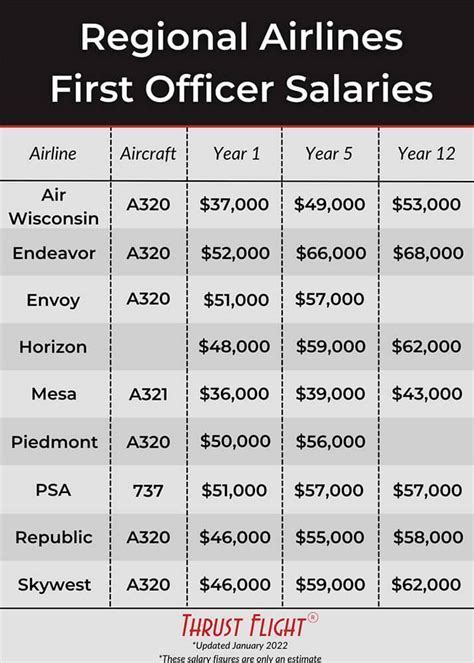
The financial return in aviation can be substantial, especially for those who rise through the ranks. Captains flying for major international airlines can command six-figure incomes, with multi-million dollar cumulative earnings over a decade or two. Compared to routine desk jobs or mid-level management positions, the long-term financial upside is significant.
Many pilots compare their aviation earnings favorably to careers in finance, the military, or engineering. The monetary value increases with international certifications, wide-body experience, and command positions. For instance, flying Boeing 777s or Airbus A350s yields considerably higher remuneration than smaller regional jets.
Career Stability and Backup Planning
Medical issues, regulatory changes, or licensing problems can abruptly halt a flying career. Forward-thinking pilots prepare by pursuing backup certifications such as dispatcher licenses, flight instructor ratings, or management degrees. These credentials provide career mobility within aviation, from operations and training to airline administration.
COVID-19 served as a cautionary tale, grounding fleets worldwide and pushing thousands of pilots into furloughs. Those with additional qualifications were better positioned to pivot during economic turbulence. Career stability in aviation demands foresight and contingency planning, just as much as it demands technical acumen.
Late-Starters and Industry Accessibility
The myth that only young aspirants succeed in aviation is consistently debunked. Many commercial pilots began their journey later in life—after finishing other careers or discovering aviation as a second calling. These individuals often bring maturity, decision-making clarity, and soft skills that younger peers are still developing.
Airlines value diverse backgrounds, and the pathway is increasingly flexible. With accelerated training programs and modular licenses, late-starters can progress rapidly if they remain disciplined and committed. The rise of regional carriers and cargo fleets also offers varied entry points into the industry.
Is It Worth It? The Consensus from the Cockpit
Despite the known hurdles—irregular hours, delayed career starts, family disruptions—the consensus among pilots is strikingly consistent: yes, it is worth it. The joy of flying, the financial trajectory, and the lifestyle variety outweigh the negatives for most professionals in this field. It is not a career for everyone, but for those who thrive under pressure, relish responsibility, and crave adventure, aviation offers a professional life that is both emotionally and financially rewarding.
The real question isn’t whether commercial piloting is a good career—it’s whether you are built for the intensity, discipline, and evolution it demands. If you are, the skies are waiting.
FAQs
Is it too late to become a commercial pilot after age 30?
No. Many pilots begin their training in their 30s or later. Airlines prioritize skill, professionalism, and adaptability over age. With dedicated training, a strong support system, and strategic planning, late-starters can build a fulfilling aviation career.
How much can a commercial pilot earn annually?
Pilot salaries vary widely by region, airline, experience level, and aircraft type. Entry-level pilots may start around $50,000–$70,000 annually, while senior captains at international airlines can earn upwards of $200,000 or more, with bonuses and per diem allowances.
What are the biggest lifestyle challenges for airline pilots?
The most significant lifestyle challenges include long hours, time zone fatigue, being on reserve or standby, and missing family events due to irregular schedules. Over time, pilots with seniority can often secure more desirable schedules and achieve better work-life balance.