Are airplanes safe? This is a question that emerges prominently after any aviation incident—particularly those involving commercial airlines. Despite recent spikes in accident statistics, the reality of aviation safety remains one of progressive resilience, robust infrastructure, and continuous innovation. We explore the nuanced truths behind aviation risk, separating perception from data, and shedding light on how the skies remain one of the safest travel environments in the modern world.
The Surge in Accidents: A Statistical Mirage?
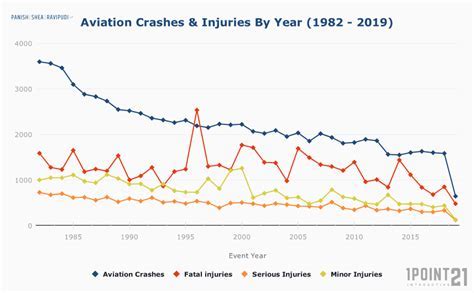
In 2025, headlines reported 67 fatalities from commercial airline accidents in the United States—a staggering jump from zero in the previous year. To the casual observer, this shift might seem alarming. However, experts caution against viewing this figure in isolation.
Kristy Kiernan, Associate Director at the Boeing Center for Aviation and Aerospace Safety, explains that annual fatality figures fluctuate wildly due to the sheer rarity of these events. “When you go from zero to one, it’s an infinite increase,” she says, stressing the importance of contextualizing raw data.
Indeed, the National Transportation Safety Board (NTSB) reports that there have only been six air carrier accidents logged so far in 2025. Not all were fatal. And crucially, these numbers exclude private or general aviation, which accounts for the bulk of aviation-related incidents every year.
Commercial vs. Private: Understanding the Categories
One of the biggest misconceptions surrounding aviation safety is the failure to distinguish between types of flight operations. Commercial aviation—defined as scheduled air carriers operating under strict federal oversight—has vastly different safety profiles compared to general aviation, which includes private pilots, charter flights, and small aircraft.
Robert W. Mann Jr., president of airline consultancy R.W. Mann and Co., emphasizes that accident rates vary dramatically by flying category. Comparing them without stratification leads to misleading conclusions.
“Your Saturday afternoon pilot has a very different operational landscape than the captain flying you from JFK to LAX,” Kiernan reiterates. This includes:
-
Stringent training protocols for commercial pilots
-
Rigorous maintenance schedules for airliners
-
Federal Aviation Administration (FAA) oversight and audits
These differences underscore why scheduled commercial air travel is statistically safer than even driving a car.
Investigating Aviation Incidents: Complexity Over Simplicity
No two aviation accidents are identical. Rarely does a single factor cause a crash. Instead, most involve a complex interplay of mechanical, environmental, and human variables.
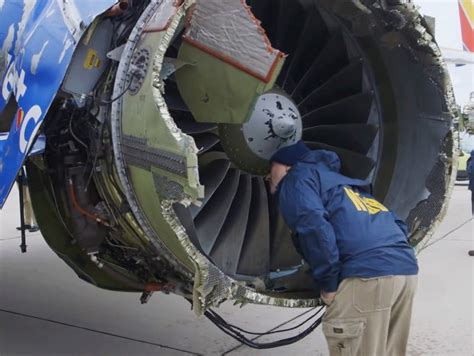
Take the 2013 Asiana Airlines crash in San Francisco, where pilot error during landing resulted in three fatalities. Or the 2018 Southwest Airlines incident, where an engine malfunction led to a cabin decompression and the tragic death of passenger Jennifer Riordan.
These events, though tragic, are outliers in a system designed around redundancy, cross-checks, and rigorous safety protocols. Each investigation feeds directly into the aviation industry’s ethos of preventive action and system-wide improvement.
The Pillars of Aviation Safety
The robustness of aviation safety stems from a multi-layered framework that integrates:
-
Just Culture Philosophy: Aviation fosters a “just culture”—one that prioritizes transparency and accountability without blame. This allows pilots and engineers to report errors without fear of punishment, leading to proactive identification of potential hazards.
-
Non-Punitive Reporting Systems: The Aviation Safety Reporting System (ASRS) operated by NASA enables anonymous reporting, turning mistakes into institutional learning tools.
-
Advanced Safety Management Systems (SMS): Airlines implement formal SMS structures to continuously evaluate risks, track incident trends, and enforce safety interventions.
-
Technological Advancements: Modern aircraft feature predictive maintenance software, onboard diagnostics, and fail-safe systems that drastically reduce failure likelihood.
-
Federal Oversight: The FAA, NTSB, and ICAO maintain rigid regulations on flight standards, inspections, and corrective action protocols.
Perception vs. Reality: The Psychology of Flying
Despite all data pointing to unparalleled safety, fear of flying remains common. This paradox is largely psychological. Aviation accidents, though rare, receive intense media coverage, heightening public anxiety. In contrast, far more frequent highway fatalities rarely receive such visibility.
Kiernan suggests that empowering passengers with knowledge can help bridge this perception gap. “Knowing how to find your nearest exit, reviewing the seatback safety card—these aren’t just formalities. They’re tools that psychologically ground you in control,” she says.
Resilience in the Face of Tragedy
Aviation safety is not immune to tragedy. Yet what sets this industry apart is its institutional memory. Lessons from every incident are rigorously documented, shared across borders, and baked into future protocols. The goal is never complacency but zero incidents—a lofty ambition that fuels the sector’s culture of continuous improvement.
Mann stresses that “you don’t stay safe without individual commitment across the system. Every pilot, every mechanic, every controller is part of the safety chain.”
The Role of Continuous Improvement
Unlike many industries, aviation sees safety as a living system, not a finished product. New technologies, updated regulations, and lessons from every incident—even minor ones—are used to recalibrate safety strategies.
Kiernan, who routinely flies with her own children, affirms this sentiment. “I do it confidently because I know the system isn’t resting on its laurels. It’s always learning.”
Some ongoing areas of development include:
-
AI-powered flight analytics for identifying high-risk trends
-
Real-time engine monitoring via satellite communications
-
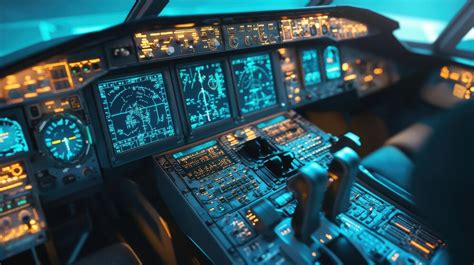
Improved human-machine interface designs in cockpit systems
These innovations promise to push aviation’s already sterling safety record even closer to theoretical perfection.
Conclusion: Yes, Airplanes Are Safe
The question “Are airplanes safe?” is best answered not by headlines, but by decades of empirical data, institutional commitment, and relentless scrutiny. Commercial aviation remains one of the safest forms of transportation ever devised.
Every component of the aviation ecosystem—from policy to practice, from cockpit to control tower—operates within a framework of trust, transparency, and tireless vigilance. It is this system, rather than luck or isolated technologies, that makes modern air travel so remarkably secure.
FAQs
Why do aviation accidents get so much media attention?
Aviation accidents are rare and often involve large numbers of people, which makes them more newsworthy than everyday incidents like car crashes. Their dramatic nature and the global reach of airlines amplify their impact in public perception.
Are smaller private aircraft less safe than commercial planes?
Yes. Private aircraft operate under less stringent maintenance and training requirements, which statistically results in higher accident rates compared to commercial aviation, which is governed by rigorous federal regulations and safety protocols.
How does the aviation industry prevent future accidents?
By adopting a philosophy of continuous improvement. Each incident, regardless of severity, undergoes thorough investigation. Findings lead to systemic changes, including revised training programs, equipment upgrades, and procedural overhauls—all aimed at eliminating future risk factors.