The United States Air Force (USAF) offers a broad range of technical specialties, but one of the lesser-known yet crucial roles is the Structural job under the Civil Engineering Squadron. Often misinterpreted as a pathway into engineering, this role leans more toward skilled construction trades than academic design. Understanding the real responsibilities and long-term potential of this job is essential for both recruits and civilian career planners.
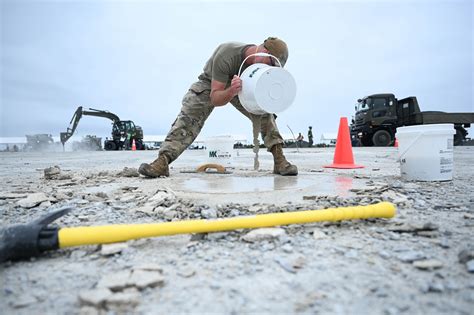
A “structural” role in the Air Force primarily refers to hands-on construction, repair, and maintenance of buildings and base infrastructure. This career field is part of the broader Civil Engineering (CE) Squadron, and it encompasses duties typically associated with carpenters, masons, welders, and general contractors rather than engineers.
While it may not involve the calculus-driven design work of licensed civil or structural engineers, it is a skilled trade offering valuable experience in real-world construction environments. Airmen in this role gain extensive knowledge in wood, concrete, masonry, and metal work, building a strong foundation for a civilian career in construction or facilities management.
Understanding the Structural Role in the Air Force
The Air Force Specialty Code (AFSC) 3E3X1 defines the structural job classification. Recruits in this role are trained to:
- Construct and repair structural frameworks made of wood, metal, or concrete.
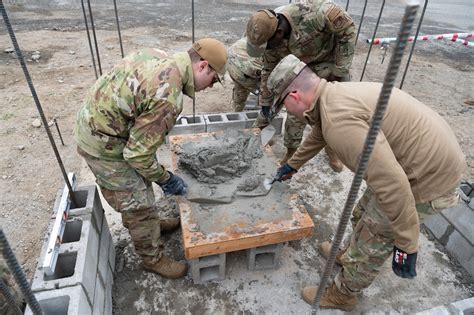
- Perform masonry work, including walls, walkways, and load-bearing structures.
- Fabricate and install roofing systems, both standard and specialized for military purposes.
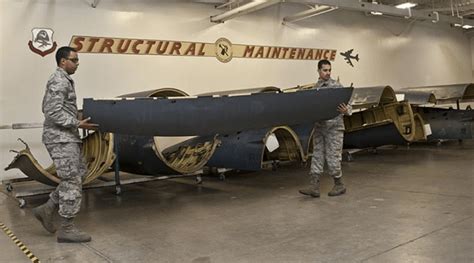
- Repair and maintain utility support systems like overhead doors and hydraulic lifts.
- Ensure environmental compliance with waste management and material handling protocols.
Unlike engineering positions that require academic degrees, structural Airmen are trained through technical schools and on-the-job experience. The tech school for this role, located at Sheppard Air Force Base in Texas, spans roughly 5 months, after which members are expected to serve a four-year active duty term.
What the Job Is—and What It Isn’t
There is a common misconception, even among new recruits, that this role involves structural engineering. However, the day-to-day tasks fall squarely into the category of skilled trades. Duties may also include janitorial responsibilities and base maintenance, as is common across all enlisted roles in support squadrons.
Many online discussions highlight this gap in understanding. One user, reflecting on personal experience, clarified that “you are most certainly not going to be doing structural engineering.” The job may include drafting responsibilities, but these are rare and dependent on assignment. For those looking to pursue an engineering career, this role may serve as a stepping stone but not a direct academic equivalent.

Technical Training and Skill Development
What distinguishes the structural job in the Air Force is the breadth of practical construction training. This is not just carpentry—it’s a comprehensive crash course in building systems, material sciences at the trades level, and blueprint reading. During tech school and base assignments, Airmen learn to:
- Use advanced power tools and heavy equipment.
- Read and interpret technical schematics and blueprints.
- Handle hazardous materials safely and responsibly.
- Work in diverse climates and operational environments, from domestic bases to overseas deployments.
These skills are invaluable for transitioning into the civilian construction sector, where former Airmen often work as contractors, project managers, or even start their own companies.
Career Progression and Civilian Opportunities
While some enter the Air Force with no intention of making it a long-term career, many find the structural field offers an appealing combination of stable employment, training, and future potential. With four years of active duty experience, veterans can transition into civilian jobs such as:
- Construction Site Supervisor
- Facilities Maintenance Technician
- General Contractor
- Building Inspector
Furthermore, thanks to military educational benefits, many choose to pursue degrees in Civil Engineering or Construction Management after their service. These degrees, paired with military experience, make for a strong resume in both public and private sector infrastructure development.

Misconceptions and Reality Checks
Forums and Reddit threads reveal a recurring theme: confusion between structural trade roles and structural engineering careers. Some believe they will walk out of their enlistment ready for a professional engineering license. In truth, becoming a licensed structural engineer requires a degree from an accredited program, passage of the FE and PE exams, and years of supervised experience.
However, that does not diminish the value of the structural role in the military. What it provides is practical training, discipline, and a strong work ethic, all of which are highly transferable. For those inclined, cross-training into other Air Force specialties, such as engineering assistant or design technician, is also possible after initial commitment.
The Long-Term Value of a Structural Role
This job may not satisfy those who aspire to dive into the theoretical world of load calculations and seismic modeling. But it excels in preparing individuals for hands-on, technically demanding careers. The Air Force pays for education, provides housing, medical benefits, and a reliable paycheck—all while teaching a skilled trade with real-world application.
Those who leverage this opportunity wisely often exit the military with GI Bill eligibility, trade certifications, and a clear path forward into construction, facility management, or even an eventual pivot to engineering via academic study. The role is also ideal for individuals who prefer working with their hands, solving tangible problems, and seeing the direct results of their efforts.

Final Thoughts: A Tactical, Not Theoretical, Path
In sum, the structural job in the Air Force is a well-rounded, trade-focused role offering solid training, meaningful work, and growth potential. It is not a shortcut to a professional engineering career—but for those seeking a skilled trade with military benefits, few options offer the same mix of discipline, technical skill, and job security.
The Air Force does not just build aircraft—it builds infrastructure, communities, and careers. The structural field is a cornerstone of that mission.