Understanding the Appeal of Airport Careers
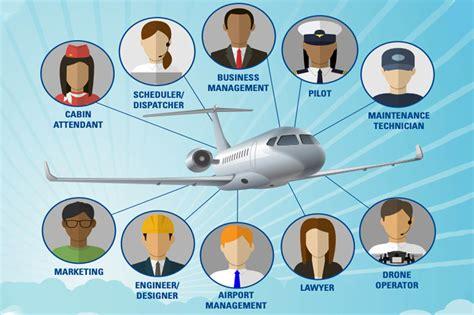
The aviation industry is a dynamic ecosystem offering a broad spectrum of career opportunities that blend customer service, technical expertise, and international exposure. Working at an airport is not only a gateway to the world but also a stable and rewarding profession. From frontline roles like flight attendants and security officers to behind-the-scenes positions in operations and air traffic control, airports present diverse pathways for career growth.
Airports are hubs of continuous activity, requiring 24/7 staffing to ensure seamless operations. This demand creates opportunities for both entry-level candidates and experienced professionals looking to pivot into aviation. Moreover, the sector emphasizes employee development, global standards, and cross-functional training, making it a fertile ground for those seeking long-term career progression.

Key Benefits of Working at an Airport
Those who land a position in an airport environment often find that the benefits extend far beyond a paycheck. The nature of the job brings with it unique perks:
-
Travel incentives: Employees of airlines and airport contractors often receive discounted or free airfare, car rentals, and hotel stays.
-
Robust benefits packages: Comprehensive healthcare, retirement contributions, and even childcare subsidies are common.
-
Cultural enrichment: Airports are melting pots where you’ll encounter travelers and coworkers from around the globe.
-
Skill development: Fast-paced interaction with the public sharpens communication, conflict resolution, and multitasking skills—highly transferrable across industries.
These advantages make airport roles especially attractive to those passionate about customer experience, global logistics, and mobility infrastructure.
Major Job Categories at Airports
Airport employment spans a wide variety of functions, both airside (operational areas) and landside (terminal and support roles). Understanding the roles available is critical in choosing the right career path.
1. Food Service Worker
Average salary: $22,930/year
These roles cater to travelers in restaurants, cafes, or kiosks across terminals. Tasks include order-taking, food prep, cleaning, and cashier operations. Working in high-traffic areas demands efficiency and diplomacy, especially during travel rush hours.

2. Retail Sales Associate
Average salary: $43,169/year
Sales associates handle point-of-sale duties, manage inventory, and assist shoppers in duty-free stores, bookstores, and travel outlets. An eye for merchandising and excellent interpersonal skills are key.
3. Transportation Security Officer (TSO)
Average salary: $37,823/year
TSOs are frontline defenders of airport security. They screen passengers and baggage, operate scanning equipment, and follow strict TSA compliance protocols. The role requires alertness, integrity, and a rigorous background check.

4. Flight Attendant
Average salary: $55,126/year
Flight attendants are trained in passenger safety, emergency procedures, and inflight hospitality. The job includes extensive travel, physical endurance, and public communication. Fluency in multiple languages is a plus.
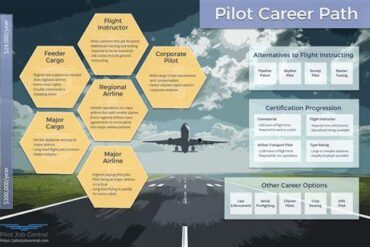
5. Airline Pilot
Average salary: $59,486/year
Pilots fly commercial aircraft and are accountable for pre-flight inspections, weather assessments, and crew coordination. This role demands extensive flight training, FAA certifications, and thousands of logged hours.
6. Air Traffic Controller
Average salary: $47,375/year
Controllers manage the safe movement of aircraft via radar and radio communication. High concentration levels, quick decision-making, and federal certification from the FAA are essential.

Step-by-Step Guide on How to Get a Job in an Airport
1. Research Qualifications and Career Paths
Before applying, it is vital to understand what credentials are necessary. Some airport roles, like janitorial staff or retail workers, are entry-level, requiring only a high school diploma. Others, such as air traffic controllers or pilots, require formal education, certifications, and sometimes federal licensing.
Check specific employer requirements, which may include:
-
TSA background checks
-
Drug testing
-
Physical fitness assessments
-
Educational transcripts or professional licenses
2. Search Strategic Job Boards and Employer Sites
Targeted searches increase your chances. Use job boards like:
-
Indeed or Glassdoor with airport-specific filters
-
Airline websites (e.g., Delta, United, Emirates)
-
Federal employment portals (for TSA or FAA roles)
Pay close attention to application deadlines and submission procedures. Many roles, especially those involving security clearance, require multi-step hiring workflows.
3. Craft a Standout Application Package
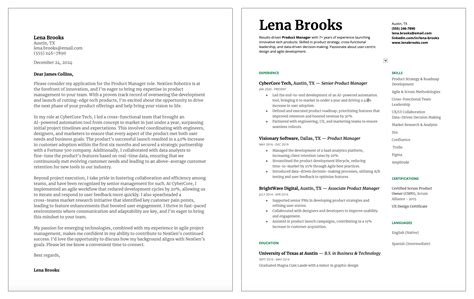
Your resume and cover letter should be tailored to reflect the skills and experience highlighted in the job description. Incorporate keywords from the listing (e.g., “passenger service,” “conflict resolution,” or “baggage handling”).
Demonstrate knowledge of the airport or airline’s mission and values. For example, emphasize your alignment with a company’s focus on customer satisfaction, operational efficiency, or safety culture.
4. Prepare for Interviews and Background Checks
Airports are sensitive security zones. Expect multiple stages of pre-employment screening, including:
-
Criminal history checks
-
Drug testing
-
Identity verification
-
Security clearance interviews (especially for TSA or customs roles)
During interviews, professionalism is non-negotiable. Dress formally, arrive early, and prepare to discuss:
-
Past experiences with high-pressure situations
-
Familiarity with customer conflict resolution
-
Willingness to work non-standard shifts, weekends, or holidays
5. Grow Key Skills and Certifications
Even if you meet baseline requirements, continuing to refine your competencies boosts your chances. Consider:
-
Customer service training
-
CPR or first aid certification
-
Multilingual proficiency
-
FAA-approved courses (for technical roles)
Volunteering at travel events or hospitality expos can also signal industry engagement and add practical experience.
Tips for Gaining an Edge in the Airport Job Market
-
Activate your network: Let friends and family know you’re pursuing airport employment. Referrals matter.
-
Secure references early: Ideal referees include past managers, instructors, or colleagues familiar with your work ethic.
-
Stay observant during travel: Pay attention to the behavior and responsibilities of airport employees. It provides real-world insight and discussion material during interviews.
-
Demonstrate flexibility: Be open to night shifts, weekend rotations, and seasonal work. Schedules are rarely fixed in aviation.
-
Practice interview skills: Roleplay mock interviews to practice clear, professional responses that highlight problem-solving and teamwork.

Frequently Asked Questions (FAQ)
What is the easiest job to get at an airport?
Entry-level roles such as food service workers, cleaning staff, or retail sales associates are generally easier to obtain, requiring minimal prior experience. These roles can serve as stepping stones to more specialized positions.
Do I need a degree to work at an airport?
Not necessarily. While roles like air traffic controllers or pilots require formal education and licensing, many jobs—like customer service agents or baggage handlers—require only a high school diploma or equivalent.
How long does the airport hiring process take?
Due to security clearances and background checks, the process can take anywhere from two weeks to several months, especially for positions with the TSA, customs, or airlines. Timelines vary by role and jurisdiction.