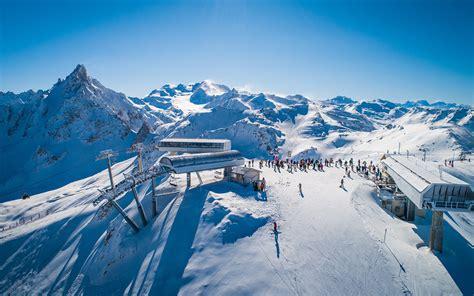
Courchevel, located at the heart of the Three Valleys, is one of the most prestigious ski destinations in the world. Whether you are traveling internationally or from within Europe, getting to Courchevel offers a range of possibilities, each tailored to different needs, budgets, and environmental considerations.
Nestled within a web of accessible airports, train routes, and scenic drives, reaching Courchevel is more straightforward than it may initially seem. We will now explore each method in depth.
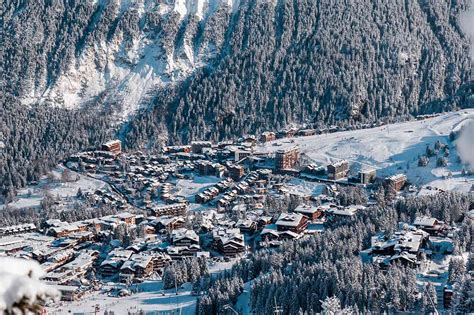
Flying to Geneva: The Preferred Gateway to Courchevel
Geneva International Airport remains the premier choice for travelers seeking a smooth journey to Courchevel. Offering a multitude of international flights daily, Geneva ensures swift accessibility to the French Alps. Once landed, the transfer to Courchevel spans approximately 2 hours and 30 minutes by private car or shuttle service. Car rentals are readily available at the airport, allowing for immediate departure towards the resort.
However, flying comes with a notable environmental impact. Those conscious of their carbon footprint might consider alternative transport methods for a greener journey.
Alternative Airports: Chambery, Lyon, and Grenoble
For travelers unable to secure flights into Geneva, other airports offer viable alternatives:
- Chambery Airport: Closest to Courchevel, only 1 hour 30 minutes by road. However, its smaller size means fewer flight options.
- Lyon-Saint Exupéry Airport and Grenoble Airport: Both approximately 2 hours 15 minutes from Courchevel by transfer. They provide broader airline access, albeit with a slightly longer travel time.
It is advisable to avoid flying into Turin or Milan, despite their apparent proximity. Transfer times from these cities often stretch far longer due to complex terrain and the necessity of private transport.
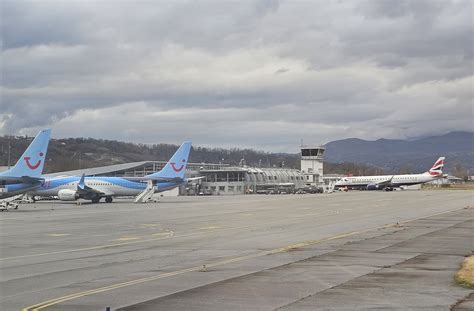
Transfers from the Airport to Courchevel
Upon arrival, several transfer options are available:
- Private transfers: Offering the quickest, most direct service.
- Shared shuttles: More economical, though they may involve waiting times.
- Bus services: Regular buses operate during winter, particularly from Chambery and Grenoble, usually requiring a change at Moûtiers.
Estimated journey times include:
- Chambery: 1h30 by direct transfer, 2h40 by bus.
- Geneva: 2h30 by transfer.
- Grenoble: 2h30 by bus, 1h45 by transfer.
- Lyon: Approximately 3h40 by bus with a transfer.
Arriving by Train: The Eco-Friendly Alternative
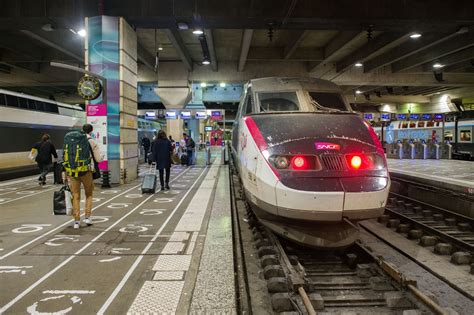
Train travel to Courchevel stands out as the most environmentally sustainable option. Although Courchevel does not have its own train station, Moûtiers-Salins-Brides-les-Bains Station lies just 24 kilometers away. From there, a bus or taxi completes the ascent to the resort in about one hour.
Key advantages of train travel include:
- Greater legroom compared to airplanes or cars.
- No additional charges for luggage.
- Comparable journey times to flying or driving.
High-speed TGV trains from Paris and the Eurostar Snow Train from London both serve Moûtiers, making it a highly accessible choice. Londoners can expect a total journey time of approximately 11 hours by rail.
Driving to Courchevel: Scenic, But Challenging
Driving offers the freedom of flexible travel times and routes. Courchevel is easily reachable via France’s extensive autoroute network up to Moûtiers. Beyond Moûtiers, the final 25-kilometer ascent becomes markedly more challenging, featuring sharp twists and steep climbs.
Winter travel necessitates certain preparations:
- Mandatory winter tires or snow chains.
- Familiarity with mountain driving, especially during snowstorms.
From Calais, the drive to Courchevel covers roughly 920 kilometers and takes about 9 hours and 30 minutes. However, unless utilizing an electric vehicle, this method significantly increases one’s environmental footprint.
Parking within Courchevel is well-organized, with various free and paid options available, and the resort’s internal shuttle system minimizes the need for a car during your stay.
Coaches to Courchevel: Budget-Friendly and Greener
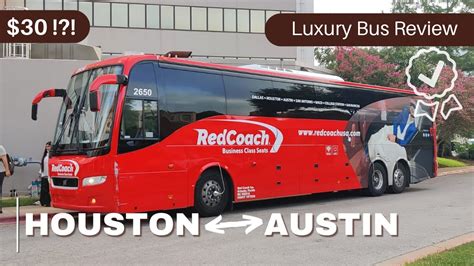
Long-distance coach travel to Courchevel is a cost-effective and environmentally considerate method. International companies such as FlixBus, Eurolines, BlaBlaBus, and RegioJet operate services to major nearby cities including Lyon, Grenoble, and Geneva. From these hubs, connecting buses bring passengers the final leg to Courchevel.
Notably, an overnight direct coach from London operates weekly during the winter season, terminating at Moûtiers. Travelers then transfer onto a local bus to complete the journey.
Total travel time from London is approximately 20 hours and 15 minutes.
Reducing Your Environmental Impact When Traveling to Courchevel
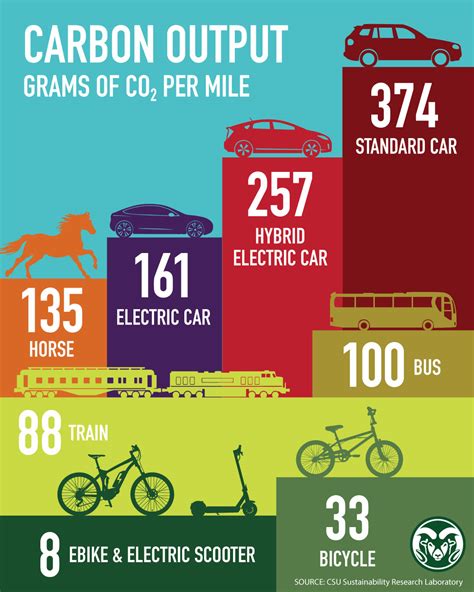
We encourage all visitors to consider the environmental implications of their travel choices. Although flying is often the quickest, it also has the highest carbon emissions per kilometer.
A comparative look at CO2 emissions per kilometer per person:
- Train: 6 grams
- Electric car (four passengers): 13 grams
- Coach: 28 grams
- Diesel car (four passengers): 43 grams
- Petrol car (four passengers): 48 grams
- Flying: 156 grams
Opting to travel by train or coach drastically reduces your carbon footprint. Alternatively, a hybrid journey—taking the train to Geneva followed by a transfer—balances convenience and environmental responsibility.
Conclusion: Choosing the Best Route to Courchevel
Reaching Courchevel is a journey that can be as luxurious or as eco-conscious as you choose. Flying to Geneva offers unmatched convenience, while train travel to Moûtiers champions sustainability without sacrificing comfort. Driving provides scenic vistas and flexibility but demands careful planning in winter conditions. Coach services balance affordability and environmental responsibility, ideal for budget-conscious adventurers.
Ultimately, the best way to reach Courchevel depends on your priorities—be it speed, cost, convenience, or environmental stewardship. No matter the route you take, the breathtaking beauty of Courchevel awaits at the end of the journey.