When we step off a commercial flight, it’s easy to marvel at the scale of aviation technology. Yet behind every smooth landing lies an intricate system of checks, maintenance schedules, and wear assessments. One seemingly simple question, like “how often do they change the brakes on a commercial aircraft?,” opens the door to a complex world of operational variables, safety protocols, and engineering marvels. In this article, we explore in detail how airlines determine brake replacement intervals, what factors influence brake wear, and why there’s no single fixed answer.
Understanding Aircraft Brake Systems
The brakes on a commercial airliner are vastly different from those on a car. Aircraft brakes are engineered to stop hundreds of thousands of pounds moving at landing speeds between 120 and 160 knots, often within runways less than 10,000 feet long. They are typically constructed from carbon composite materials or steel, depending on the aircraft type and airline specifications.
Aircraft brakes operate under extreme heat and pressure. During a landing, especially a high-speed or short-runway touchdown, brake temperatures can soar past 1,000 degrees Fahrenheit. As such, the materials must withstand not only frictional wear but also thermal cycling and mechanical stress.
Brake Replacement: Not Scheduled, But Condition-Based
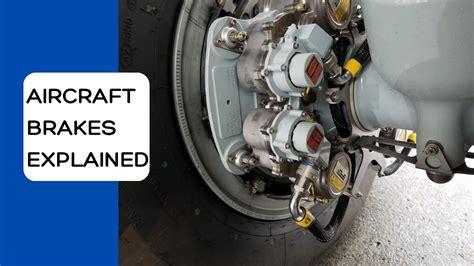
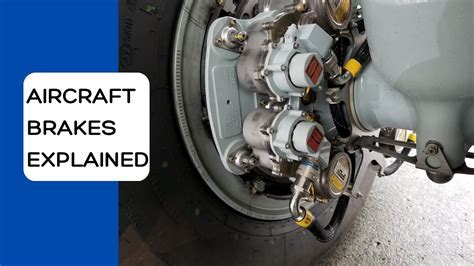
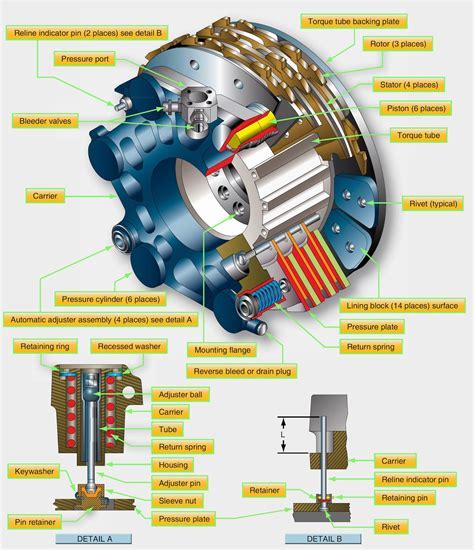
Unlike cars, aircraft brakes are not replaced on a fixed mileage or flight-hour schedule. Instead, they are maintained under what is known as “on-condition maintenance.” This approach relies on wear indicators, commonly in the form of wear pins or measurement tools, that show how much usable material remains on the brake pads.
Every time an aircraft undergoes a pre-flight or post-flight inspection, mechanics visually assess these indicators. If the wear pin is nearing the threshold defined in the Aircraft Maintenance Manual (AMM), the brake is scheduled for replacement, often coordinated during an overnight maintenance window or a scheduled check to avoid disrupting operations.
This means a brake could last anywhere from a few weeks to several years, depending entirely on operational factors.
Key Factors Affecting Brake Life
The lifespan of aircraft brakes varies widely, influenced by several variables:
- Landing Frequency (Cycles): Aircraft that perform frequent short-haul flights—like a Boeing 737 making multiple hops between regional airports—will rack up landing cycles faster than a long-haul Airbus A350 crossing oceans. Each landing cycle involves a full braking event, incrementally wearing down the brake assembly.
- Runway Length and Conditions: Shorter runways necessitate heavier braking to decelerate within the available distance. Wet or contaminated runways may also require more brake pressure or anti-skid interventions, both of which increase wear.
- Pilot Technique: Some pilots rely more heavily on thrust reversers (which use engine power to slow the aircraft) versus brakes. Others may favor manual braking earlier in the deceleration phase. This variation in operational style directly affects brake wear rates.
- Rejected Takeoffs (RTOs): Perhaps the harshest event for brakes, an RTO at or near V1 speed—the decision speed to abort takeoff—places maximum stress and heat load on the braking system. A single high-energy RTO can dramatically reduce brake life or require immediate replacement.
- Brake Material Type: Airlines operating modern aircraft are increasingly using carbon brakes, such as those produced by Safran, which can endure 2,000–2,500 landing cycles per overhaul, depending on the aircraft model. In contrast, older steel brakes offer roughly half that lifespan.
Examples by Aircraft Type
Data from industry sources indicate typical averages:
- Boeing 737 (Carbon Brakes): \~2,200 landings per overhaul
- Airbus A320neo: \~2,500 landings per overhaul
- Airbus A350: \~2,000 landings per overhaul
- Older steel brakes (various models): \~1,000–1,200 landings per overhaul
For context, a 737 flying 6 legs per day (common in domestic operations) might wear out a set of brakes in 1 year or less, whereas a long-haul A350 flying one leg per day could stretch that same number over 5 years.
Daily Inspections: The First Line of Defense
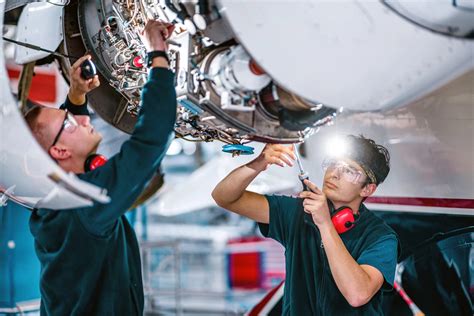
Every day, licensed mechanics walk around each aircraft during routine inspections. Part of their visual check includes examining the brake wear pins protruding from the assembly. If these pins have receded to a predetermined point—or are flush with the housing—this signals that brake replacement is imminent.
It’s worth noting that even with daily checks, brake replacements are carefully planned to align with flight schedules, maintenance windows, and fleet availability. Airlines strive to avoid unscheduled groundings, so predictive maintenance tools and historical data are leveraged to forecast brake life.
Why There’s No One-Size-Fits-All Answer
A common misconception is that brakes are replaced on a fixed calendar basis, similar to tire rotations or oil changes in personal vehicles. The reality is far more nuanced. For example, a 737 shuttling between island airports in Hawaii, making 12 landings per day, will wear through brakes significantly faster than a freighter 747 crossing the Atlantic once daily.
In heavy-use scenarios like regional jets or aircraft operating at airports with short, high-temperature runways, brake changes may occur every few weeks. Conversely, under light, long-haul usage, a brake set may last several years before needing replacement.
Cost Implications of Brake Replacement
Brake replacements are not trivial in cost. Depending on the aircraft model, a single brake unit can cost tens of thousands of dollars. For example, replacing all eight brakes on a Boeing 777 could easily exceed \$100,000, factoring in parts and labor.
However, carbon brakes—while more expensive upfront—offer longer service intervals, reduced weight (improving fuel efficiency), and better heat performance than traditional steel brakes. This is why most airlines have shifted toward carbon braking systems for modern fleets.
The Human Factor: Pilot Behavior Matters
Interestingly, pilot habits significantly influence brake longevity. Some pilots use reverse thrust aggressively to reduce brake use, while others prefer manual braking to slow the aircraft. Airline operating procedures and even airport traffic control instructions (like expedited runway exit requests) can inadvertently shorten brake life by increasing reliance on braking over reversers.
Additionally, some aircraft models—like the MD-80 series—had less effective thrust reversers, placing more braking responsibility on the wheels. In contrast, newer designs incorporate improved brake cooling systems and autobrake modes to optimize performance and reduce wear.
What Happens When Brakes Fail or Reach Limits?
Fortunately, aircraft are equipped with multiple redundant braking systems. If a brake assembly fails or is nearing its wear limit, it’s identified well before operational safety is compromised. Regulations require brakes to meet certified minimum performance standards even at end-of-life wear conditions.
In scenarios like a rejected takeoff at maximum gross weight, airlines may automatically replace brakes post-event regardless of measured wear due to the extreme heat generated during the stop.
Conclusion: It Depends on the Mission
In summary, the question of how often commercial aircraft brakes are replaced doesn’t have a universal answer. It depends on:
- Aircraft type and brake material
- Flight frequency (landing cycles)
- Runway lengths and conditions
- Pilot braking habits
- Specific operational demands (e.g., short-haul vs. long-haul)
Ultimately, aircraft brakes are replaced when needed, as determined by daily inspections and wear measurements—a system designed to balance safety, cost, and operational efficiency.
The next time we step off a plane, we can appreciate that beneath our feet, a meticulously maintained braking system has performed flawlessly—thanks to the skill of mechanics, the precision of engineers, and the vigilance of daily inspections that ensure every landing remains safe.