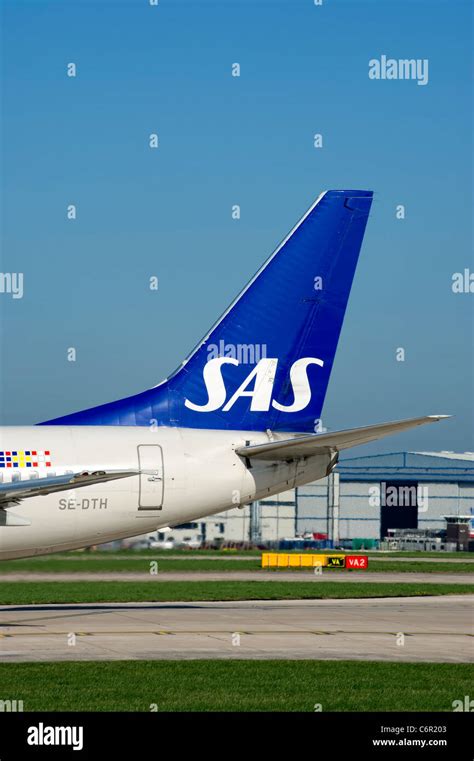
Scandinavian Airlines, more commonly known as SAS (SK), stands as a titan in Northern European aviation, proudly serving as the flag carrier for Denmark, Norway, and Sweden. With its primary hub at Copenhagen-Kastrup Airport (CPH) and significant operations from Stockholm Arlanda (ARN) and Oslo Gardermoen (OSL), SAS has woven an extensive network connecting Scandinavia to the world. The airline boasts a history steeped in cooperative Scandinavian spirit, aiming to deliver reliable and quality air travel. As a long-standing member of the prestigious Star Alliance, SAS offers its passengers global reach through partnerships and codeshare agreements with approximately 25 other airlines, extending its network to around 100 destinations across Scandinavia, Europe, the Middle East, Asia, and North America. Understanding the passenger experience with SAS requires a comprehensive look beyond the routes and alliances, delving into the nuances of its service, fleet, and the candid feedback of those who have flown its skies. This article provides an exhaustive analysis of SAS flights and reviews, offering a detailed perspective for prospective travelers and aviation enthusiasts alike.
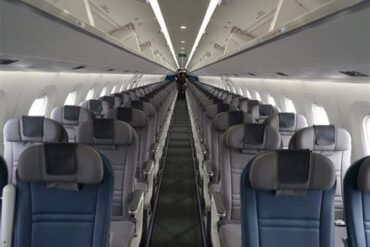
The SAS fleet is designed to cater to a diverse range of travel needs, featuring several configurations tailored to route length and service class. Within Europe, passengers typically encounter a two-class configuration: SAS Go, the airline’s economy class, and SAS Plus, its premium economy offering. For long-haul international journeys, SAS expands its cabin options to include SAS Business, providing a top-tier experience alongside SAS Plus and SAS Go. This multi-tiered approach aims to provide choices for different budgets and comfort preferences, from the no-frills efficiency sought by some intra-European travelers to the luxurious amenities expected on intercontinental flights. The airline’s commitment to a modern fleet and varied service classes is central to its brand identity, but the true measure of its success lies in the consistent delivery of a positive passenger experience, an area where reviews often paint a complex picture.
An examination of passenger feedback, particularly the extensive collection of over 11,000 reviews on platforms like Tripadvisor, reveals an overall rating of 3.5 out of 5 for SAS. This score, while indicating a generally satisfactory performance, also hints at areas of inconsistency. The distribution of these ratings is telling: approximately 27% of reviewers rate SAS as ‘Excellent’ and around 30% as ‘Good’, signifying that a substantial portion of travelers have positive experiences. However, ‘Average’ ratings account for about 16%, while ‘Poor’ and ‘Terrible’ reviews make up a combined 26%, highlighting significant room for improvement in certain aspects of their service. Popular mentions within these reviews frequently highlight elements such as Copenhagen Airport (CPH) and Arlanda (ARN) as key transit points, the provision of coffee and tea onboard, and for eligible passengers, lounge access. These details provide a glimpse into the everyday operational touchpoints that shape passenger perception.
Deconstructing the SAS Onboard Experience: Cabins and Comfort
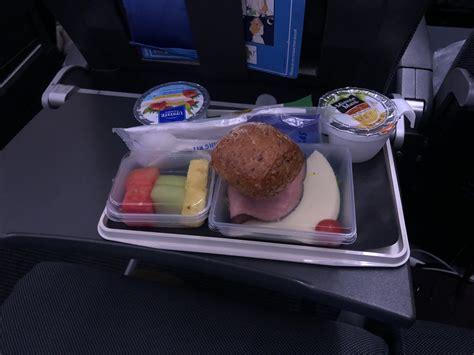
The journey with SAS begins with the selection of a travel class, each promising a distinct level of comfort and service. SAS Go, the economy class, forms the backbone of the airline’s offering, particularly on its extensive European network. Passengers in SAS Go can generally expect standard seat pitch and width, though perceptions of legroom and seat comfort vary significantly among reviewers. While some find the seating adequate for shorter flights, others report feeling cramped, especially on longer sectors or by taller individuals. Basic amenities often include complimentary coffee and tea, a nod to Scandinavian hospitality. However, other food and beverage options typically come at an additional cost. In terms of in-flight entertainment, the availability of WiFi, TV, and movies can differ by aircraft type and route. Some aircraft are equipped with USB ports for charging personal devices, a welcome feature for modern travelers. WiFi, when available, often incurs a fee for SAS Go passengers.
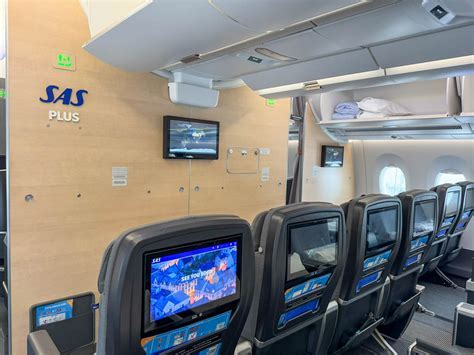
Stepping up to SAS Plus offers a notably enhanced experience, particularly valued on longer European routes and as a comfortable alternative on intercontinental flights. SAS Plus passengers benefit from increased legroom, wider seats, and often, a more generous recline. Food and beverages are typically inclusive in SAS Plus, with meals often being more substantial than the buy-on-board options in SAS Go. Additional perks frequently include lounge access at select airports, priority boarding, and a more generous baggage allowance. For many travelers, the upgrade to SAS Plus represents a worthwhile investment for the added comfort and convenience, particularly when factoring in the bundled amenities. The overall experience in SAS Plus tends to garner more consistently positive remarks regarding seat comfort and onboard service compared to SAS Go.
For the premium intercontinental traveler, SAS Business Class aims to deliver a truly luxurious experience. This cabin typically features lie-flat seats, ensuring passengers can arrive at their destination well-rested. The culinary offering is significantly elevated, with multi-course meals often curated by renowned chefs and paired with a selection of fine wines and beverages. A comprehensive in-flight entertainment system with large personal screens, noise-canceling headphones, and a wide array of movies, TV shows, and music is standard. Amenity kits, priority check-in, boarding, and baggage handling, along with dedicated lounge access, complete the SAS Business Class offering. While generally well-received for its hard product, particularly the comfort of the seats and quality of meals, even this premium class is not immune to criticisms, occasionally related to service consistency or specific aircraft configurations.
Across all classes, cleanliness is a factor frequently commented on by passengers. While many reviews indicate satisfaction with the cleanliness of the aircraft cabins and lavatories, there are occasional reports of lapses, which can significantly detract from the overall passenger experience. The provision of USB ports is becoming increasingly standard, especially on newer or refurbished aircraft, and is a highly appreciated feature. The availability and reliability of WiFi remain a mixed bag according to reviews; while some passengers report good connectivity, others find it slow, unreliable, or overpriced, particularly in SAS Go.
Navigating SAS Customer Service: A Spectrum of Experiences
Customer service is a critical touchpoint in the airline industry, and for SAS, passenger feedback reveals a broad spectrum of experiences, ranging from commendable to deeply frustrating. On the positive side, numerous travelers praise the professionalism and friendliness of SAS cabin crew. Specific mentions, like the crew members Michael and Lucy who provided “banter” and “made the journey just that little more special” on an Oslo to Manchester flight, highlight the significant impact that attentive and engaging staff can have. These instances of nice staff and good service onboard contribute significantly to positive flight memories and airline loyalty. Such interactions suggest that SAS possesses a capable and personable frontline team capable of delivering excellent service.
However, a considerable number of reviews paint a different picture, particularly when issues arise that require ground staff or remote customer service intervention. Common complaints include difficulties with lost luggage, as exemplified by a traveler whose bag was lost on a Bangkok to Vilnius flight and delivered only after four days, with the passenger feeling the airline’s apology was insufficient. Another passenger flying from Oslo to London reported a distressing experience, claiming a lack of compassion when requesting water for medication and, more seriously, the loss of a passport believed to have been left on the seat, with a feeling that their concerns were dismissed, potentially due to racial bias. These are serious allegations that underscore the need for consistent empathy and thoroughness in customer interactions.
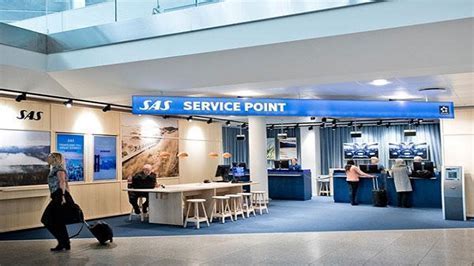
Further frustrations emerge in reviews detailing unresponsive or unhelpful customer service when dealing with flight disruptions, rebooking requests, or refund claims. One passenger, whose Athens to Copenhagen flight was delayed by 1.5 hours causing a missed connection, reported receiving “wrong info” from customer service and encountering issues with the mobile app when submitting a complaint. Another traveler described SAS customer service as virtually non-existent, with “no phone or chat” options when problems arose with a Delta partner flight, leading to unexpected baggage fees and a feeling of being an “annoying child.” These accounts point to systemic challenges in accessibility and effectiveness within SAS’s customer support channels, leading to significant passenger dissatisfaction.
The SAS EuroBonus Program: Loyalty Tested
The SAS EuroBonus program is the airline’s loyalty scheme, designed to reward frequent flyers with points, tier benefits, and exclusive offers. However, reviews suggest that the program itself can be a source of frustration for its members. A recurring complaint involves missing points, with passengers finding that flights, even those operated by SAS and booked on the SAS website, do not always credit points correctly. One reviewer detailed receiving 700 fewer points than entitled on three separate flights and facing a seven-week ordeal of phone calls and emails to get the issue acknowledged, only for the points to still not be credited despite confirmation. This experience led the reviewer to conclude that “SAS’s system knowingly miscalculates points” and that “Gold customer service and EuroBonus support are unreliable and often unresponsive.”
Another traveler echoed this sentiment, describing “predatory ‘errors’ and web design” after only receiving EuroBonus points for two out of four SAS-operated flights. The process for claiming missing points was also criticized as overly complicated, requiring “ridiculous details such as booking class (A-Z?)” instead of relying on simpler identifiers like ticket or booking numbers. Such experiences undermine the perceived value of the loyalty program and can erode the trust of even the most loyal customers. For an airline relying on repeat business, particularly from frequent Scandinavian travelers, ensuring the smooth and fair operation of its EuroBonus program is paramount. The reported difficulties suggest a need for systemic review and improvement in how EuroBonus points are tracked, credited, and disputed.
Operational Performance: Punctuality and Handling Disruptions
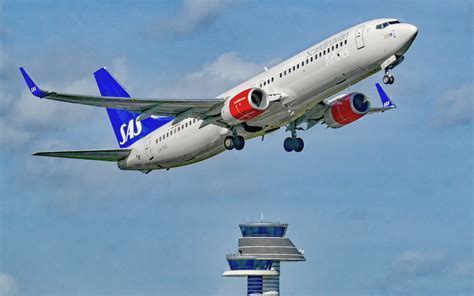
An airline’s reliability is a cornerstone of passenger trust, and SAS’s performance in this area, according to reviews, is inconsistent. While many flights operate as scheduled, there are notable accounts of significant delays and cancellations. One passenger reported their Copenhagen to Reykjavik flight being “canceled/delayed 8 hours” and changed to a night flight with a cheaper rate, leading to a “bad experience.” Such disruptions not only inconvenience passengers but can also have cascading effects, particularly for those with connecting flights or tight schedules. The manner in which SAS communicates and manages these disruptions is crucial. Some reviews suggest that information during delays can be lacking or inaccurate, further exacerbating passenger frustration.
The process for obtaining compensation or rebooking assistance during disruptions also draws criticism. Passengers expect clear communication, proactive solutions, and fair treatment when their travel plans are upset due to airline-related issues. When these expectations are not met, the negative impact on the airline’s reputation can be substantial. For an airline operating in a region known for its efficiency, like Scandinavia, maintaining a high level of operational reliability and effective disruption management is especially important.
Assessing Value: Ticket Prices and Perceived Worth
The question of value for money is subjective but central to passenger satisfaction. SAS positions itself as a full-service carrier, and its ticket prices generally reflect this. However, reviews indicate a mixed perception of whether the cost aligns with the value received. Some passengers, particularly those who have a smooth journey and positive interactions with crew, may feel they received good value. Others, especially those encountering service failures, disruptions, or unexpected costs, express disappointment.
A specific point of contention for some travelers is the SAS Go Pro ticket. One passenger detailed purchasing this supposedly “rebookable and refundable” ticket for a Copenhagen to Bangkok flight, paying an extra €170 for flexibility. However, when attempting to change the return flight, they were quoted an “exorbitant €1200” and offered only an €84 refund for the return leg (worth €450) because the outbound flight had been taken. The passenger criticized the lack of transparency regarding this policy, stating it was “nowhere to be found on the website.” This highlights the importance of clear and easily accessible terms and conditions for all fare types to avoid misunderstandings and accusations of misleading information.
Comparisons with other airlines, such as the suggestion to “better fly with LOT” by one disgruntled SAS passenger, indicate that travelers are actively weighing their options. Incidents like being charged extra baggage fees on a Delta partner flight, with SAS allegedly offering no assistance because “they did not sell you the ticket,” further complicate the value proposition, especially for itineraries involving codeshare partners. These experiences suggest that while SAS may offer competitive fares at times, the overall value can be significantly diminished by service shortcomings or inflexible policies.
The Booking and Pre-Flight Journey with SAS
The passenger experience begins long before boarding the aircraft, starting with the booking process and pre-flight interactions. The SAS website and mobile app are key tools in this phase. While generally functional, some users report issues, such as the app “lagging when you submit a complaint.” The clarity of information, particularly concerning fare rules, baggage allowances (especially with partner airlines), and ancillary service costs, is crucial. As seen with the SAS Go Pro ticket issue, ambiguity in terms and conditions can lead to significant post-booking problems and financial disappointment for travelers.
The check-in and boarding processes are generally efficient at SAS’s main hubs like Copenhagen (CPH) and Stockholm Arlanda (ARN), benefiting from modern airport infrastructure. However, the overall experience can be affected by queues, gate changes, or the clarity of boarding announcements. For passengers with specific needs, such as those traveling with pets, clear and accurate information from the outset is vital. One review detailed a frustrating experience where a passenger confirmed with SAS that their planes accept large dogs in cargo before booking, only to be told after booking that “no flights ever take dogs in cargo.” This misinformation led to a request for a refund, which was reportedly met with only a partial tax refund offer, causing considerable financial loss and frustration for the traveler.
SAS: A Concluding Perspective on the Scandinavian Carrier
Scandinavian Airlines (SAS) holds a significant position in the aviation landscape, connecting Scandinavia with the world and embodying a legacy of regional cooperation. The airline offers a tiered product range designed to meet diverse traveler needs, from the functional SAS Go to the premium SAS Business class. Its membership in the Star Alliance undoubtedly enhances its global appeal and connectivity. However, the passenger experience, as reflected in a multitude of reviews, is a complex tapestry of commendable highs and concerning lows. While many travelers appreciate the professionalism of the cabin crew, the convenience of its hubs, and certain onboard amenities like complimentary coffee and tea or the comfort of SAS Plus, there are persistent challenges that temper the airline’s overall standing.
Recurring themes in negative feedback point towards inconsistencies in customer service, particularly in handling complaints, disruptions, and issues with the EuroBonus loyalty program. Problems with lost luggage, difficulties in rebooking or obtaining refunds, and a perception of unresponsive or unhelpful ground support contribute significantly to passenger dissatisfaction. Operational reliability, while generally adequate, is marred by reports of significant delays and cancellations that are not always managed with the expected level of pro-active communication and passenger care. The perceived value for money can also be a point of contention, especially when unexpected fees arise or when the service delivered does not meet the expectations set by the ticket price or fare rules, as highlighted by experiences with SAS Go Pro tickets or pet travel policies.
For travelers considering SAS, it is advisable to weigh the convenience of its network and the potential for a pleasant onboard experience against the reported risks of service inconsistencies and challenges in problem resolution. Booking directly through SAS and thoroughly understanding the terms and conditions of the chosen fare class is crucial. While SAS has the potential to offer a truly Scandinavian standard of excellence, achieving greater consistency across all touchpoints of the passenger journey, from booking and ground services to in-flight experience and post-flight support, remains a key area for focused improvement. Ultimately, SAS presents a mixed proposition: an airline with a strong network and a capable core product, yet one that must diligently address its service vulnerabilities to consistently meet and exceed the expectations of the modern global traveler.