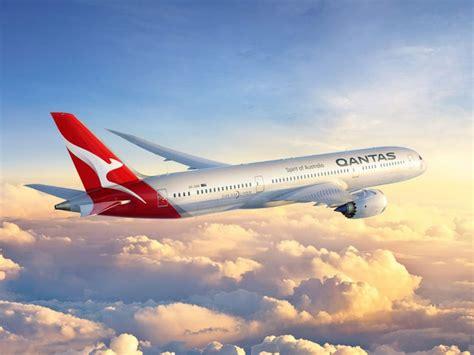
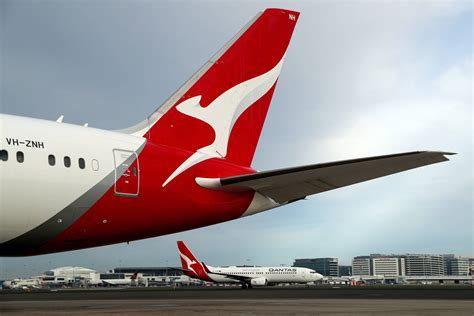
Qantas, the renowned flag carrier of Australia, often affectionately known as the ‘Flying Kangaroo,’ holds a significant place in global aviation history. With a legacy stretching over a century, Qantas (QF) has evolved from its humble beginnings in the Queensland outback to become a major international airline, synonymous with Australian identity and long-haul travel. Understanding the passenger experience aboard Qantas flights requires a comprehensive examination of its services, aircraft, and, most importantly, the feedback from those who have flown with them. This article delves deep into Qantas reviews, exploring the highs and lows of flying with this iconic airline, aiming to provide a detailed perspective for prospective travelers and aviation enthusiasts alike.
The Enduring Legacy of Qantas: Pioneering Australian Skies
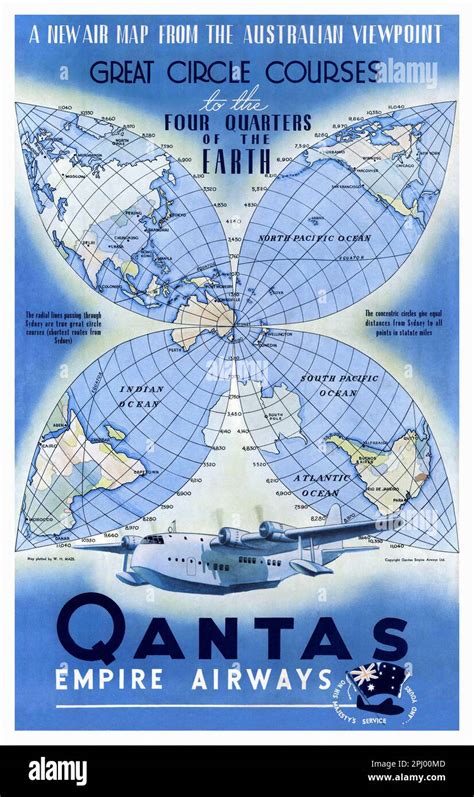
Founded in Winton, regional Queensland, in 1920 as Queensland and Northern Territory Aerial Services Limited, Qantas is one of the world’s oldest continuously operating airlines. Its early years were characterized by pioneering mail and passenger routes across the vast, challenging Australian landscape, playing a crucial role in connecting remote communities. Over the decades, Qantas has been at the forefront of aviation innovation, consistently expanding its reach and capabilities. From its early biplanes to embracing the jet age and introducing ultra-long-haul flights, the airline has cemented its reputation for operational excellence and, notably, an impeccable safety record, a point frequently highlighted by passengers and aviation experts. This rich history has contributed to Qantas becoming more than just an airline; it’s an integral part of Australia’s national story and a powerful global brand. The airline’s journey reflects the evolution of air travel itself, adapting to global events, technological advancements, and shifting passenger expectations, all while maintaining its distinctive Aussie spirit.
The Modern Qantas Group: A Diversified Aviation Powerhouse
Today, the Qantas Group is a multifaceted global aviation business headquartered at 10 Bourke Road, Mascot, New South Wales. Its operations extend far beyond simple passenger transport. The group encompasses Qantas regional services, connecting smaller towns and cities across Australia; robust domestic operations, which form a critical part of Australia’s transport infrastructure; and extensive international services, linking Australia to key destinations across Asia, Europe, the Americas, and Africa. A significant component of the Qantas Group is Jetstar, its wholly-owned low-cost carrier, designed to compete in the budget travel market both domestically and internationally. Furthermore, Qantas Loyalty stands as Australia’s largest frequent flyer program, boasting over 12 million members who avidly collect and redeem frequent flyer points. In total, the Qantas Group operates an impressive schedule of more than 7,300 flights each week. As a prominent member of the oneworld airline alliance, Qantas, together with its codeshare partners, offers passengers access to a vast network of over 1,000 destinations worldwide, underscoring its significant global footprint. This intricate structure allows Qantas to cater to a wide spectrum of travelers, from budget-conscious holidaymakers to premium business passengers.
Deconstructing the Qantas Onboard Experience: Insights from Traveler Reviews
An airline’s reputation is significantly shaped by the firsthand experiences of its passengers. With over 21,634 reviews on platforms like Tripadvisor, yielding an average rating of 3.5 out of 5, the Qantas experience is clearly a mixed bag, with moments of brilliance often juxtaposed with areas needing improvement. These reviews, a valuable resource, paint a detailed picture of what travelers can expect.
Legroom and Seat Comfort: A Tale of Two Cabins (and Aircraft)
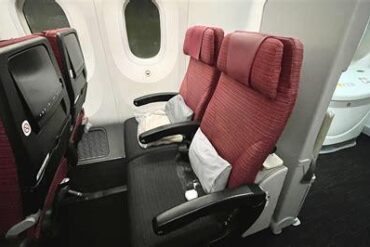
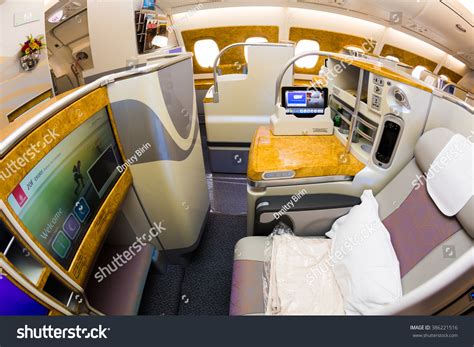
Passenger feedback on legroom and seat comfort varies considerably, often depending on the class of travel and the specific aircraft. For instance, Michael M’s review of a Sydney to Los Angeles flight highlights the Qantas A380 in Business Class as an “excellent choice for a long-haul flight,” praising the “relatively private, very comfortable” seats with “plenty of room for both sitting and sleeping.” This sentiment is often echoed by premium cabin travelers who appreciate the enhanced space and amenities. However, experiences in Economy Class, sometimes dubbed “cattle class” by reviewers, can be less favorable. Some passengers report adequate comfort for the price, while others find the seating cramped, particularly on older aircraft or longer flights. A review by Freedom59663560032, despite being in Business Class, mentioned a broken seat that “would not recline or incline without me standing up,” indicating that even premium experiences can be marred by maintenance issues. Domestic flights, like the Brisbane to Sydney route on a Boeing 737-800 reported by Evan L, can offer “very soft” seats, even in economy. The type of aircraft, such as the Dreamliner or the flagship A380, often dictates the modernity and comfort of the seating arrangements, with newer planes generally offering improved ergonomics and space.
In-Flight Entertainment (IFE): Hits and Misses
The quality and availability of in-flight entertainment (WiFi, TV, movies) are critical components of the passenger experience, especially on long-haul routes that Qantas is famous for. Reviews present a spectrum of experiences. Some passengers enjoy the selection of movies and TV shows, finding it sufficient to pass the time. However, Farzaneh R described an “unbelievably poor entertainment service” on a Sydney to Denpasar flight, coupled with an “old aircraft.” This suggests that the IFE system’s quality can be inconsistent across the fleet. On shorter domestic routes, such as Evan L’s flight from Brisbane to Sydney on a Boeing 737-800, there was “no TV”; however, this was compensated by “fast free WIFI” and the provision of free headphones for an armrest music channel, a thoughtful touch. The mention of iPads in popular search terms suggests that Qantas might offer tablet-based entertainment on some flights or in certain classes, potentially as a supplement or replacement for seatback screens. For many, a reliable and engaging IFE system is crucial for mitigating jet lag on extensive journeys, such as flights from Australia to Europe or North America.
Food and Beverage: Culinary Journeys in the Sky?
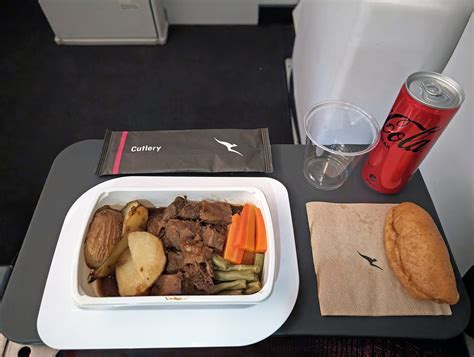
Airline catering is a frequent topic of discussion in Qantas reviews, and opinions are decidedly varied. In premium cabins, such as Michael M’s Business Class experience, the “meals and the drinks” are often lauded as “great.” Specific mentions of desirable items like ice cream, fresh salad, fruit, and quality wines appear in positive accounts. However, the culinary experience is not universally praised. Freedom59663560032 described the Business Class food offering on a Sydney to Singapore flight as “so-so… basically upmarket airplane food.” In Economy, the feedback can be even more critical. Farzaneh R cited “awful food service,” while mrcool7, on a London to Singapore flight, expressed concerns about “food shortages” and fewer meals compared to other airlines on similar 14-hour routes, warning, “If you want to stay hungry then choose this airline.” Conversely, Evan L was pleasantly surprised on a short 1.5-hour domestic flight to receive lunch as well as snacks, deeming it unbelievable for such a short duration. These contrasting experiences indicate that the food and beverage service on Qantas can differ significantly based on the route, class of service, and perhaps even the specific crew or catering cycle. Mentions of biscuits suggest that snack services are also part of the offering.
Customer Service: The Human Element
Customer service is arguably one of the most impactful aspects of any flight, and for Qantas, it’s an area where individual staff members can truly shine, or unfortunately, detract from the experience. There are numerous accounts of exceptional service. Jack M specifically praised flight attendant Anita on a Sydney to Denpasar flight for “looking after me and my partner Paige the whole flight.” Similarly, Andrew G commended Jamie on a Brisbane to Los Angeles flight as “very lovely, with a big smile on her face, very helpful and polite.” An outstanding example comes from Alaa H, who detailed how Qantas staff Alexandra and Jaime Desire went above and beyond to resolve a critical visa issue at Melbourne airport, enabling him to make his flight to Auckland for an important meeting, calling their care “truly exceptional.” These instances highlight the positive impact dedicated and empathetic crew members can have. However, not all service interactions are positive. Freedom59663560032 encountered a “petulant disinterested steward” in Business Class, and Deb F noted a stark difference in the “attitude and energy of the flight attendants” compared to Emirates, suggesting a need for Qantas to “address work place culture.” Dreamer15649961745, while stating “EVERYONE AT QANTAS IS NICE,” critically added, “BUT NO ONE IS HELPFUL,” pointing to a potential gap between politeness and effective problem resolution.
Cleanliness, Check-in, and Boarding: The Foundational Aspects
While not always the most commented-on aspects, cleanliness, and the efficiency of check-in and boarding processes, significantly contribute to overall passenger satisfaction. Reviews regarding cleanliness are mixed. Farzaneh R reported “filthy seats floors and toilet” on one flight. In contrast, other reviewers, like Michael M, rated cleanliness highly. Freedom59663560032 noted that by mid-flight, the toilets were “untidy/dirty” while flight crew were seen snacking in the galley, raising concerns about attentiveness to cabin hygiene. The check-in and boarding experience, often starting at major hubs like Sydney Airport (SYD) or Melbourne Airport (MEL), generally seems to proceed without extensive negative commentary in the provided snippets, though the visa issue encountered by Alaa H underscores the critical role of ground staff during this phase. Smooth boarding processes and clean aircraft are fundamental expectations for a full service airline like Qantas.
Analyzing the Spectrum of Qantas Reviews: Key Themes and Overall Sentiment
The overall Tripadvisor rating of 3.5 stars, derived from a substantial volume of over 21,634 reviews, positions Qantas in an average to good range. A closer look at the distribution reveals that 7,641 reviews are ‘Excellent’ and 6,175 are ‘Good,’ collectively representing a significant majority of satisfied customers. However, there are also 3,129 ‘Average,’ 1,770 ‘Poor,’ and 2,920 ‘Terrible’ reviews, indicating that a considerable number of passengers have had subpar experiences. This distribution highlights the inconsistency that seems to be a recurring theme. Popular positive mentions often revolve around the airline’s renowned safety record, the benefits of its frequent flyer points program, access to the business lounge (especially for Platinum members), and specific highly-praised international routes or aircraft like the Qantas A380 Business Class. The iconic kangaroos livery and general Aussie hospitality (when present) also garner appreciation.
Conversely, negative themes frequently touch upon inconsistent customer service, the perceived age of some aircraft leading to issues with seat comfort or IFE, cleanliness lapses, and variable food quality. Comparisons with other carriers, notably Middle Eastern airlines like Emirates or Qatar Airways, often find Qantas wanting in terms of service polish or cabin product, as articulated by Deb F who found Emirates superior in service, food, and cleanliness after flying both airlines back-to-back. The review titled “Ghosts of Alan Joyce” perhaps alludes to lingering effects of past management decisions on current service standards. The airline’s internal code QF is also a common mention in reviews when passengers discuss their flight details.
Domestic vs. International Services: Are Experiences Consistent?
A pertinent question arising from reviews is whether there’s a discernible difference in passenger experience between Qantas domestic flights and its international operations. Evan L’s review of a Brisbane to Sydney domestic flight on a Boeing 737-800 was notably positive, praising the soft seats, free WiFi, complimentary headphones, and even the provision of lunch and snacks on a mere 1.5-hour journey. This suggests a strong offering on some domestic routes. International flights, particularly long-haul, receive more varied feedback. While premium international services like the Sydney-Los Angeles Business Class on the A380 receive accolades, other international routes, especially in Economy, face criticism regarding food, entertainment, and sometimes service. For example, mrcool7’s complaint about food shortages was on the long London-Singapore international leg. The sheer length of many Qantas international flights (e.g., to London, Dallas, Los Angeles) naturally places greater scrutiny on comfort, catering, and entertainment, making any shortcomings more pronounced. Flights to closer international destinations like Denpasar or across the Tasman to Auckland also feature in reviews, showing a wide geographical spread of experiences.
Spotlight on the Fleet: The A380, Dreamliner, and Aging Aircraft
The type of aircraft operated on a route significantly influences the passenger experience. The Qantas A380, particularly its Business Class, is frequently mentioned positively for its spaciousness and comfort, as seen in Michael M’s review. The Boeing 787 Dreamliner is another modern aircraft in the Qantas fleet, generally associated with improved passenger comfort due to features like higher cabin humidity and larger windows, though specific detailed reviews on the Dreamliner experience were not prominent in the provided snippets, it is a ‘popular mention’. However, a recurring complaint in negative reviews is the issue of “too old aircraft,” as highlighted by Farzaneh R. Flying on older planes can mean outdated seats, less reliable entertainment systems, and a generally more tired cabin ambience. This fleet diversity means that the Qantas experience can be quite different depending on whether a passenger is on a newly refurbished aircraft or an older model awaiting an upgrade. This inconsistency is a key factor contributing to the wide range of reviews. Journeys to destinations like Hobart or other regional centers might utilize different, smaller aircraft types compared to the widebodies used for major intercity and international routes.
Beyond the Flight: Lounges and the Qantas Loyalty Program
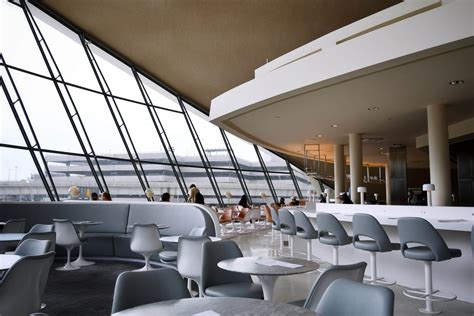
For many frequent travelers, the ground experience is nearly as important as the flight itself. The mention of “business lounge” access as a positive point indicates that Qantas generally provides a quality lounge experience for its eligible passengers, including Platinum frequent flyers. These lounges offer a space to relax, work, or dine before a flight, significantly enhancing the overall travel journey. The Qantas Loyalty program, with its vast membership, is a cornerstone of the airline’s customer retention strategy. The ability to earn and redeem frequent flyer points for flights, upgrades, and other rewards is a major drawcard. The perceived value of these points and the ease of using the program often feature in passenger discussions, making it a critical component of the broader Qantas ecosystem. The program’s success is evident in its large and active member base, who often choose Qantas specifically to accrue benefits.
Addressing Criticisms and Striving for Consistency
The array of reviews, from glowing endorsements of specific crew members like Anita and Jamie to sharp criticisms such as “Qantas needs to lift its game” or “DO NOT FLY QANTAS FOR YOUR OWN SANITY AND SELF RESPECT,” underscores the challenges Qantas faces in delivering a consistently high-quality experience across its vast network. While many staff members are praised for being “nice,” the distinction made by one reviewer that “NO ONE IS HELPFUL” points to a need for empowerment and effective problem-solving skills at all customer touchpoints. For an airline with such a storied history and strong brand identity, addressing these inconsistencies is paramount. The fact that Tripadvisor offers a platform for “Airline managers to register now and reply to member reviews” provides an avenue for Qantas to engage with feedback directly, acknowledge issues, and ideally, implement changes that enhance future passenger experiences. The pursuit of excellence in areas like onboard service, cabin maintenance, and catering will be crucial for maintaining its status as a preferred carrier, especially when passengers make direct comparisons to competitors offering stellar service.
Flying with Qantas: Navigating Expectations for Your Journey
In conclusion, flying with Qantas presents a complex picture. It remains an airline with a formidable safety record, a comprehensive global network through its operations and oneworld alliance membership, and a celebrated Australian heritage. Many passengers report excellent experiences, particularly in premium cabins on flagship aircraft like the A380, or are delighted by exceptional service from individual crew members and the benefits of the Qantas Loyalty program. However, the significant number of mixed to negative reviews concerning aspects like seat comfort on older planes, inconsistent food and beverage quality, variable customer service attitudes, and sometimes lacking in-flight entertainment or cleanliness cannot be ignored. Prospective passengers should research recent reviews specific to their intended route and aircraft type to set realistic expectations. While Qantas has the potential to deliver outstanding journeys, the current passenger feedback suggests that consistency across all its services remains a key area for continued focus and improvement. Ultimately, the ‘Spirit of Australia’ aims high, and travelers hope to see that spirit consistently reflected in every Qantas flight.