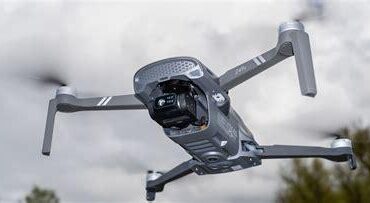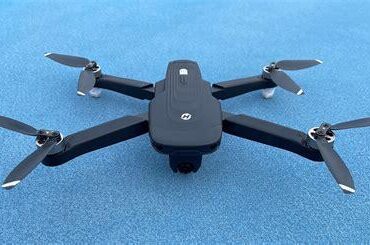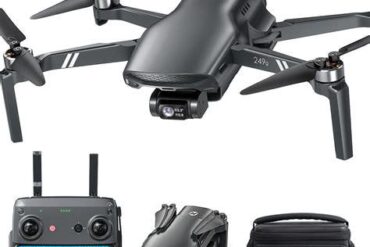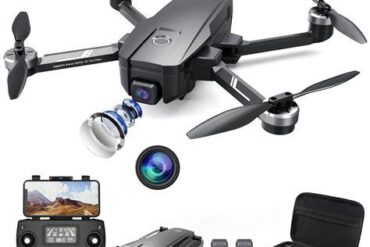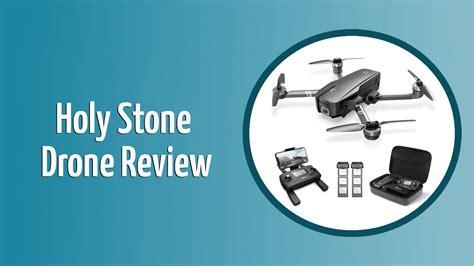
Holy Stone has carved a niche within the consumer drone market by offering drones that seem to punch above their weight in specifications. Among its popular models, the HS720 series—including the HS720, HS720E, and HS720G—are often highlighted for their alleged “4K cameras” and GPS-assisted flight features. These models aim to replicate the high-end functionalities seen in DJI drones but at a fraction of the cost, targeting hobbyists and casual flyers.
However, a deep dive into user feedback and field performance reveals a pattern: while specs appear promising on paper, real-world performance often tells a different story.
Camera Quality: Does 4K Mean True 4K?
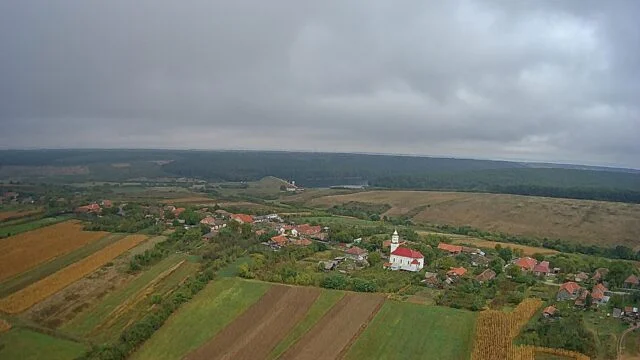
A major selling point for Holy Stone drones is their touted 4K camera capability. Yet, when scrutinized, the reality is less impressive. For example, the HS720 and HS720E claim to deliver 4K resolution but lack the hardware sophistication of true high-definition capture systems. The absence of a gimbal system—except in the HS720G model—leaves footage heavily reliant on electronic image stabilization (EIS) or auto-leveling software, which falls short during dynamic flight maneuvers or breezy conditions.
Consequently, videos often suffer from visible shake, blur, and unstable framing, making them unsuitable for serious aerial photography or videography projects. Users repeatedly report that despite the 4K label, the actual clarity and color fidelity lag behind expectations, especially when compared to even older DJI Mini models that feature mechanical stabilization and higher sensor quality.
Flight Stability and Control Performance
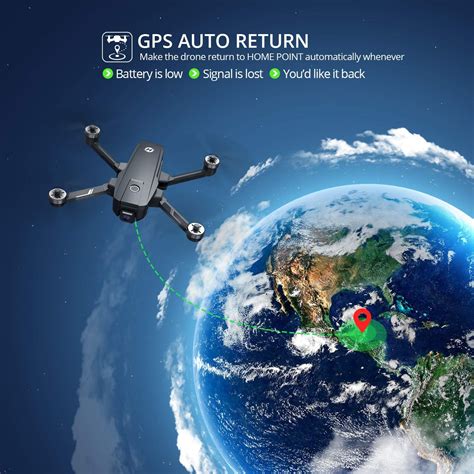
Flight control and stability are core pillars for any drone’s success, particularly when operated by beginners. In this aspect, Holy Stone drones have drawn mixed reviews. While the drones include GPS-assisted hovering and return-to-home functionalities, numerous users have experienced erratic flight behavior. Cases include drones inexplicably veering off course, losing altitude abruptly, or—in the worst scenarios—entering what users dub “suicide mode,” where drones nosedive at a 45° angle into obstacles without user input.
Such occurrences raise serious concerns about firmware reliability and sensor calibration. These problems are not isolated but recur frequently enough to highlight a systemic issue within Holy Stone’s flight control architecture. Although the company has a reputation for responsive customer service, often replacing faulty units, the underlying problems tend to persist, indicating that replacements may not resolve root causes.
Battery Life and Charging Limitations
Another critical factor is battery performance. Holy Stone drones advertise flight times in the range of 20–26 minutes per charge, but in practice, flight time usually hovers around 18–20 minutes, particularly under windy conditions or aggressive flying. What compounds this limitation is the lengthy charging time: batteries typically require 8–10 hours to reach full capacity. This imbalance between usage and recharge cycle can be frustrating for users eager to maximize their flying sessions.
Moreover, spare batteries are often expensive relative to the drone’s overall cost, and availability can be inconsistent, further dampening the convenience factor for users looking to extend their aerial adventures.
Build Quality and Durability
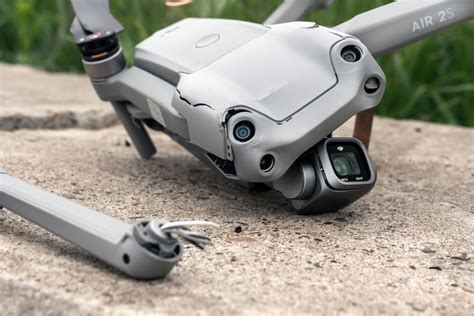
In terms of physical construction, Holy Stone drones generally offer lightweight but fragile builds. While the materials are adequate for basic recreational use, they lack the robustness seen in higher-end drones. Minor impacts can easily result in broken propeller arms or cracked housing, and exposure to moderate winds often tests the drone’s structural integrity. These drones serve reasonably well as “crash trainers,” allowing beginners to get accustomed to flight dynamics without risking high-value equipment, but expectations for long-term durability should remain conservative.
The Holy Stone Customer Service Factor
One aspect where Holy Stone does earn commendation is its customer service responsiveness. Many users who encountered faults or crashes unrelated to pilot error report satisfactory resolutions, with the company offering prompt replacements or refunds. This proactive approach somewhat mitigates frustrations over the drones’ technical shortcomings but also underscores the frequency with which problems arise—a trade-off that potential buyers must weigh carefully.
Alternative Brands: What Else Is Out There?
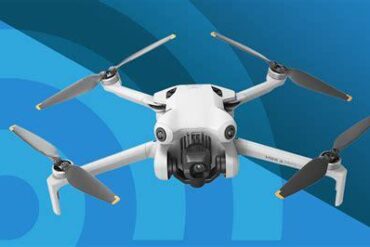
Given Holy Stone’s shortcomings, many drone enthusiasts advocate exploring alternative brands within the same price bracket. Hubsan, Fimi, SJRC, and Potensic offer models equipped with true 3-axis gimbals, superior flight stability, and more reliable image capture technology. Furthermore, certified refurbished or lightly used DJI Mini series drones are often available at comparable prices, delivering a far superior user experience and peace of mind.
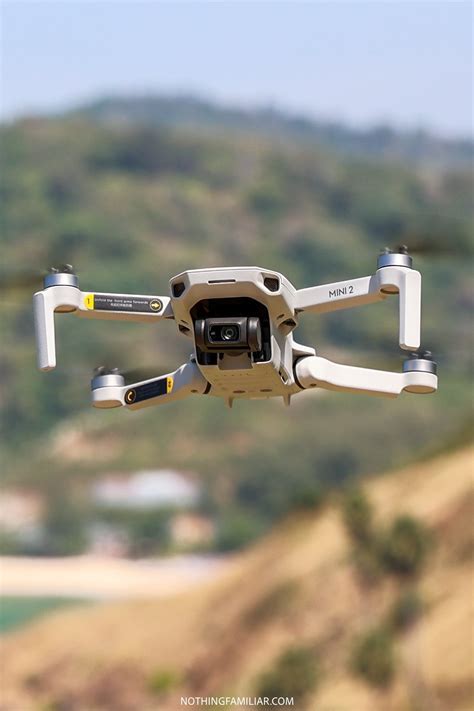
In particular, the DJI Mini 2 and Mini SE have become popular options among budget-conscious buyers who prioritize genuine 4K footage, robust flight performance, and long-term reliability. Even though these options might stretch the budget slightly more, the incremental investment typically results in exponentially greater satisfaction and longevity.
Final Verdict: Are Holy Stone Drones Worth It?
Holy Stone drones present an affordable gateway into the world of aerial exploration, especially for beginners who are more concerned with learning flight basics than capturing professional-grade footage. They can be viewed as disposable training tools that help new pilots build confidence and muscle memory before upgrading to more sophisticated models. However, for users seeking serious aerial photography, consistent flight stability, or long-term reliability, Holy Stone falls noticeably short.
The combination of inflated specifications, inconsistent performance, and durability concerns relegates Holy Stone drones to a niche role rather than a serious contender in the broader drone market. For those who can stretch their budgets, alternatives such as DJI’s entry-level models or reputable budget brands with proven track records represent far wiser investments.
In summary, Holy Stone drones are acceptable for casual fun and initial learning but not a substitute for high-performance aerial platforms. Wise buyers should weigh their ambitions and expectations carefully—sometimes saving up a little more upfront leads to significantly better long-term outcomes.