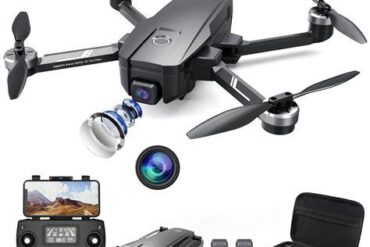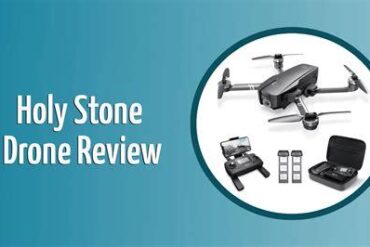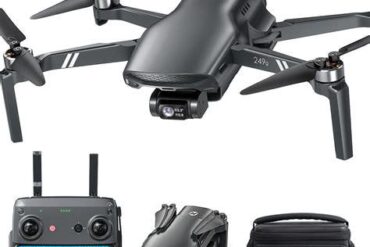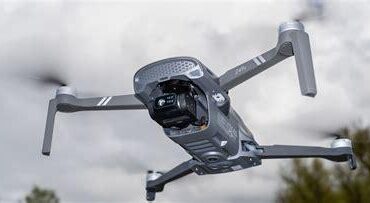
Holy Stone markets the HS710 and HS175D drones as affordable, feature-packed alternatives for beginners unwilling to invest in higher-end options like DJI’s Mini series. They offer compact form factors, GPS positioning, and 4K-labeled cameras—tantalizing promises for sub-$300 devices. But beneath the surface-level appeal lies a harsh truth: these drones suffer from crippling limitations that compromise the very fundamentals of stable flight, image quality, and overall usability.
From inconsistent GPS performance to toy-grade build quality and deceptive camera specs, these drones fail to meet expectations. In this in-depth review, we dissect both models’ designs, features, and flight performance, revealing why even casual users may want to look elsewhere.
Design and Build Quality: Lightweight, But Not in a Good Way
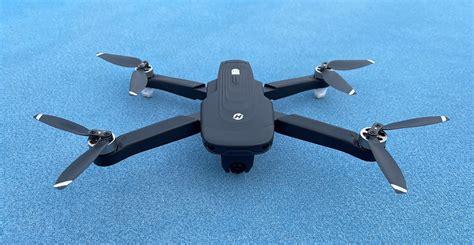
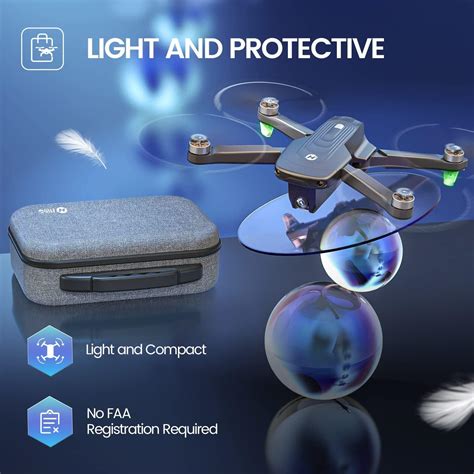
At first glance, both drones look promising. The HS175D folds down to 145×90×60 mm and weighs just 215 g, while the HS710 measures a bulkier 268×301×54 mm but remains under the 250 g threshold that circumvents FAA registration in many countries. Their foldable arms and matte plastic bodies offer a minimalist aesthetic with reasonable durability for light crashes.
However, the build feels unmistakably like that of a toy. The plastic chassis is thin, creaky under pressure, and fails to inspire confidence during outdoor use. The battery compartments feel flimsy, and the motor arms lack the tension and rigidity seen in higher-quality drones. The remotes, particularly for the HS710, seem equally underwhelming—utilizing AA batteries and constructed from brittle plastic that cracks under minimal stress.
Camera Specs vs. Camera Reality: Deceptive on Paper
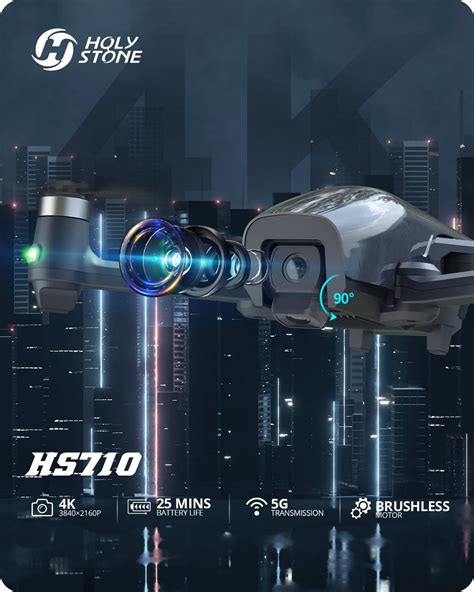
Both drones boast impressive camera specs on paper. The HS710 is advertised with a 4K camera mounted on a 1-axis tilt gimbal capable of tilting from 0° to –90° and a wide 120° angle of view. Similarly, the HS175D claims 2.7K resolution on a tilt mechanism ranging –90° to 0° with 110° AOV.
In practice, both cameras fall well below expectations. Despite the 4K label, neither drone outputs files that approach true 4K clarity. The HS175D barely reaches 1080p consistency, and the HS710’s image sharpness is compromised by heavy distortion, noise, and zero dynamic range. There is no multi-axis stabilization, and vibrations from the motors translate directly into the footage. Expect shaky, jittery videos with rolling shutter effects and a fisheye warping that distorts landscapes.
Even worse, both drones save compressed JPEG and MP4 files to microSD cards (32 GB max on the HS710, 64 GB on the HS175D). There’s no RAW or high bitrate video option, which rules out any serious post-production editing.
App Ecosystem and Setup: Clunky But Doable
Each drone relies on its own dedicated app. The HS175D uses HS GPS V5, while the HS710 requires Ophelia GO, a slightly more refined platform. These apps connect via Wi-Fi and are accessed through QR codes in the instruction manuals.
The apps offer basic flight functions such as:
- One-key takeoff and landing
- GPS-stabilized hovering
- Return to Home
- Waypoint navigation
- Circle Fly (POI)
- Follow Me mode
- Headless orientation
Despite a clean layout, the apps suffer from instability and frequent glitches. Pop-up warnings sometimes appear in foreign languages, while menu options display unavailable features. Inconsistent video feed transmission further undermines usability, especially beyond the 300 m limit.
Flight Experience: Unpredictable, Unreliable, and Uninspiring
Flying either drone is, at best, an exercise in frustration. Both suffer from long GPS satellite lock times, often taking 3–5 minutes to achieve a reliable connection. Once airborne, neither drone inspires confidence in control or stability.
During testing, the HS175D veered into a tree during its first flight, misinterpreting stick inputs and ignoring braking commands. The HS710, though heavier and seemingly more stable, spun out uncontrollably while attempting a Return to Home maneuver, eventually crashing into dense foliage.
Controller latency is noticeable, and motor response is sluggish. The lack of a proper gimbal means that even slight breezes cause the footage to shake violently. In sunset conditions, both drones produced footage that was dim, washed-out, and utterly devoid of color contrast or shadow detail—a far cry from the cinematic results implied by their advertised specs.
Range and Battery Life: Short on Both Fronts
The HS710 claims a remote control range of 600 m and a video transmission range of 300 m, while the HS175D lists slightly lower at 500 m and 300 m, respectively. In real-world testing, both drones struggled to maintain consistent video feed or control beyond 150–200 m, often initiating emergency Return to Home sequences unprompted.
Battery life is rated at 23 minutes per battery, and both models include two batteries in the box. However, this figure is theoretical and only achievable in hover mode under optimal conditions. During active flight with GPS and camera use, we saw real-world flight durations closer to 16–18 minutes.
Charging is equally inefficient. Each battery requires over 3 hours to fully recharge via micro USB—a dated standard in 2025.
How Do They Compare to DJI’s Mini SE?
Compared to the DJI Mini SE, which costs just $40–$100 more, both Holy Stone models fall dramatically short in almost every metric:
- Camera Quality: The Mini SE shoots stabilized 2.7K video with a 3-axis gimbal, producing far superior visuals.
- Flight Stability: DJI’s refined algorithms offer rock-solid GPS lock and precision control.
- Transmission Range: The Mini SE boasts a 4,000 m range, dwarfing the Holy Stone’s 300 m.
- Battery Life: DJI offers up to 30 minutes of flight per battery.
- Build Quality: While also plastic, DJI’s chassis feels more robust, with higher tolerances and better remote control hardware.
If image quality, stable footage, and flight reliability are priorities, the small price gap is more than justified.
Who Should Buy These Drones?
The only audience that might benefit from the HS710 or HS175D are absolute beginners looking to learn basic piloting mechanics in a budget-friendly way. Their lightweight builds, foldable arms, and simplified flight modes provide a basic sandbox for experimentation.
However, even beginners should weigh the cost of crashes, lost footage, and frustrating performance against a slightly higher investment in a better brand. The lack of gimbal stabilization, poor video fidelity, and short-range performance make these drones unsuitable for content creation, FPV flying, or semi-serious hobby use.
Final Verdict: Toy-Like Gimmicks Masquerading as Entry-Level Drones
While Holy Stone has successfully produced durable toy-grade flyers, the HS710 and HS175D are not serious tools for aerial photography or exploration. They struggle with fundamental aspects of flight control, camera quality, and GPS reliability. Their advertised specs promise much more than they can deliver.
In the budget drone market, compromises are expected—but in this case, the trade-offs are too steep. For just $40–$100 more, DJI’s Mini SE offers significantly superior value in every dimension: from image stabilization and camera output to battery life and support infrastructure.
Our recommendation is clear: skip the Holy Stone drones unless you’re committed to the lowest price point possible and prepared for a learning curve paved with frustration. Invest slightly more and begin your drone journey with a platform that respects your time, patience, and creative goals.