The Four-Place Piper Archer: Overview
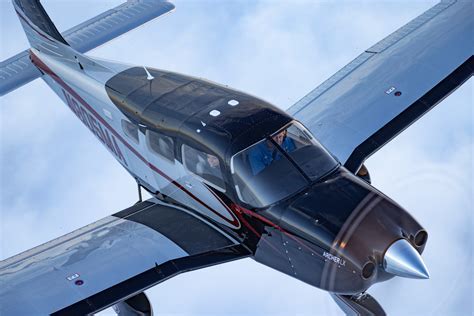
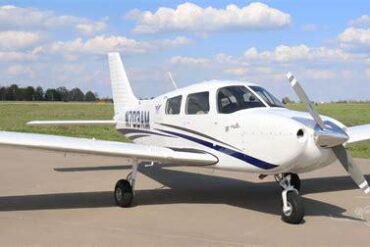
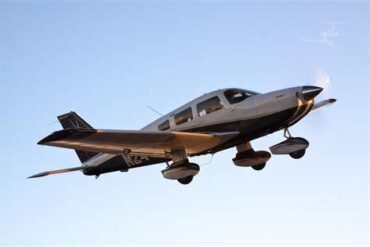
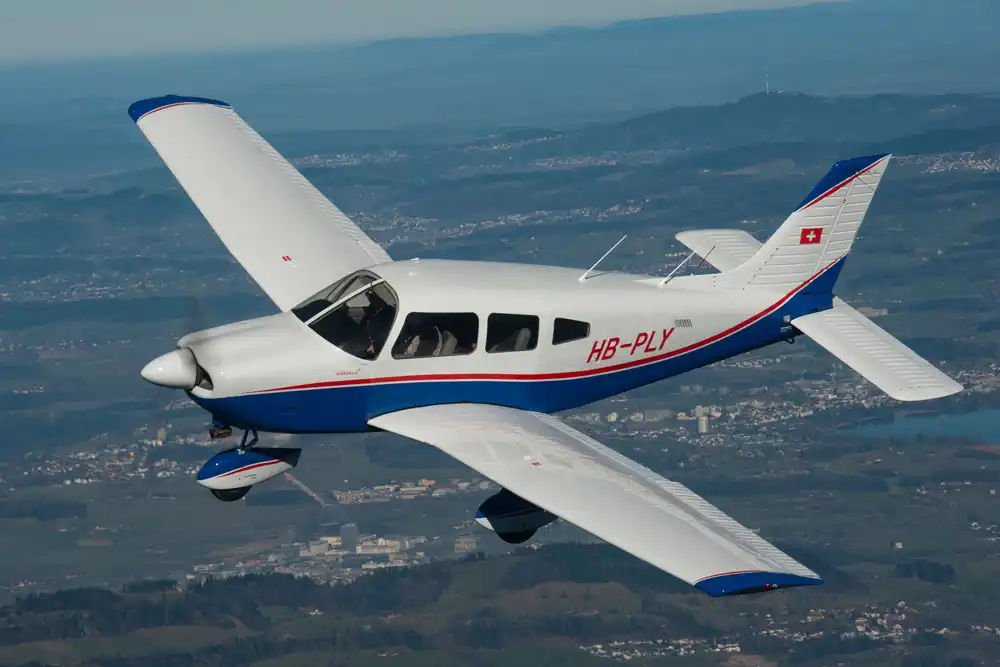
The Piper Archer, often referred to as the Cherokee 180 or PA-28-180, is a single-engine, low-wing aircraft with tricycle landing gear. It’s widely known for its predictable and forgiving flight behavior, making it especially appealing to both student and private pilots. Many private owners prefer the Archer because it balances the simplicity of a trainer with the comfort and capability of a four-place plane.
The Piper PA-28 series, which includes the Archer, has seen more than 32,000 units produced since the original Cherokee launched in 1960. Many variants are still rolling off production lines today. If you’re thinking about your next aircraft, the Archer is certainly one to consider.
Origin of the Piper Archer
The Piper Archer belongs to a larger family that includes models like the Warrior, Arrow, Cherokee, Dakota, Cadet, and Pilot. All of these share the Piper PA-28 designation, often collectively called the Cherokee line. The lineage traces back to the early 1960s, specifically to the PA-28-150 and PA-28-160 Cherokee models.
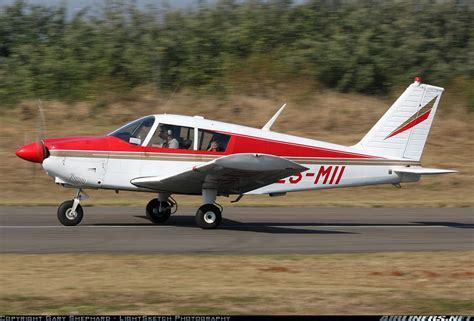
Piper developed the PA-28 family as a modern, low-cost replacement for its older PA-22 Tri-Pacer and Colt aircraft. The idea was to directly compete with the popular Cessna 172 as both a trainer and family aircraft. Structurally, the PA-28 represented a major shift with its low-wing, all-metal monocoque design, moving away from the high-wing, fabric-covered look of the earlier Piper models.
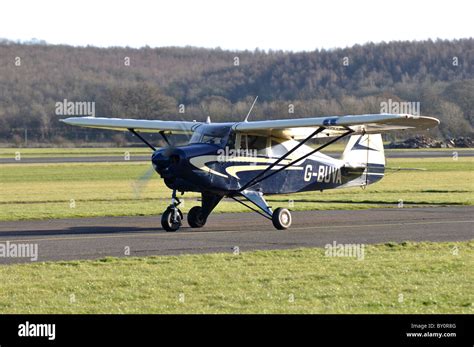
Designing the Piper Archer
Although the Archer name came into use in 1974, the design was not built from scratch. Instead, it evolved from the already-successful Cherokee airframe. This design was originally created by Fred Weick, John Thorp, and Karl Bergey—three major names in aviation. In fact, Weick also designed the Ercoupe.
The overlapping names often confuse people. The Archer shares the PA-28-180 designation with the earlier Cherokee 180, which was first renamed the Challenger in 1973 before finally being called the Archer in 1974. Today, the name “Cherokee” is used to refer to the full family of PA-28 aircraft.
Tapered Wings Starting with the Archer II
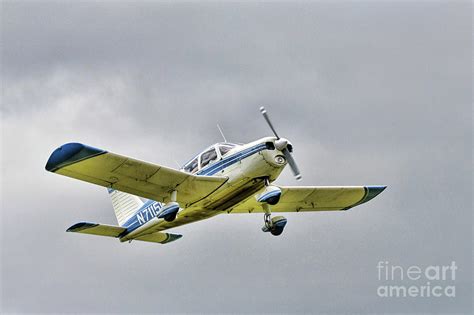
When Piper launched the Archer II in 1976, it included a major design change: the introduction of a semi-tapered wing, replacing the previous “Hershey Bar” straight wing. The new shape was intended to improve stall behavior and crosswind handling.
That said, some argue that the change was more about appearance than function, especially when competing with the sleeker Cessna 172. John Thorp, one of the original designers, was vocal in his criticism of the new wing, saying it stalled at the tips and reduced aileron effectiveness, increasing the risk of spins.
Flying the Piper Archer
Pilots who fly the Archer tend to appreciate its balanced, dependable performance. While no aircraft is flawless, the Archer checks a lot of boxes. It has solid flight characteristics, consistent behavior, and user-friendly controls.
The Archer’s handling is especially welcoming for beginners. The tricycle gear and gentle stall behavior help create a low-stress flight experience. Stall warnings come early through airframe buffet, and the stall itself is mild with no sudden wing drop.
One difference pilots notice is the manual flap system. These flaps deploy quickly and reliably, even during electrical failures. Just remember to apply forward yoke pressure, as the flaps cause the nose to pitch up slightly during deployment.
Is the Piper Archer Safe?
In general, the Piper Archer has a good safety record. However, there is one structural issue worth noting: some Archer aircraft have experienced wing spar cracking. In rare cases, this has led to mid-flight wing separation and fatalities.
To stay safe, always review airworthiness directives and verify that any necessary inspections or repairs have been completed on the aircraft you’re considering.
Purchasing a Piper Archer
If you’re in the market for an Archer, what can you expect in terms of cost? According to the Aircraft Cost Calculator, a used Piper Archer LX averages around $285,000. Muncie Aviation lists a base price of $369,770 for a 2019 LX, while the Archer III model typically sells for about $188,950.
The Archer is powered by the Lycoming O-360 engine, known for its reliability and ease of maintenance. Replacement parts are easy to find, and just about any licensed mechanic can work on one. Many owners also perform their own basic maintenance under FAA owner-performed maintenance rules.
Insurance is also fairly affordable, mainly because the Archer is a well-behaved, low-risk aircraft. Overall, the Archer offers manageable ownership costs without hidden surprises.
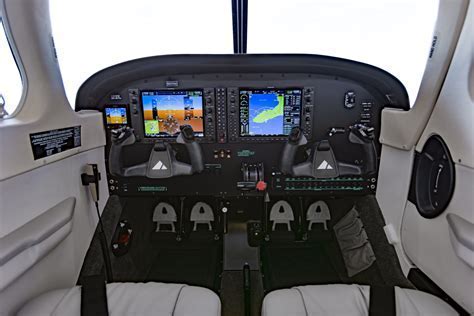
Variants of the Piper Archer
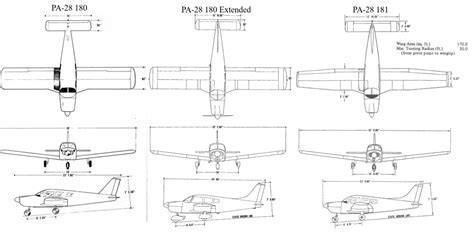
Over the years, the Archer has stayed largely consistent in design. A brand-new 2022 Archer looks surprisingly similar to models from the 1990s and even shares some resemblance with aircraft from the late 1970s. Still, there are small differences that matter when choosing a version.
Archer (1974)
The original Archer from 1974 kept the PA-28-180 designation of the Cherokee. It retained the metal airframe, low-wing design, and tricycle gear, but was stretched by about five inches. This extra length gave more legroom to back seat passengers. The 1974 model also included a slightly larger stabilator and longer wings, increasing the aircraft’s gross weight.
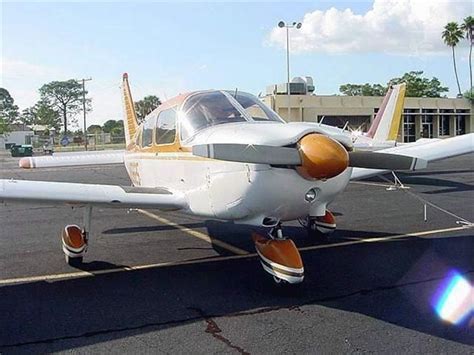
Archer II (1976)
With the Archer II, released in 1976 and re-designated as the PA-28-181, Piper introduced the semi-tapered wing design. This improved stall characteristics and slightly boosted cruise performance. It marked the first significant design shift in the Archer series.
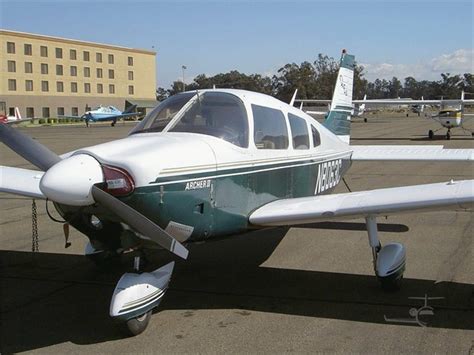
Archer III (1994)
The Archer III came out in 1994 with several modern updates. Inside the cockpit, Piper added larger yokes, an improved instrument panel, and overhead switch controls. The interior color scheme was also toned down for a more professional look. These changes not only enhanced the cabin’s aesthetics but also its usability.
The landing and taxi lights were relocated to the wing tips to reduce issues with filament breakage due to vibration, which had been a problem on the Archer II. The electrical system powering the instrument panel was also upgraded, moving from 14-volts to 28-volts. This change made it possible to support more high-demand electronic accessories and even air conditioning.
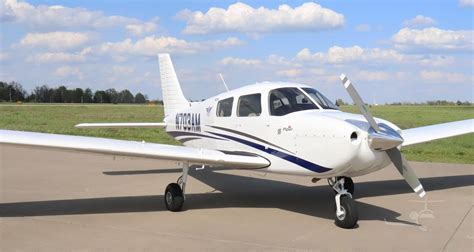
Archer LX
Piper introduced the Archer LX in 2010, and it continues to be produced today. The company describes this model as “an elegant and reliable aircraft,” perfectly suited for both seasoned and new pilots.
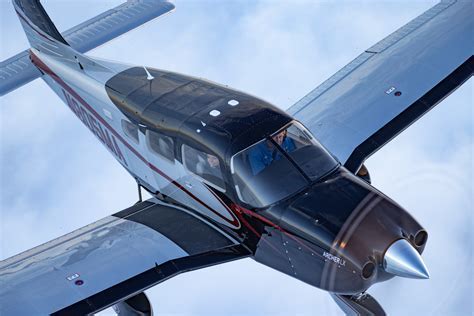
Archer DLX
The Archer DLX made its debut in 2014. According to Piper, this model is crafted for “efficient, luxurious, comfortable, and safe personal flying.” It’s a frequent flyer’s favorite, ideal for both short city hops and recreational flying.
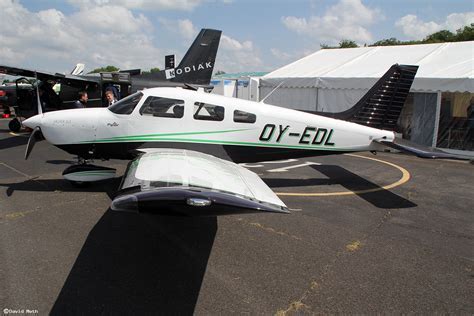
Archer TX
To meet the needs of student pilots, Piper developed the TX version of the Archer. It’s designed as a training platform that blends durability, comfort, reliability, and modern technology. The TX provides all of this at a price point that’s manageable for flight schools, both for purchase and operation.
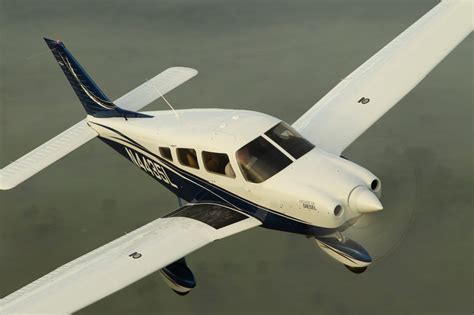
Piper Archer vs. Cessna 172
The Cessna 172 is often seen as the Piper Archer’s closest rival. Both are reliable, four-seat planes that cater well to beginners and experienced pilots alike. Their tricycle landing gear designs are especially forgiving, making them excellent trainers.
So, what sets them apart? One of the most obvious differences is the wing configuration: the Archer is a low-wing aircraft, while the Cessna 172 is a high-wing. This contrast often sparks debate among pilots. High-wing planes offer a clearer view of the ground, while low-wing planes provide better sky visibility and an unobstructed view during turns from base to final.
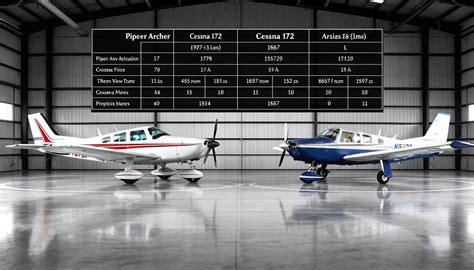

Another distinction lies in the flap systems. The Archer uses manual flaps, while the 172 employs electric ones. Manual flaps tend to retract faster, whereas electric flaps may be more efficient. It all comes down to what the pilot prefers.
Passenger access is another factor to consider. The 172 has a door on each side of the cockpit, offering easier entry and exit. The Archer, on the other hand, only has a single door on the right. However, once inside, the Archer’s cabin is wider, offering a bit more room for passengers to settle in.
1998 Piper Archer III PA-28 Specifications
- Engine: Lycoming O-360-A4M
- Horsepower: 180 hp
- Propeller: Sensenich, 2-blade, fixed pitch
- Length: 24 ft
- Height: 7 ft 4 in
- Wingspan: 35 ft 6 in
- Wing Area: 170 sq ft
- Wing Loading: 15 lb/sq ft
- Power Loading: 2 lb/hp
- Seats: 4
- Empty Weight: 1,683 lb
- Max Gross Weight: 2,550 lb
- Takeoff/Landing Weight: 2,550 lb
- Max Useful Load: 875 lb
- Baggage Capacity: 200 lb
- Usable Fuel Capacity: 48 gallons
1998 Piper Archer III PA-28 Performance
- Takeoff Ground Roll: 1,135 ft
- Takeoff Over 50 ft Obstacle: 1,610 ft
- Rate of Climb (Sea Level): 667 ft/min
- Top Speed: 129 KCAS
- Cruise Speed: 128 KCAS
- Stall Speed (Landing Config): 46 knots
- Stall Speed (Clean): 51 knots
- Fuel Consumption: 10.5 gph @ 75% power
- Endurance: 4.5 hours
- Service Ceiling: 13,236 ft
- Landing Ground Roll: 920 ft
- Landing Over 50 ft Obstacle: 1,400 ft
2020 Piper Archer LX Specifications
- Engine: Lycoming IO-360-B4A
- Horsepower: 180 hp
- Propeller: Sensenich, 2-blade, fixed pitch
- Length: 24 ft
- Height: 7 ft 3 in
- Wingspan: 35 ft 6 in
- Wing Area: 170 sq ft
- Wing Loading: 15 lb/sq ft
- Power Loading: 14.2 lb/hp
- Seats: 4
- Empty Weight: 1,688 lb
- Max Ramp Weight: 2,558 lb
- Max Takeoff Weight: 2,550 lb
- Max Useful Load: 870 lb
- Usable Fuel Capacity: 48 gallons
- Baggage Capacity: 200 lb
2020 Piper Archer LX Performance
- Takeoff Ground Roll: 1,135 ft
- Takeoff Over 50 ft Obstacle: 1,608 ft
- Rate of Climb (Sea Level): 667 ft/min
- Top Speed: 154 KCTAS
- Cruise Speed: 128 KTAS
- Stall Speed (Landing Config): 45 knots
- Stall Speed (Clean): 51 knots
- Fuel Consumption: 10.5 gph @ 75% power
- Range: 522 NM
- Service Ceiling: 14,100 ft
- Landing Ground Roll: 920 ft
- Landing Over 50 ft Obstacle: 1,400 ft
Already flying a Piper Archer? We’d love to hear your story. In the comments, let us know what convinced you to buy one, what you enjoy most, and anything you’d change. Got any tips for future buyers?
No matter how long you’ve been flying, remembering every detail isn’t realistic. In a critical moment, you need information that’s fast and easy to access. That’s why the aviation checklists for the Archer II and III are so useful. You’ll get a quick reference for emergency and normal procedures, V-speeds, weight and balance, fuel data, and more.
Piper Archer vs Cherokee – Which One?
This question can be confusing, but here’s the thing: the Piper Archer and the Cherokee 180 are actually the same aircraft. Some pilots call it one name, others prefer the other.
What’s the Range of the Piper Archer?
The Piper Archer II offers a range of around 600 nautical miles. Still, it’s always smart to refer to the specific POH for your aircraft, since some published numbers tend to lean optimistic.
Which Piper Is Easiest to Fly?
If you’re just starting out, the Piper Cherokee 140 and the PA-38 are solid choices. They’re often recommended for beginners due to their forgiving flight characteristics.
How Much Does a Piper Archer Cost?
Prices vary a lot depending on the age and maintenance history. A brand-new Piper Archer may run between $400,000 and $520,000, while older, used models are typically found between $87,000 and $300,000.
Low-Wing vs High-Wing – Which Is Better?
There’s no universal winner here. If one design were better in every way, that’s all you’d see on the market. Instead, each wing style has its own strengths and limitations. What’s “best” depends entirely on what the pilot needs and values.
Difference Between Archer, Arrow, Warrior, and Cherokee?
Pilot Mike explains this really well in a YouTube video. In short, the differences involve things like wing design changes, added windows, stretched fuselages, retractable gear, different props, and variations in engine power. But visually, they look quite similar.