The unforgiving nature of cold weather poses serious challenges to aircraft engines. Starting an engine in freezing temperatures without proper preheating can cause irreversible damage, significantly shorten engine lifespan, and compromise safety. This is where the TANIS Engine Heater stands as a beacon of innovation and reliability.
Understanding the Purpose of TANIS Engine Heaters
Aircraft engines, much like human muscles, perform poorly when cold. When exposed to sub-zero conditions, the viscosity of engine oil increases, making it difficult for parts to move efficiently. The TANIS Engine Heater addresses these issues by warming essential engine components, ensuring smoother startups and reducing mechanical stress. By preheating the engine, it minimizes internal wear, enhances combustion efficiency, and significantly cuts down the risk of cold-related engine failures.
Unlike generic engine heating solutions, TANIS has been meticulously engineered to provide comprehensive, multi-point heating. This system is not a luxury—it is a necessity for pilots operating in frigid climates who prioritize reliability and safety.
Key Features of the TANIS Engine Heater
Multi-Point Heating Technology
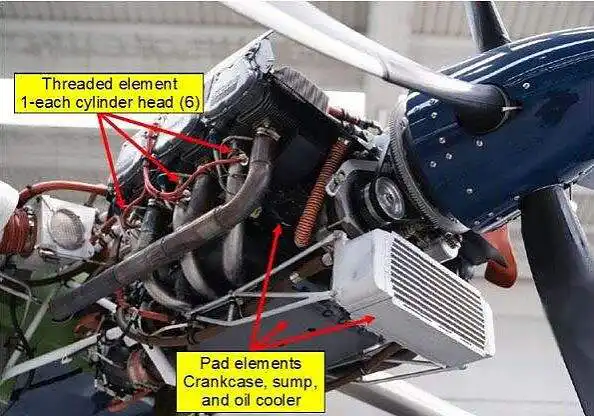
At the heart of the TANIS system lies its unique multi-point heating capability. The heater is not restricted to warming just a single area; instead, it employs threaded heating elements that target multiple critical components simultaneously. These include:
- Cylinder Heads: Each cylinder is individually heated, ensuring uniform engine temperature.
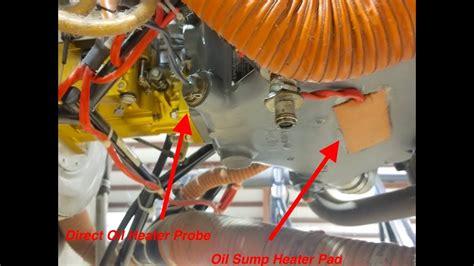
- Oil Sump: Prevents oil thickening by keeping the oil pan warm.
- Fuel System: Critical parts like the fuel tank are maintained at optimal temperatures to ensure better fuel atomization and combustion.
This approach ensures the entire engine assembly reaches an ideal pre-operating state, minimizing temperature differentials that could otherwise lead to metal fatigue and micro-cracks.
Automatic Regulation and Safety Measures
Designed with pilot convenience and safety in mind, TANIS heaters achieve thermal equilibrium in approximately six hours. This means the engine reaches and maintains an optimal, stable temperature with minimal energy consumption.
Key safety and regulation features include:
- LED Indicators: Offer real-time status updates for the heating system.
- Overload Protection: Prevents electrical faults and enhances operational safety.
This automatic regulation not only makes the heating process efficient but also gives pilots peace of mind knowing their aircraft is ready to perform, even in severe winter conditions.
Wide Compatibility with Leading Engine Brands
TANIS Engine Heaters are engineered for versatility. They integrate seamlessly with a broad array of aircraft engines, including:
- ROTAX Engines
- Lycoming Engines
- Jabiru Engines
This broad compatibility ensures that owners of different aircraft models can benefit from superior preheating technology without complex modifications. Additionally, TANIS systems can be effortlessly integrated with advanced engine monitoring systems, allowing pilots and maintenance crews to keep a closer watch on preheating processes and engine readiness.
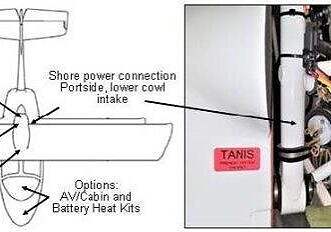
Applications Across Aviation Segments
The TANIS Engine Heater has found widespread adoption across various aviation sectors, affirming its reputation for excellence.
Helicopters
Helicopters such as the Bell 407GX and Bell 407 models depend heavily on TANIS heaters to maintain engine health during winter operations. In rotary-wing aircraft, engine readiness is not merely about performance but is crucial to flight safety. TANIS heaters ensure that these helicopters are operationally ready, reducing the risks associated with cold starts.
Fixed-Wing Aircraft
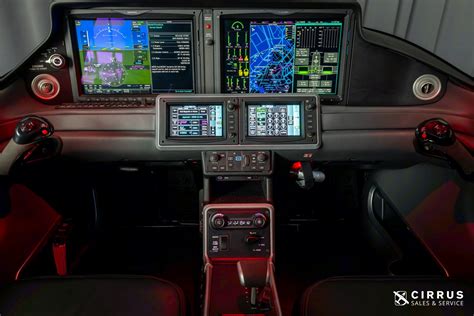
Fixed-wing platforms, including the prestigious Cirrus SR22T G7, incorporate TANIS Avionics and Engine Pre-Heater systems. For private pilots and charter operators alike, ensuring that their aircraft is ready at a moment’s notice is critical. In regions plagued by harsh winters, these preheating systems are not optional add-ons—they are mission-essential tools.
General Aviation
General aviation pilots operating smaller aircraft and regional flyers have enthusiastically adopted TANIS heaters. These pilots value the tangible benefits: reduced engine maintenance costs, fewer delays due to frozen components, and enhanced overall flight safety.
Technical Superiority and Build Quality
Every aspect of the TANIS Engine Heater reflects meticulous engineering and superior craftsmanship. Components are designed to endure the rigors of aviation environments, from extreme temperature swings to prolonged vibration.
Materials used in TANIS systems are aviation-grade, ensuring durability and reliability. Critical electrical connections are shielded, and heating elements are manufactured to resist corrosion and fatigue, promising years of trouble-free operation.
Additionally, the system’s modular design simplifies both installation and maintenance. Whether it’s a turbine-powered helicopter or a piston-engine light aircraft, TANIS heaters can be customized to meet specific operational needs.
Why Preheating is Critical for Engine Longevity
Operating an aircraft engine at cold temperatures causes metal parts to contract unevenly, increasing mechanical stress. Oil, thickened by the cold, fails to lubricate adequately during initial startups. This deadly combination accelerates wear on key components such as pistons, crankshafts, and bearings.
By preheating the engine:
- Oil flow is improved, ensuring immediate and proper lubrication.
- Thermal expansion is regulated, reducing internal mechanical stresses.
- Fuel combustion efficiency rises, as the fuel-air mixture is better atomized.
- Battery load is reduced, preventing undue strain during engine cranking.
These factors collectively extend the life of the engine, reduce operational costs, and enhance overall aircraft reliability.
Operational Best Practices for TANIS Heater Users
To maximize the benefits of a TANIS Engine Heater, certain operational practices are recommended:
- Continuous Use in Extreme Cold: Keep the heater plugged in when the aircraft is stationed outdoors and ambient temperatures dip below freezing.
- Monitor Preheat Time: Although TANIS heaters reach thermal equilibrium within six hours, in extremely cold conditions, a longer preheat may be advisable.
- Combine with Insulation: Using cowling covers or insulated engine blankets can further retain heat and optimize preheating efficiency.
Following these best practices ensures maximum protection for the engine and consistent performance regardless of the weather.
The TANIS Advantage in Modern Aviation
Modern aviation demands unwavering reliability, especially when environmental conditions are less than ideal. The TANIS Engine Heater not only meets but exceeds the stringent demands of pilots, maintenance crews, and aircraft owners. Its integration of multi-point heating, automatic regulation, wide compatibility, and proven field performance place it head and shoulders above alternative solutions.
Choosing TANIS is not merely a decision based on comfort; it is a strategic move to preserve engine integrity, ensure operational readiness, and uphold safety standards. As more aircraft owners recognize the tangible benefits of preheating, the role of TANIS in advancing aviation safety and reliability continues to expand.