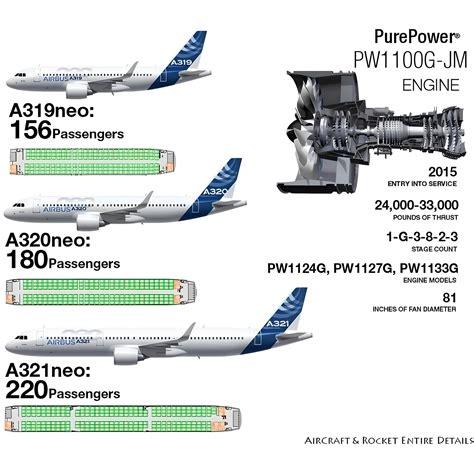
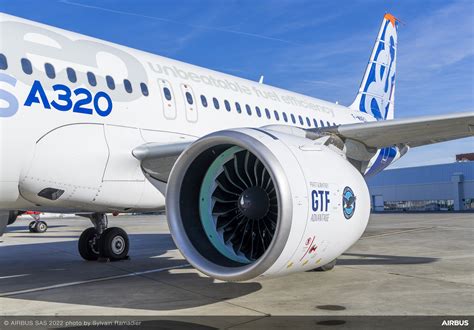
Airbus has introduced new and immediate operating restrictions for aircraft equipped with the Pratt & Whitney PW1100G-JM engines, following a wave of engine icing incidents during severe winter conditions. As carriers across Europe, Central Asia, and North America descend into the coldest months of the year, the issue—first spotlighted by repeated delays at Air Astana—has become a priority concern for operators relying on the A320neo family’s geared turbofan powerplants.
The situation emerged after aircraft in Almaty, a region known for its intense winter climate, began experiencing abnormal ice accumulation on the PW1100 fan blades. The combination of freezing fog and sub-zero temperatures created conditions in which conventional anti-icing measures proved insufficient. The result: new restrictions that halt takeoffs under very specific weather circumstances and mandate new pre-takeoff engine procedures, designed to shed ice before an aircraft reaches the runway.
Airbus has communicated these updates through internal operational notices, warning airlines that the icing phenomenon—though isolated to the PW1100 model—poses a material performance and safety concern when untreated. As winter intensifies across major markets, the issue is becoming increasingly consequential for carriers operating large numbers of Pratt & Whitney–powered A320neo aircraft.
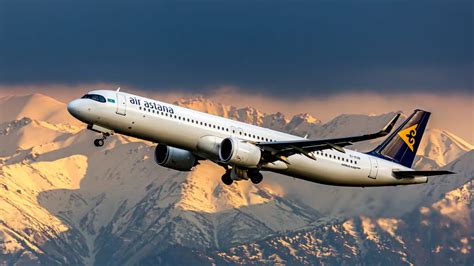
Air Astana’s base in the foothills of the snow-covered Tien Shan mountains has long challenged aircraft with extreme temperatures, but the airline reports that its 11 A320neos and 17 A321neos have recently encountered an unprecedented frequency of engine icing. According to the airline, only its PW1000-series engines are affected; its CFM-equipped aircraft remain fully operational.
The icing occurs on the front fan blades, where supercooled droplets in freezing fog solidify rapidly. When the ice accumulates unevenly, the result is fan imbalance, vibration, and potential thrust loss—risks that force crews to postpone departure until engines are cleared.
Airbus subsequently issued guidance restricting operations in the presence of both freezing fog and visibility below 150 meters, conditions that have repeatedly occurred in Almaty as winter intensifies.
Widespread Impact Across Global Fleets Using Pratt & Whitney PW1100 Engines
Although the issue is tied to a specific atmospheric scenario, the operational consequences are far-reaching. The PW1100G powers an estimated 43% of all A319neo, A320neo, and A321neo aircraft in service. These aircraft are dispersed through highly seasonal markets such as Central Europe, Canada, the northern United States, and Northeast Asia.
This leaves several major airlines exposed:
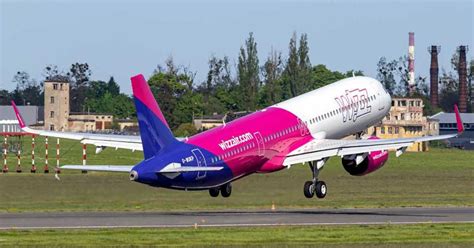
- Wizz Air, which already faces operational pressure from long-running P&W durability issues, operates more than 160 A320neo family aircraft with PW1100 engines.
- Frontier Airlines relies on P&W-powered A321neos at its high-altitude Denver hub, where cold-weather operations are routine.
- IndiGo, although operating primarily in warmer regions, has about 120 PW1100-powered jets that are subject to the new restrictions.
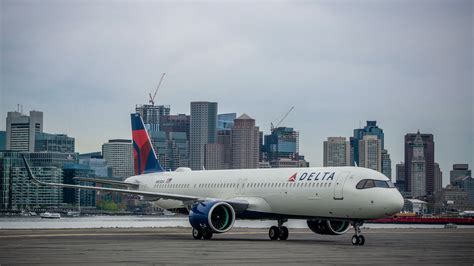
- Delta Air Lines, with 85 A321neos using Pratt & Whitney engines, may encounter issues at northern stations.
While other Pratt & Whitney models—including the PW1500G for the A220 and PW1900G for the Embraer E2—remain unaffected, the ripple effect on global schedules is significant. Flight planners must now factor new constraints into winter morning departures, historically the period most vulnerable to freezing fog events.
Operational Restrictions: New Ice-Shedding Requirements and Takeoff Prohibitions
Inside technical communication NTP 2025-002, Airbus outlines the precise procedures now required for PW1100 operators. The most critical restriction prohibits takeoff when freezing fog is present and visibility drops below 150 meters. Under such conditions, the aircraft must remain grounded until visibility or moisture levels improve.
More importantly, Airbus mandates a new engine run-up acceleration, to be performed during taxi, aimed at removing accumulated ice before the aircraft lines up for departure. The procedure requires crews to hold the engine at 60% N1 for 30 seconds to shake ice from the fan.
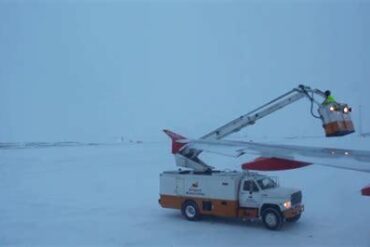
The rule becomes stricter at temperatures below -9°C, at which point the interval between required acceleration events drops from 120 minutes to 30 minutes. If operational, safety, or environmental factors prevent the procedure—including concerns over foreign object damage or excessive jet blast—the aircraft must undergo manual de-icing by maintenance teams.
These newly mandated actions carry scheduling implications, particularly for carriers with high-density morning waves. The inability to perform the ice-shedding maneuver on taxiways crowded with aircraft or equipment may force delays, diversions, or prolonged de-icing periods on the ground.
Pratt & Whitney’s Response and Outlook for Winter Operations
Pratt & Whitney has stated that it is actively engineering a technical fix, though no timeline has been provided. Given the engine maker’s concurrent battle with durability problems tied to contamination in certain engine components, the addition of a cold-weather icing issue adds pressure at a critical time.
As winter peaks across the Northern Hemisphere, operators are preparing for more widespread impact—especially airlines with northern hubs or mountainous bases that frequently experience freezing fog. The next few months will serve as a real-time stress test for both Airbus’s interim procedures and Pratt & Whitney’s ability to deliver a long-term solution.
The operational challenges of the PW1100G demonstrate the thin margin between theoretical engine performance and the realities of harsh winter environments. As the season deepens, airlines that rely on these engines must balance safety, punctuality, and operational resilience while awaiting a permanent fix that restores full winter reliability across the A320neo fleet.