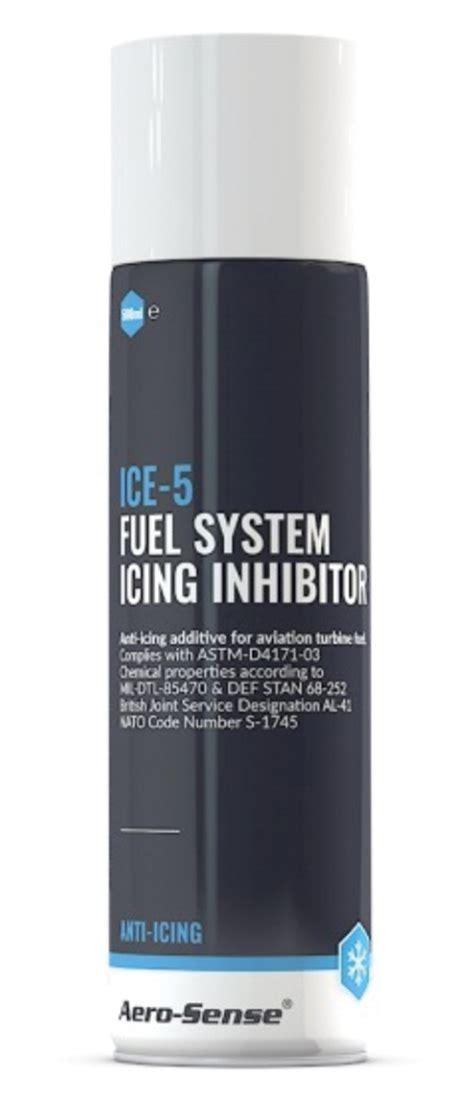
A Fuel System Icing Inhibitor (FSII) is a specially formulated fluid that helps prevent ice crystal formation in aviation fuels. When added to fuel, FSII works to keep filters, fuel lines, and other system components clear of ice. Many people know FSII by the brand names “Prist” or “D ice,” depending on the region.
Despite strict measures to remove water from aviation fuel during production and transport, some free water can still contaminate the fuel. In cold temperatures or at high altitudes, this water can freeze, leading to blockages in fuel filters and lines. Such blockages can result in engine power loss or even flameouts. To combat ice formation, modern commercial aircraft and newer general aviation jets often include components like electric fuel heaters. However, older models and many military aircraft may lack these features due to cost and weight limitations.
FSII is designed to prevent ice crystals from forming when water is present in the fuel. Although it dissolves poorly in fuel, it mixes easily with water. If fuel becomes water-contaminated, the water will draw FSII out, which helps lower the freezing point of the water, stopping ice from forming. In fact, FSII is a required additive for many military aviation fuels, while its use in commercial fuels is left up to the operator.
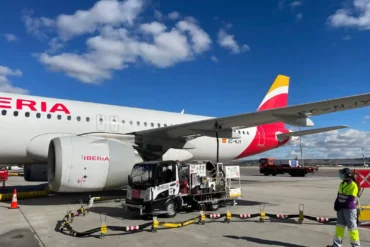
For effective use, FSII should make up about 0.10% to 0.15% of the fuel volume and must be mixed thoroughly. However, since FSII does not mix easily with fuel, it needs to be injected into the fuel during uplift. This is typically done using fuel bowsers equipped with a special tank for FSII, ensuring proper mixing as the fuel is pumped into the aircraft. Refueling personnel often confirm with the crew whether they want fuel with or without FSII by asking, “positive or negative?”
FSII is a clear, colorless, and nearly odorless fluid, similar to Diesel Exhaust Fluid (DEF), which is also used at airports. However, DEF is not a fuel additive and has caused serious issues when mistakenly added to fuel tanks. Such contamination has led to significant in-flight engine problems.
One notable incident occurred on January 17, 2008, when a British Airways Boeing 777-200ER crash-landed at London Heathrow after losing engine thrust shortly before landing. The investigation revealed that ice had caused a restriction in the fuel feed system, highlighting the critical role FSII plays in aviation safety.