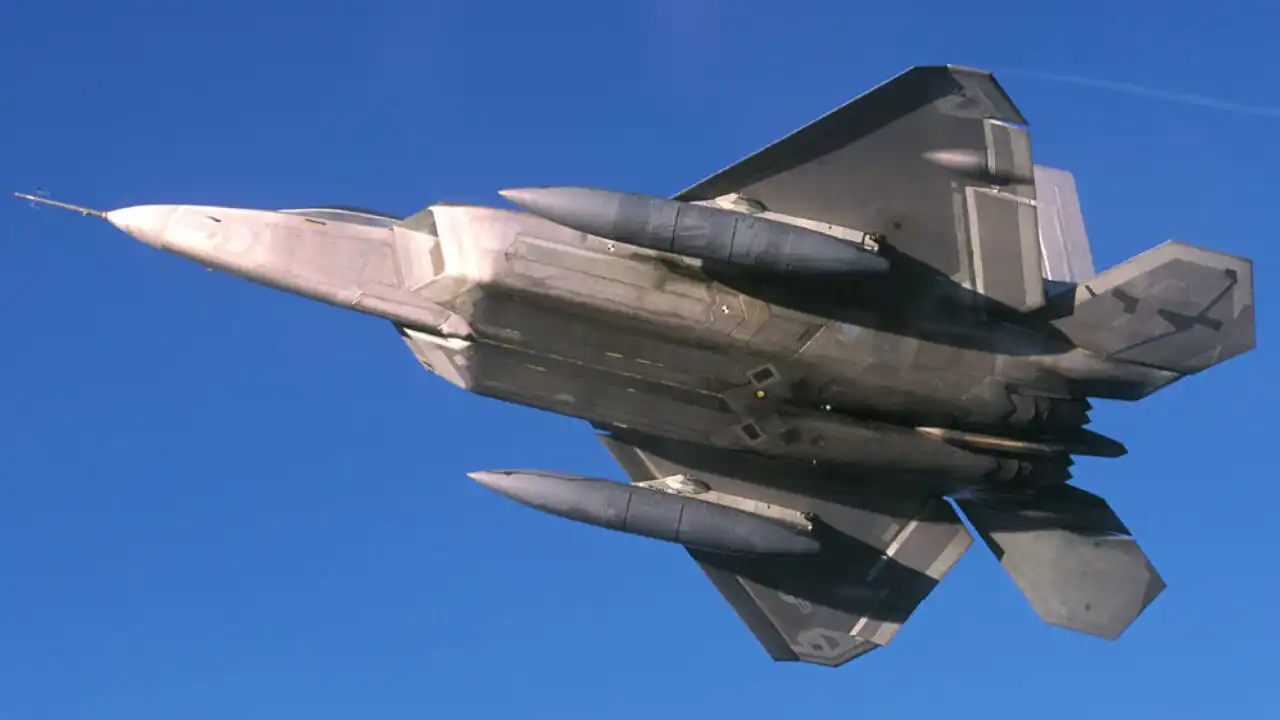
The F-22 Raptor, developed by Lockheed Martin, stands as a pinnacle of fifth-generation stealth fighter technology. Designed for air dominance, it integrates stealth, supercruise, and advanced avionics, making it one of the most formidable air combat platforms. However, like any high-performance aircraft, its operational endurance is constrained by fuel capacity and consumption.
F-22 Raptor Fuel Capacity
Internal Fuel Storage
The F-22 Raptor carries 8,200 kg (18,000 lbs) of internal fuel within its fuselage and wings. This design choice maximizes stealth capabilities, as no external fuel tanks compromise its radar cross-section (RCS). Internal storage alone allows the F-22 to operate efficiently within a combat radius of approximately 850 km (528 miles).
External Fuel Tanks
For extended operations, the F-22 can be equipped with two 600-gallon (2,270-liter) external fuel tanks, increasing total fuel capacity to 12,000 kg (26,400 lbs). These tanks significantly extend range, particularly during ferry flights, but come at a cost—reduced stealth and agility. External tanks are rarely used in combat due to the increased risk of detection.
F-22 Fuel Consumption Per Hour
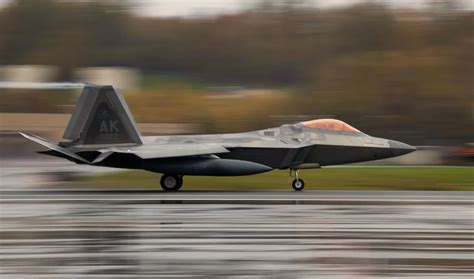
Fuel burn rates vary depending on flight mode, impacting mission endurance, range, and refueling frequency.
Subsonic Cruise Consumption
At normal cruising speeds (typically Mach 0.8–0.9), the F-22 burns approximately 4,100–4,500 kg/hour (9,000–10,000 lbs/hour). This mode is optimal for maximizing range and endurance.
Supercruise Fuel Consumption
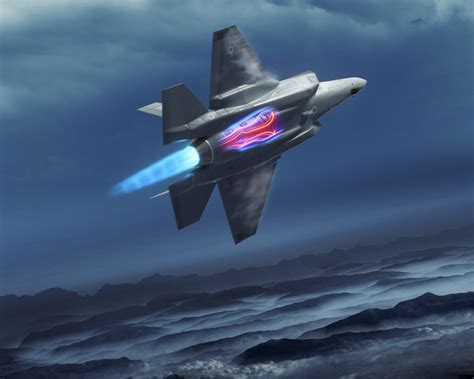
One of the F-22’s defining features is supercruise capability—sustained supersonic flight without afterburners. At Mach 1.82, fuel consumption rises to 5,500–6,000 kg/hour (12,000–13,200 lbs/hour). While this significantly reduces flight time per fuel load, it provides a tactical advantage by allowing the Raptor to engage or disengage rapidly without sacrificing stealth.
Afterburner Fuel Consumption
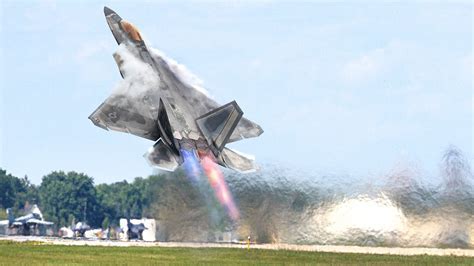
In combat, the F-22 relies on afterburners to achieve extreme speed and thrust. When engaged, fuel consumption spikes to over 8,200 kg/hour (18,000 lbs/hour). This drastic increase in burn rate reduces endurance to minutes rather than hours, emphasizing the need for careful fuel management and refueling support during extended missions.
Operational Impact of Fuel Consumption
Combat Radius and Mission Planning
The F-22’s fuel constraints shape mission parameters significantly. With internal fuel, its maximum unrefueled range reaches approximately 2,960 km (1,840 miles), though effective combat radius is far less—around 850 km (528 miles). High-thrust maneuvers, supersonic cruise, and afterburner use sharply reduce these figures.
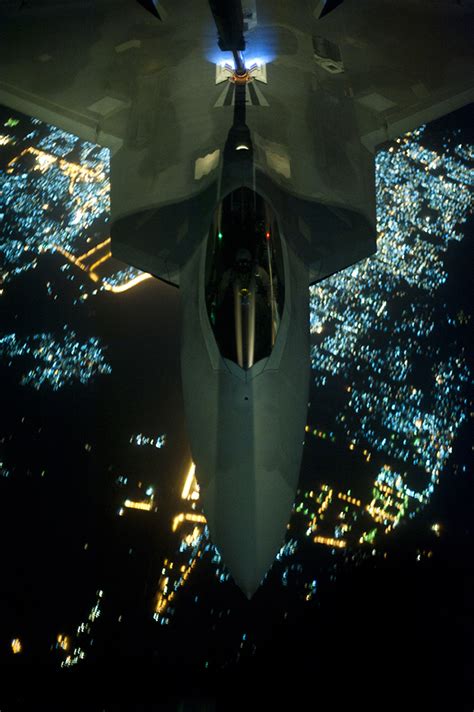
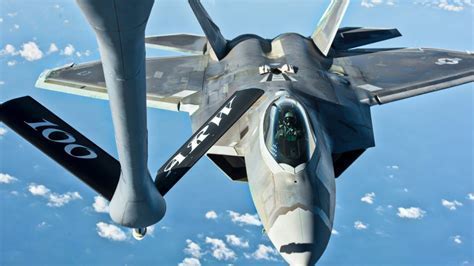
To counteract these limitations, the F-22 depends on aerial refueling for extended operations. However, refueling operations introduce operational risks, as tankers are vulnerable targets in contested airspace.
Engine Efficiency and Fuel Usage
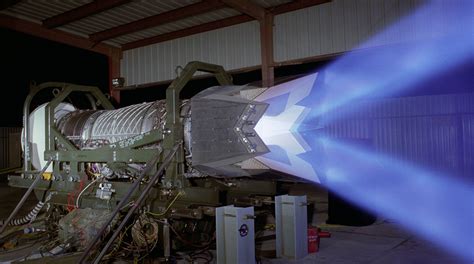
The Pratt & Whitney F119-PW-100 engines prioritize raw thrust (156 kN with afterburners) over efficiency. Compared to newer engines like the F-35’s F135, the F-22’s powerplant has higher specific fuel consumption (SFC), meaning it burns more fuel per unit of thrust. While this trade-off enhances performance, it limits endurance and necessitates frequent refueling.
Comparing the F-22 to Other Fighters
When evaluating the F-22’s fuel performance, it is useful to compare it with other contemporary fighter jets:
| Aircraft | Internal Fuel Capacity | Max Range (Unrefueled) | Fuel Burn at Cruise |
|---|---|---|---|
| F-22 Raptor | 8,200 kg (18,000 lbs) | 2,960 km (1,840 miles) | ~4,500 kg/hour |
| F-35A Lightning II | 8,278 kg (18,250 lbs) | 2,800 km (1,740 miles) | ~3,800 kg/hour |
| F-15EX Eagle II | 13,000 kg (28,500 lbs) | 3,900 km (2,420 miles) | ~5,000 kg/hour |
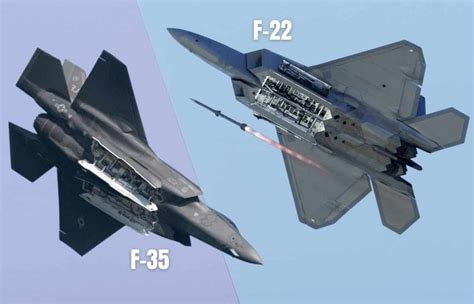
The F-22’s fuel efficiency lags behind the F-35A, which benefits from a newer, more efficient engine. However, the F-22’s stealth and supercruise abilities compensate for this shortcoming, ensuring it remains dominant in air-to-air engagements.
FAQ: F-22 Fuel Capacity and Consumption
1. How long can an F-22 fly without refueling?
The maximum unrefueled range of the F-22 is approximately 2,960 km (1,840 miles) under optimal conditions. However, in a typical combat scenario, the effective combat radius is around 850 km (528 miles) due to fuel consumption during high-performance maneuvers.
2. How does the F-22’s fuel efficiency compare to other fighters?
The F-22’s engines prioritize thrust over efficiency, resulting in higher fuel consumption than modern aircraft like the F-35A. However, its ability to supercruise at Mach 1.82 without afterburners gives it a unique operational advantage.
3. Why doesn’t the F-22 carry more fuel?
The F-22 is optimized for stealth and agility, meaning additional internal fuel would increase weight and reduce performance. While external tanks can be used, they compromise stealth and are generally avoided in combat operations.
The F-22 Raptor remains one of the most advanced fighter jets in the world, and while its fuel capacity limits operational endurance, its stealth, speed, and supercruise capability make it a lethal air superiority platform.