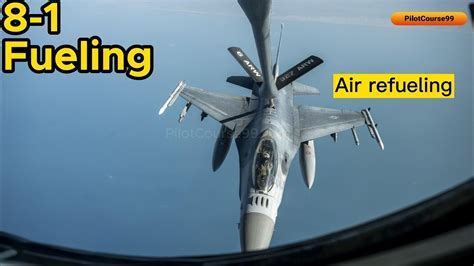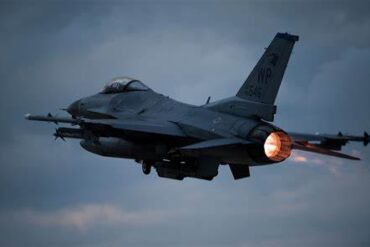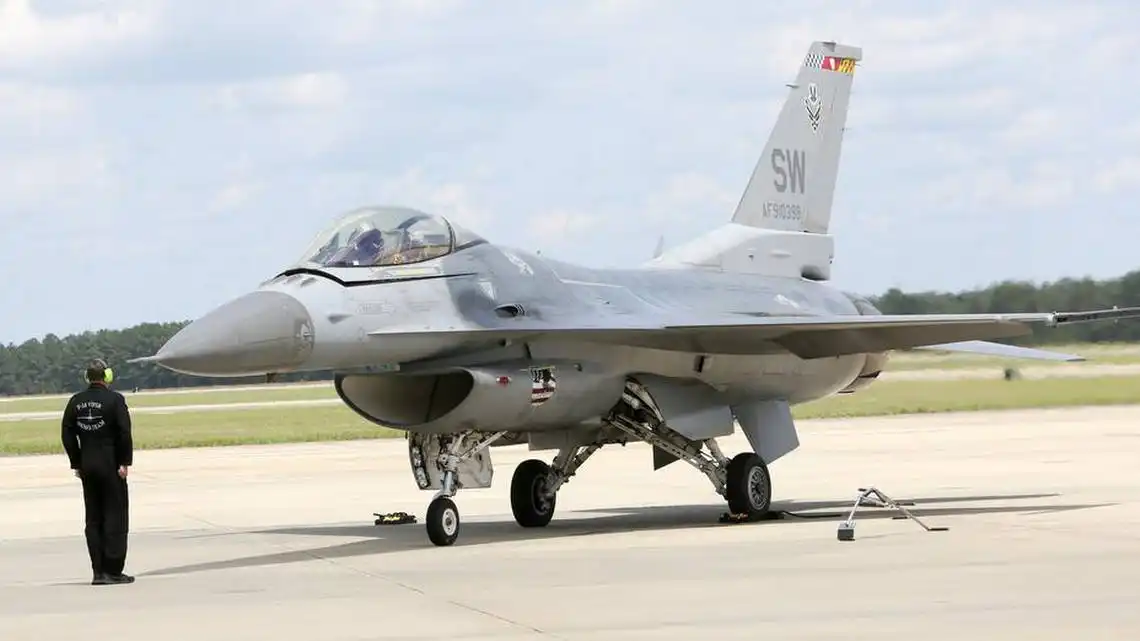
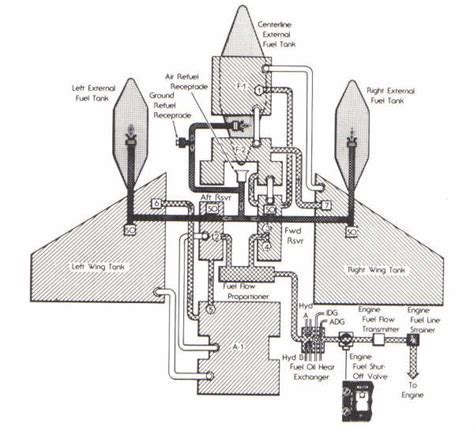
The F-16 Fighting Falcon is a versatile, multi-role fighter aircraft known for its agility, advanced avionics, and fuel efficiency relative to its performance. The fuel consumption of an F-16 depends on mission profile, flight phase, altitude, speed, and maneuvering intensity. This article provides a comprehensive breakdown of the fuel consumption calculations, influencing factors, and operational comparisons of the F-16.
Fuel Consumption Calculation Methodology
Fuel consumption for an F-16 is typically assessed by breaking the flight into three primary phases: climb, cruise, and descent. The calculation of fuel usage during these phases helps pilots and mission planners estimate operational range and endurance.
1. Climb Fuel Consumption (TC)
During the climb phase, the F-16 burns fuel at an increased rate due to the high thrust required to ascend. The total fuel consumed in this phase is calculated as:
TC=60CR×CT×CFTC = \frac{60}{CR} \times CT \times CF
Where:
- CR = Fuel consumption rate (e.g., 200 gallons per hour)
- CT = Climb time (minutes)
- CF = Conversion factor (e.g., 1.5 for climb phase adjustments)
For example, if the F-16 climbs for 45 minutes at a rate of 200 gallons per hour, the fuel consumed in this phase is:
TC=60200×45×1.5=225 gallonsTC = \frac{60}{200} \times 45 \times 1.5 = 225 \text{ gallons}
2. Cruise Fuel Consumption (CC)
The cruise phase is more fuel-efficient as the aircraft maintains a steady altitude and speed. The total fuel consumed in cruise is:
CC=60CR×CDCC = \frac{60}{CR} \times CD
Where CD is the cruise duration. Using the same 200 gallons per hour rate for a 45-minute cruise, the calculation is:
CC=60200×45=150 gallonsCC = \frac{60}{200} \times 45 = 150 \text{ gallons}
3. Total Fuel Consumption (TF) and Remaining Fuel (RF)
Adding climb and cruise fuel gives the total fuel consumed:
TF=TC+CC=225+150=375 gallonsTF = TC + CC = 225 + 150 = 375 \text{ gallons}
Subtracting this from the initial fuel load (IF) provides the remaining fuel:
RF=IF−TFRF = IF – TF
If the initial fuel load was 1,000 gallons, then:
RF=1000−375=625 gallonsRF = 1000 – 375 = 625 \text{ gallons}
Factors Influencing Fuel Consumption
1. Altitude
Higher altitudes provide better fuel efficiency as the thinner air reduces drag, allowing the F-16 to maintain cruise speeds with less engine thrust. However, reaching these altitudes requires significant fuel expenditure during the climb phase.
2. Maneuvers
Fuel consumption increases significantly during aggressive flight maneuvers, such as:
- High-G turns
- Rapid acceleration
- Evasive actions
Maneuvering increases thrust demands, leading to higher fuel burn rates.
3. Speed
The F-16’s fuel efficiency decreases sharply at supersonic speeds due to increased air resistance and engine demands. Operating at Mach 1.2 or higher results in drastically higher fuel consumption than subsonic cruising.
4. Aircraft Weight
A lighter F-16 consumes less fuel. Combat weight, often around 9,200 kg (with half fuel and two missiles), impacts endurance. More payload (missiles, bombs, external fuel tanks) increases fuel consumption.
Operational Context: Combat vs. Training
1. Training Missions
Training flights are optimized for efficiency, with controlled climb and cruise phases. A standard training mission may involve:
- Climb: 225 gallons
- Cruise: 150 gallons
- Descent: Minimal fuel usage
2. Combat Operations
In combat scenarios, fuel consumption varies dramatically due to afterburner use, evasive maneuvers, and mission complexity. Afterburner engagement can increase fuel burn to 2–3 times the standard rate, dramatically reducing endurance.
Comparative Fuel Consumption Insights
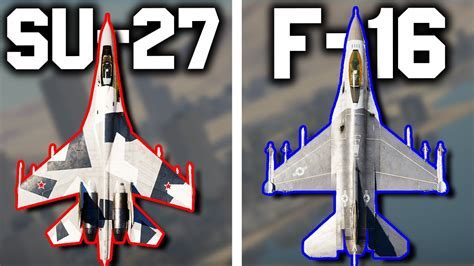
The F-16A carries approximately 9,400 kg (≈2,500 gallons) of internal fuel. This capacity allows for 4.3 minutes of full afterburner use. In comparison, the Su-27, with larger reserves, sustains only ~2.2 minutes of full afterburner operation. Soviet research institutions, such as TsAGI, noted that the F-16 demonstrated better fuel efficiency in sustained maneuvers than some Soviet-era fighters.
Key Takeaways
- Fuel consumption is mission-dependent; climb and cruise phases dominate overall usage.
- Altitude and maneuvering intensity significantly impact fuel efficiency.
- Real-world fuel burn rates are higher than theoretical calculations, particularly in high-intensity operations.
- For precise mission planning, consult flight manuals and performance charts tailored to the specific F-16 variant.
FAQ: Common Questions About F-16 Fuel Consumption
1. How much fuel does an F-16 consume per hour?
Fuel consumption depends on flight conditions. In cruise, an F-16 burns around 200 gallons per hour. During high-performance maneuvers, consumption can exceed 800 gallons per hour with afterburner use.
2. How long can an F-16 fly on a full tank?
With full internal fuel (≈2,500 gallons), an F-16 can fly for approximately two hours under standard cruise conditions. External fuel tanks extend this range significantly.
3. How does afterburner usage affect fuel consumption?
Afterburners increase fuel burn exponentially. A fully fueled F-16 can deplete its reserves in under 10 minutes with sustained afterburner use.