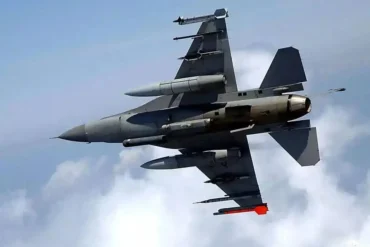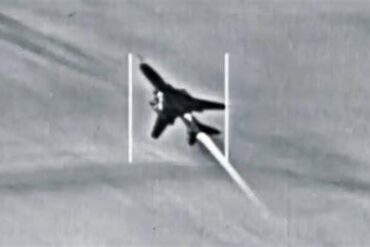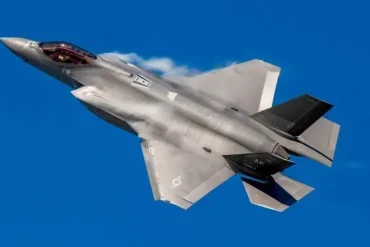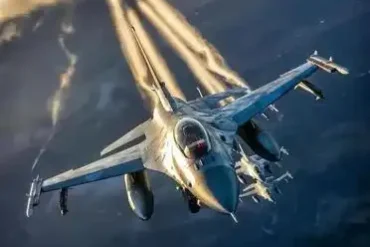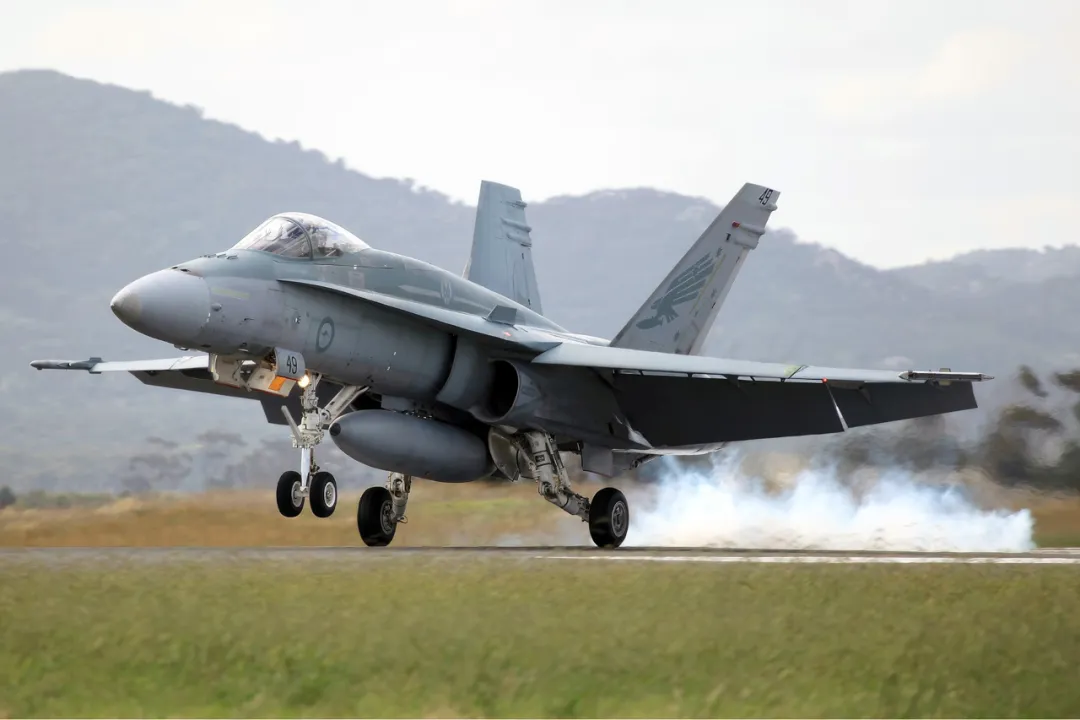
The F/A-18 Hornet, a multirole fighter aircraft developed by McDonnell Douglas (now part of Boeing) and Northrop, has served as a backbone of the U.S. Navy and Marine Corps since the 1980s. Designed for both air superiority and ground attack, the Hornet has participated in numerous combat operations worldwide. Understanding its kill ratio provides valuable insights into its combat effectiveness and operational history.
F/A-18 Hornet in Combat
The kill ratio of an aircraft refers to the number of enemy aircraft it has destroyed versus the number of losses it has suffered. The F/A-18 Hornet has seen action in multiple conflicts, but its air-to-air combat record remains relatively limited compared to aircraft such as the F-15 Eagle or F-22 Raptor.
Gulf of Sidra Incident (1986)
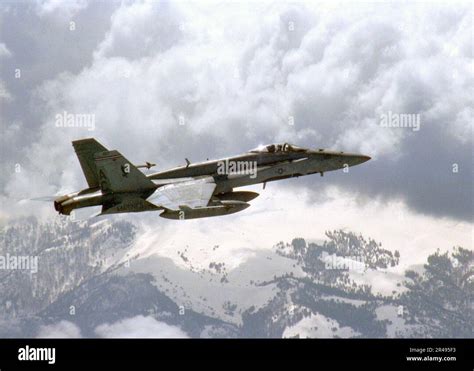
In 1986, the U.S. Navy deployed F/A-18 Hornets in the Gulf of Sidra as part of operations against Libyan forces. However, despite the high tensions, there were no confirmed air-to-air engagements involving the Hornet. The kill ratio for this conflict stands at 0-0-0.
Gulf War (1991)
The F/A-18 Hornet saw significant action during Operation Desert Storm in 1991. The aircraft was used extensively for strike missions, SEAD (Suppression of Enemy Air Defenses), and air superiority patrols. The U.S. Hornets achieved a 2-1-1 kill ratio:
- Two confirmed air-to-air kills
- One Hornet lost in combat
- One probable kill
These air victories were achieved against Iraqi MiG-21 and MiG-25 aircraft.
In contrast, the Canadian Air Force’s CF-18 Hornet (a variant of the F/A-18A/B) also participated in the war but did not register any air-to-air victories, resulting in a 0-0-0 kill ratio for Canada.
Kosovo War (1999)
During Operation Allied Force, F/A-18 Hornets from the United States, Canada, and Spain were deployed to enforce the no-fly zone and conduct strike missions. However, there were no confirmed aerial engagements, leading to a 0-0-0 kill ratio across all participating nations.
Operations in Afghanistan and Iraq (2001-Present)
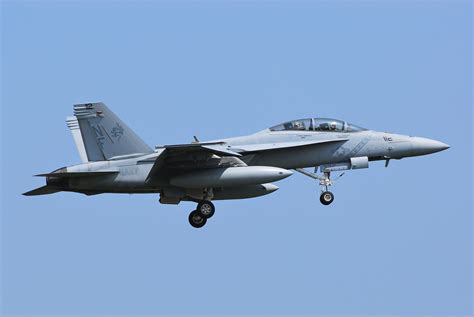
The F/A-18 Hornet has been extensively used in both Operation Enduring Freedom and Operation Iraqi Freedom for ground attack, CAS (Close Air Support), and reconnaissance missions. Despite being deployed in an environment with potential aerial threats, there have been no air-to-air kills recorded, leaving the kill ratio at 0-0-0 for these operations.
F/A-18E/F Super Hornet Performance
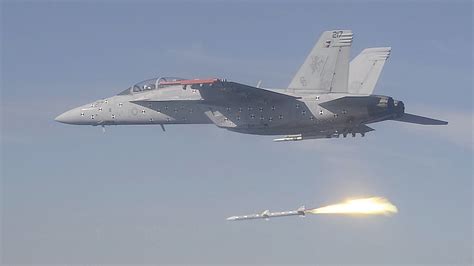
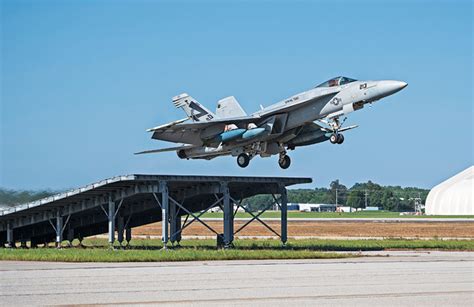
The F/A-18E/F Super Hornet, an advanced version of the original Hornet, has been deployed in major U.S. military campaigns. However, it has not recorded any air-to-air kills. Despite its enhanced radar systems, stealth features, and longer range, the lack of adversary aircraft engagements in modern conflicts has kept its kill ratio at 0-0-0.
Kill Ratio Assessment and Comparisons
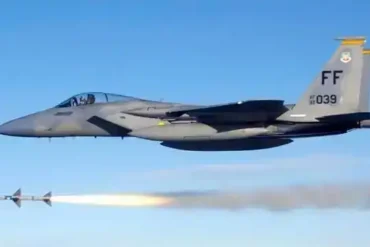
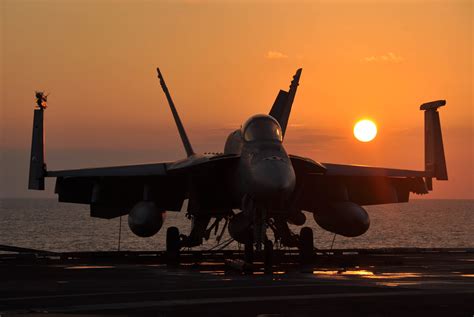
Compared to aircraft such as the F-15 Eagle, which boasts an exceptional 104-0 air combat record, the F/A-18 Hornet’s air-to-air kill count remains relatively modest. The Hornet’s primary role in modern warfare has shifted toward strike missions, making it less likely to engage in dogfights or traditional air superiority battles.
Factors Affecting Kill Ratio
Several factors contribute to the F/A-18 Hornet’s air-to-air performance:
- Multirole Design: Unlike dedicated air superiority fighters, the Hornet is designed for versatility, balancing strike capability and air combat effectiveness.
- Rules of Engagement (ROE): In modern conflicts, strict ROE often prevent air-to-air engagements, limiting opportunities for air kills.
- Evolving Warfare: Since the early 2000s, air-to-air engagements have become rare due to advanced missile technology and superior situational awareness from platforms like the E-2D Hawkeye and AWACS.
Conclusion
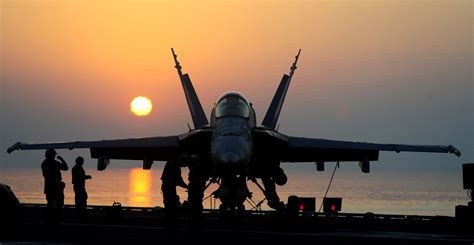
The F/A-18 Hornet’s kill ratio remains relatively low due to its multirole focus and the nature of modern air warfare. While it has achieved limited air-to-air kills, its true strength lies in strike operations, carrier versatility, and electronic warfare integration. The Super Hornet continues this legacy, playing a crucial role in U.S. naval aviation despite a lack of recorded air-to-air engagements.
FAQ
1. How does the F/A-18 Hornet compare to the F-15 Eagle in air combat?
The F-15 Eagle is a pure air superiority fighter with an unmatched kill ratio of 104-0, whereas the F/A-18 Hornet is a multirole aircraft that prioritizes strike missions alongside its air-to-air capabilities.
2. Why does the Super Hornet have a 0-0-0 kill ratio?
The F/A-18E/F Super Hornet has not engaged in air-to-air combat due to the lack of aerial threats in modern conflicts. Most adversary aircraft have been neutralized by stealth fighters or long-range missiles before dogfights occur.
3. What is the primary role of the F/A-18 in modern warfare?
The F/A-18 Hornet and Super Hornet primarily serve in strike missions, carrier operations, electronic warfare, and close air support, rather than traditional dogfighting scenarios.