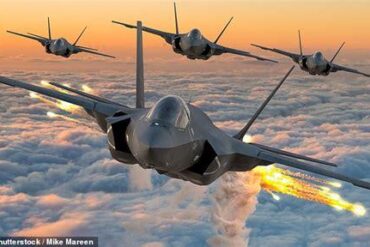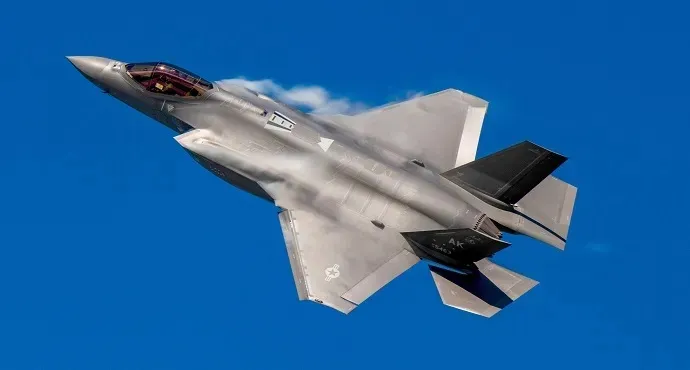
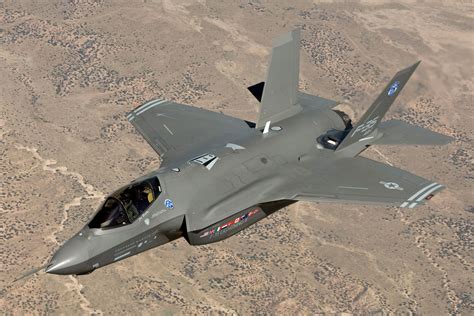
The F-35 Lightning II is one of the most advanced fighter jets ever built, representing cutting-edge technology in stealth, avionics, and operational capabilities. However, the discussion surrounding its potential vulnerabilities, specifically the controversial concept of a “kill switch,” has raised important geopolitical and technical concerns. The F-35 kill switch refers to a hypothetical mechanism that could remotely disable or limit the operational capabilities of the aircraft, particularly when operated by foreign nations. This article explores the origins of the “kill switch” debate, the official denials, the indirect control mechanisms, the strategic implications for allied nations, and the technical limitations that make the F-35 a complex, U.S.-dependent asset.
The Controversy Explained: What is the “Kill Switch”?
The term “kill switch” in the context of the F-35 has sparked significant debate among military analysts, particularly in Europe and among U.S. allies. The concept revolves around a remote-control mechanism that could theoretically disable or compromise the functionality of the aircraft when operated by foreign governments. This idea gained traction after the U.S. government halted intelligence sharing with Ukraine in 2025, severely impacting the effectiveness of the HIMARS rocket system. Without U.S. targeting data, Ukraine’s use of the system was rendered nearly ineffective. European countries, including Germany and Switzerland, worried that a similar vulnerability might exist in the F-35 program, fearing that the U.S. could remotely disable or restrict their use of the jets under certain geopolitical circumstances.
The Fears of European Allies
Countries like Germany, which have made significant investments in the F-35 program, expressed concerns that their ability to maintain and operate the aircraft might be jeopardized by U.S. control over critical systems. While no formal “kill switch” was ever confirmed, the potential for operational paralysis remains a valid concern for these nations. Many question the level of dependency they would have on U.S. systems, especially in high-stakes military scenarios.
Official Denials: What the U.S. Government Says
Despite the widespread concerns, both the U.S. Department of Defense and Lockheed Martin, the manufacturer of the F-35, have vehemently denied the existence of a dedicated “kill switch.” According to the F-35 Joint Program Office (JPO), the aircraft’s operational capabilities are grounded in global partnerships and mutual agreements, not unilateral U.S. control. These partnerships ensure that the F-35 remains a versatile and integrated component of allied air forces, with no single nation exercising dominion over its operation.
Statements from Belgium and Switzerland
Both Belgium and Switzerland have publicly stated that they have found no evidence of any remote disablement feature or “kill switch” within their fleets of F-35s. These nations have reiterated that their aircraft operate fully within the framework of bilateral agreements, and no mechanisms exist that would allow for unilateral interference by the United States.
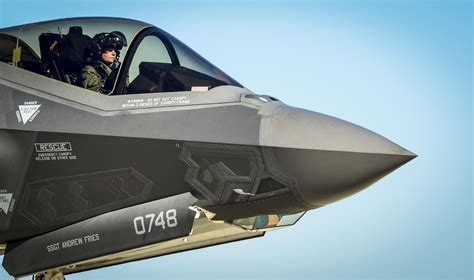
Indirect Control Mechanisms: The U.S. Grip on F-35 Operations
While the U.S. has denied the presence of a physical “kill switch,” concerns over American control of the F-35’s operational readiness continue to persist. The true extent of U.S. control lies not in direct sabotage but in indirect mechanisms that influence the aircraft’s continued functionality. These mechanisms, embedded within the design and operational framework of the F-35, include:
1. Logistical Networks and Software Dependence
The F-35 relies on specialized proprietary software systems like ALPS (Autonomic Logistics and Performance Support) and ODIN (Operational Data Integrated Network) for maintenance tracking, parts procurement, and performance updates. These systems are managed by the U.S. government, and without U.S.-approved access, critical operations such as stealth coating repairs and software upgrades would become impossible.
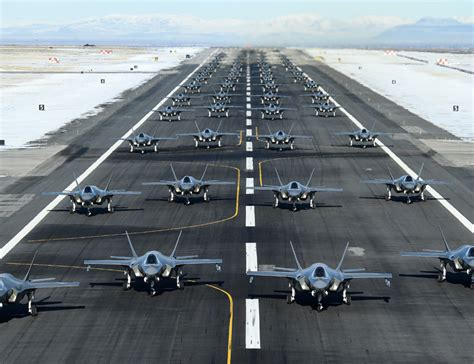
2. Supply Chain Dominance
More than 80% of the F-35’s components are sourced from U.S.-based suppliers or controlled by American entities. This significant reliance on U.S. supply chains means that any disruption in parts delivery, maintenance, or technical support would quickly degrade the aircraft’s combat readiness. Countries operating the F-35 would face a situation where their ability to maintain these advanced jets could be severely compromised if political relations deteriorate.
3. Mission Planning and Oversight
The mission planning software that powers the F-35’s operational capabilities is also U.S.-controlled. This software is crucial for strategic mission execution, and while it may not allow for a “kill switch” in the traditional sense, it could theoretically be used to restrict certain flight operations or deny critical mission-planning support to foreign operators.
Strategic Implications: The Geopolitical Risks for Allied Nations
The dependency on U.S.-controlled systems presents significant geopolitical risks for nations that have integrated the F-35 into their air forces. European countries like Germany, Denmark, and Canada are among those who have voiced concerns about this vulnerability. For instance, Germany’s €8.3 billion investment in the F-35 program comes with not only the purchase of the jets themselves but also the construction of specialized infrastructure that requires continued U.S. technical support.
Canada’s Strategic Weakness
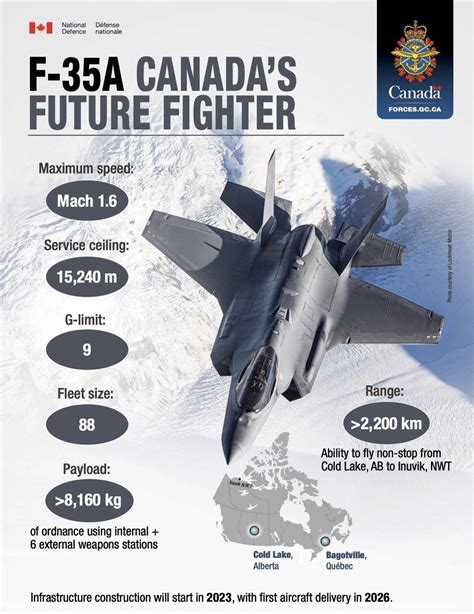
Canada, which operates a fleet of F-35s, faces a strategic weakness in its dependence on U.S.-managed software upgrades and logistical support. The U.S.’s control over these aspects of the aircraft’s operation could become a source of tension in any future bilateral disputes. Should relations sour, Canada’s ability to fully utilize its F-35 fleet could be at risk, leaving its military capabilities compromised in high-stakes situations.
Technical Limitations: The Complexities of F-35 Independence
Even without the hypothetical presence of a “kill switch,” the F-35’s complexity inherently limits the autonomy of its foreign operators. The aircraft’s advanced systems, including its stealth coatings, avionics, and sensor packages, require highly specialized facilities and technical expertise, most of which are controlled by U.S.-based entities.
1. Maintenance Challenges
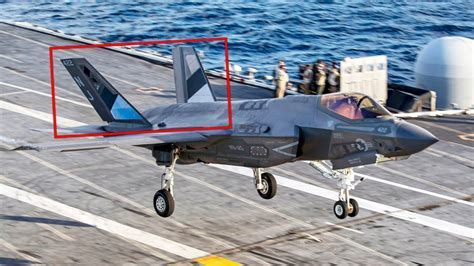
The stealth coatings that give the F-35 its low observability are not only difficult to apply but also require specialized maintenance procedures that are available only in a few U.S.-approved facilities worldwide. If these maintenance channels were cut off, the aircraft could lose its stealth capabilities, severely limiting its operational effectiveness.
2. Degraded Performance in High-Threat Environments
The F-35’s reliance on satellite-based navigation (e.g., GPS) and regular software patches means that its performance could be degraded if these services were withheld. In high-threat environments where electronic warfare is a concern, a lack of access to essential data and software updates could render the F-35 ineffective or significantly less capable.
Conclusion: A Geopolitical Trade-off
While there is no solid evidence to suggest the existence of a formal “kill switch” on the F-35, the aircraft’s design and operational framework suggest a high degree of U.S. influence over its capabilities. This dependence on U.S.-controlled logistics, maintenance, and software systems creates a form of de facto leverage, allowing the U.S. to influence the operational capabilities of its allied nations.
For partner nations, this represents a significant geopolitical trade-off. While the F-35 offers cutting-edge technology and a highly capable platform, it also comes with risks—primarily the potential for the U.S. to exert control over critical operational aspects. Nations considering or currently operating the F-35 must carefully weigh these factors in their defense strategies.
FAQ
1. Does the F-35 have an actual “kill switch”?
No, there is no physical “kill switch” on the F-35. The U.S. government and Lockheed Martin have denied its existence. However, the U.S. controls critical systems like software updates and mission planning, which could indirectly affect the aircraft’s operational capabilities.
2. What are the risks for countries operating the F-35?
Countries operating the F-35 face risks related to dependency on U.S.-controlled systems, including maintenance networks, software upgrades, and supply chains. If relations with the U.S. sour, the operational readiness of these aircraft could be severely impacted.
3. Why do European countries like Germany and Switzerland worry about the F-35?
European nations like Germany and Switzerland are concerned about the strategic vulnerabilities of relying on a U.S.-controlled asset. The potential for limited access to crucial maintenance or mission planning systems, as well as disruptions in supply chains, raises concerns about their autonomy and operational readiness in critical military situations.