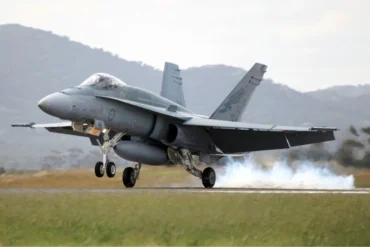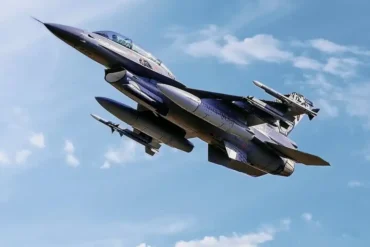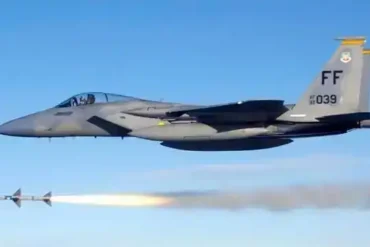
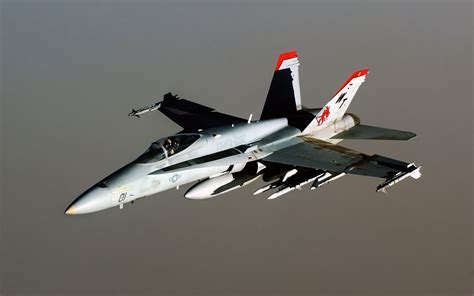
The F/A-18 Hornet is a highly maneuverable, twin-engine, supersonic fighter jet designed for both air superiority and ground-attack missions. While its aerodynamic design prioritizes agility and high-speed combat capabilities, its glide performance is notably limited compared to other aircraft. Understanding the F/A-18’s glide ratio is critical, particularly in engine-out emergency scenarios, where pilots must optimize their remaining altitude and airspeed to reach a suitable landing site.
What is Glide Ratio?
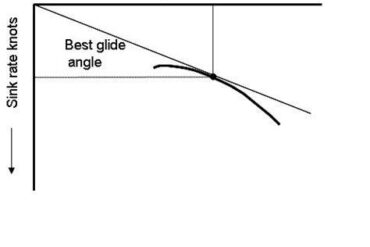
A glide ratio is the distance an aircraft can travel forward for every unit of altitude lost when it is flying without engine power. This ratio is heavily influenced by aerodynamic efficiency, weight, and pilot control inputs.
For the F/A-18 Hornet, the estimated glide ratio ranges between 4:1 and 5:1 in a clean configuration (without external stores or weapons). This means that for every 1,000 feet of altitude lost, the aircraft can glide forward approximately 4,000 to 5,000 feet. While this performance is sufficient for some emergency scenarios, it pales in comparison to commercial airliners and gliders.
Factors Affecting the F/A-18’s Glide Performance
1. Aerodynamic Design Limitations
The F/A-18 Hornet was engineered for high-speed combat performance rather than optimized glide efficiency. Key design characteristics that influence its glide ratio include:
- High Wing Loading: The ratio of weight to wing area is significantly higher in fighter jets, reducing their ability to sustain long glides.
- Delta Wing Design with Leading-Edge Extensions (LEX): While this design enhances maneuverability at high angles of attack, it also generates more induced drag in glide scenarios.
- Thrust-Dependent Flight Characteristics: The aircraft is built for high-speed operations, where engines play a crucial role in sustaining lift and reducing descent rates.
2. Optimal Glide Speed and Configuration
The best glide performance for the F/A-18 Hornet occurs at an airspeed of 250–300 knots, depending on its weight and loadout. However, several factors can reduce glide efficiency:
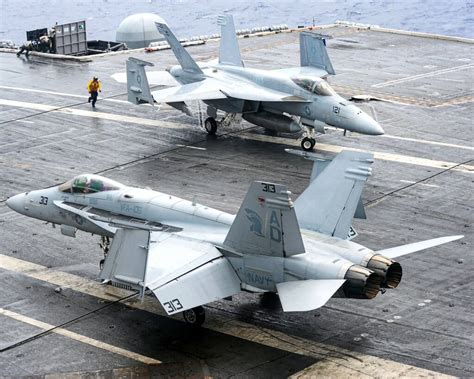
- Deploying Landing Gear: Extending the gear increases parasite drag, significantly reducing glide distance.
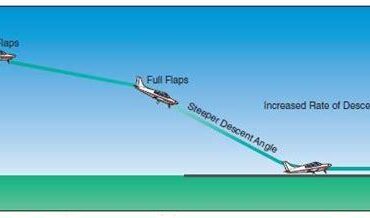
- Flaps Deployment: While flaps provide additional lift at low speeds, they also increase drag, further decreasing the effective glide ratio.
- External Stores: Carrying external weapons, fuel tanks, or sensors reduces aerodynamic efficiency and further shortens the glide range.
3. Weight Considerations
The glide performance of the F/A-18 is also dependent on its weight. A lighter aircraft, with minimal fuel and no external ordnance, will experience a slightly improved glide ratio. However, this improvement is marginal compared to more aerodynamically efficient aircraft.
4. Pilot Technique and Energy Management
A skilled pilot can maximize the F/A-18’s glide distance by employing the following techniques:
- Maintaining Optimal Airspeed: Flying too fast or too slow reduces the aircraft’s ability to extend its glide distance.
- Minimizing Drag: Keeping the aircraft in a clean configuration, avoiding abrupt maneuvers that increase drag.
- Energy Conservation: Balancing altitude and speed to optimize descent path toward a landing site.
Comparison with Other Aircraft
To better understand the F/A-18’s glide limitations, it is useful to compare it with other aircraft:
| Aircraft Type | Typical Glide Ratio |
|---|---|
| F/A-18 Hornet | 4:1 to 5:1 |
| Boeing 747 (Airliner) | ~15:1 |
| Cessna 172 (GA Aircraft) | ~9:1 |
| Space Shuttle | ~4.5:1 |
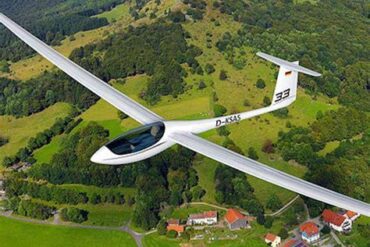
| Gliders | Up to 60:1 |
As evident from this comparison, fighter jets generally have poor glide performance compared to commercial airliners, general aviation aircraft, and gliders. Even the Space Shuttle, which was essentially an unpowered glider during reentry, has a similar glide ratio to the F/A-18.
Emergency Glide Scenarios in the F/A-18
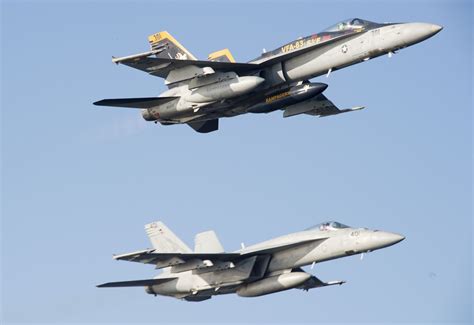
In the event of an engine failure, an F/A-18 pilot must quickly assess their altitude, speed, and available landing options. Key considerations include:
- Reaching a Runway or Carrier: The aircraft’s low glide ratio means pilots must act immediately to set up a safe approach.
- Minimizing Drag: Keeping the jet in a clean configuration as long as possible before final descent.
- Energy Management: Using altitude strategically to maintain airspeed and maneuverability.
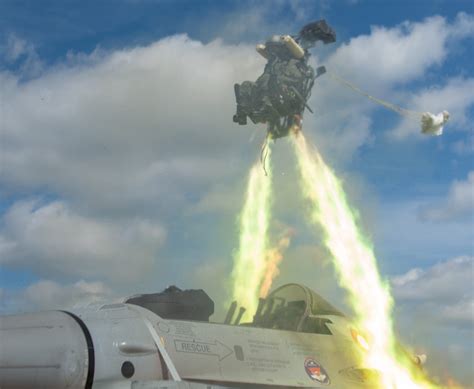
- Ejection Considerations: If reaching a safe landing area is impossible, pilots must prepare for ejection procedures.
FAQ Section
1. How does the F/A-18’s glide ratio compare to commercial airliners?
The F/A-18 Hornet’s glide ratio of 4:1 to 5:1 is significantly lower than that of commercial airliners like the Boeing 747, which has a glide ratio of approximately 15:1. This means that airliners can glide much farther in the event of an emergency.
2. What is the optimal airspeed for maximizing glide in an F/A-18?
The best glide performance for the F/A-18 Hornet occurs at approximately 250–300 knots indicated airspeed, depending on weight and aircraft configuration.
3. Can an F/A-18 glide to safety if both engines fail?
While the F/A-18 can glide a limited distance, its low glide ratio requires pilots to find a landing site quickly. If an airstrip or carrier is not within range, the pilot may need to eject to ensure survival.