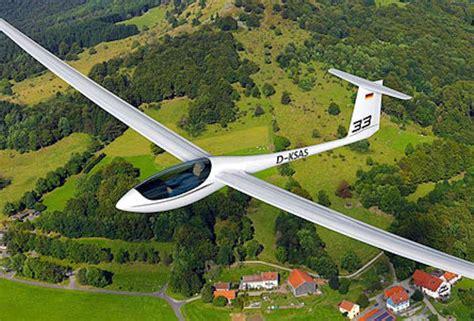
Gliders, or glide aircraft, are a captivating category of aircraft that have evolved over centuries, leveraging the forces of nature to remain airborne. These fixed-wing aircraft do not rely on engines for sustained flight, instead harnessing air currents and thermal updrafts to maintain their altitude and trajectory. While traditionally designed for sport, gliders have become a versatile tool, with applications in competitive sports, military, research, and recreational activities. In this article, we explore the history, types, uses, and technological advancements in gliding, offering insights into this fascinating mode of flight.
The Origins of Gliding: A Historical Perspective
The concept of gliding has its roots in early human attempts to fly. One of the first recorded instances of human-powered flight dates back to Abbas Ibn Firnas in the 9th century. Ibn Firnas, an Andalusian polymath, constructed a winged device that allowed him to glide for a short distance, although his invention was far from the sophisticated aircraft we recognize today. Otto Lilienthal, a German aviation pioneer in the late 19th century, is often regarded as one of the fathers of modern gliding. Lilienthal’s meticulous studies on aerodynamics led him to design and fly several gliders, and his work laid the foundation for future aviation advancements.
The Rise of Recreational Gliding
While the early 20th century saw significant advances in powered flight, it was the inter-war period that saw the true rise of recreational gliding, particularly in Germany and the United States. As aviation technology progressed, so too did the understanding of how aircraft could be used without the need for engines. The soaring community flourished as enthusiasts discovered the joy and challenge of riding the wind. During the 1920s and 1930s, several countries began developing specialized gliders, which became increasingly popular for both leisure and sport.
Military Applications: Gliders in Wartime
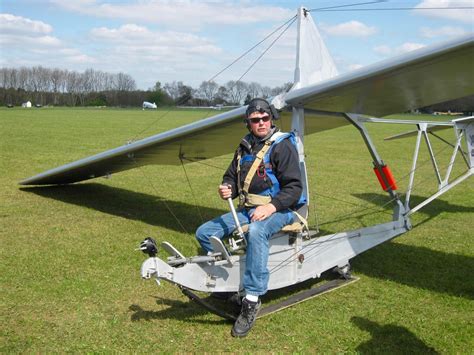
Despite their roots in recreational flight, gliders also found their place in military operations. During World War II, gliders played a crucial role in troop landings, particularly in the Normandy Invasion on D-Day. These silent aircraft were used to carry troops and equipment into enemy territory, offering a stealthy approach compared to conventional parachute drops. Notable gliders used in the war include the Waco CG-4 and the DFS 230, both of which were utilized extensively by the Allies and Axis powers alike. Although gliders were eventually phased out of military use in favor of more advanced technologies, their contribution to the war effort cannot be overstated.
Modern Types of Glide Aircraft
Today, gliders come in various shapes, sizes, and designs, each tailored for specific types of flight and purposes. The most common types include:
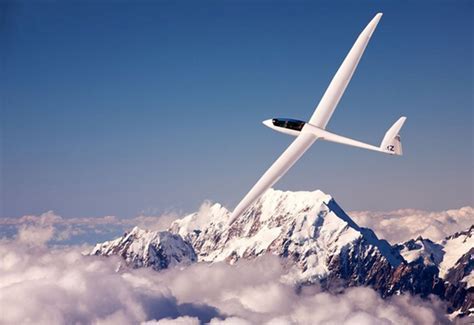
- Sailplanes – These are high-performance gliders designed for cross-country flying and competitions. They are optimized for efficiency and can stay aloft for hours, covering vast distances by catching thermal updrafts.
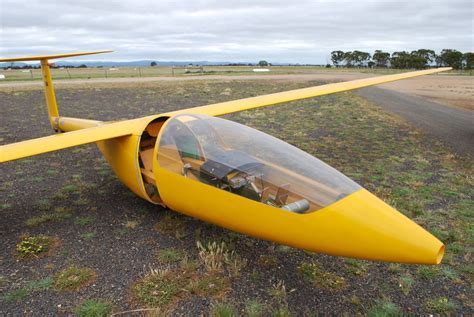
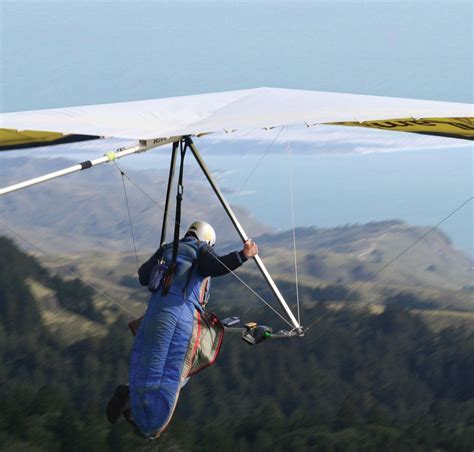
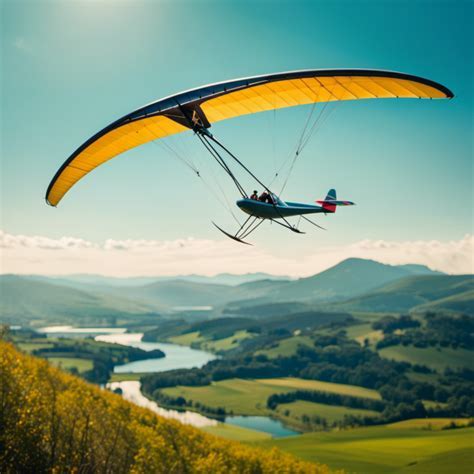
- Hang Gliders – A more lightweight and portable option, hang gliders are typically flown by a single pilot suspended beneath a large, flexible wing. This form of gliding is often used for recreational flying and is popular in coastal regions where wind currents are strong.
- Paragliders – Paragliding, while different from traditional gliding, shares similar principles of flight. Paragliders use a fabric wing and harness system to soar through the air, allowing for extreme maneuverability and easy portability.
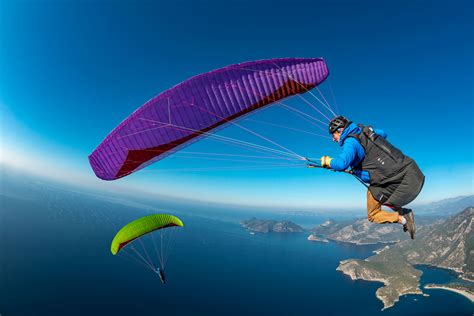
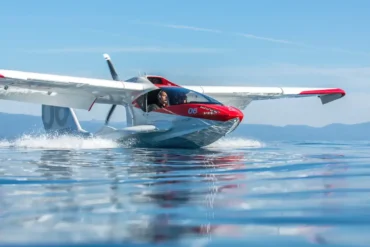
- Motor-Gliders – These hybrid aircraft feature small engines that assist in maintaining altitude, providing an additional layer of control when thermal conditions are weak or unreliable. Some motor-gliders are capable of self-launching, eliminating the need for external tow planes.
Competitive Gliding: The Art of Soaring
One of the most popular aspects of gliding today is competitive soaring. Pilots enter a variety of events, including cross-country races and aerobatic competitions. In cross-country gliding, pilots fly from one airfield to another, using only natural updrafts, or thermals, to stay airborne. These flights can cover hundreds of kilometers, with the fastest gliders capable of achieving speeds of over 200 kilometers per hour.
Aerobatic gliding, on the other hand, involves performing intricate maneuvers such as loops, rolls, and spins. These competitions require precise control, as gliders are far less stable than powered aircraft and require great skill to fly at such high levels of performance. International competitions like the FAI World Gliding Championships attract top pilots from around the globe to showcase their skills and battle for supremacy.
Gliders in Research and Military Use
Beyond recreation and sport, glide aircraft have found valuable applications in research and military fields. In the 20th century, rocket-powered gliders were used to simulate high-speed, high-altitude flight for aerospace research. These experimental gliders, such as the X-15, were used to gather data on aerodynamics, propulsion, and flight behavior at the edge of space.
Another notable use of gliders in the research field is in the study of air currents and weather patterns. Scientists have employed gliders to fly through atmospheric phenomena, collecting valuable data that would otherwise be difficult to obtain. The ability to stay aloft for extended periods without the need for fuel makes gliders an excellent tool for these types of studies.
The Role of Gliders in Modern Aviation
Today, gliders continue to influence aviation in both direct and indirect ways. The principles of efficient flight without engines have inspired the development of greener technologies, such as electric aircraft and sustainable aviation practices. Gliders also serve as a training tool for new pilots, teaching them the fundamentals of flight, including how to handle an aircraft without the reliance on engines.
Conclusion: The Legacy and Future of Glide Aircraft
Gliders represent the pinnacle of flight through natural forces, offering a unique blend of freedom, skill, and connection to the environment. From their humble beginnings with pioneers like Abbas Ibn Firnas and Otto Lilienthal to their role in competitive soaring and military operations, gliders have a rich and diverse history that continues to captivate aviation enthusiasts worldwide.
As technology advances, gliders are likely to evolve further, with new designs pushing the boundaries of flight. Whether for sport, research, or environmental purposes, glide aircraft remain a testament to humanity’s ingenuity and desire to conquer the skies.