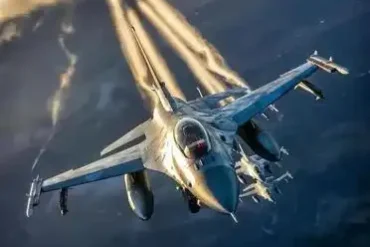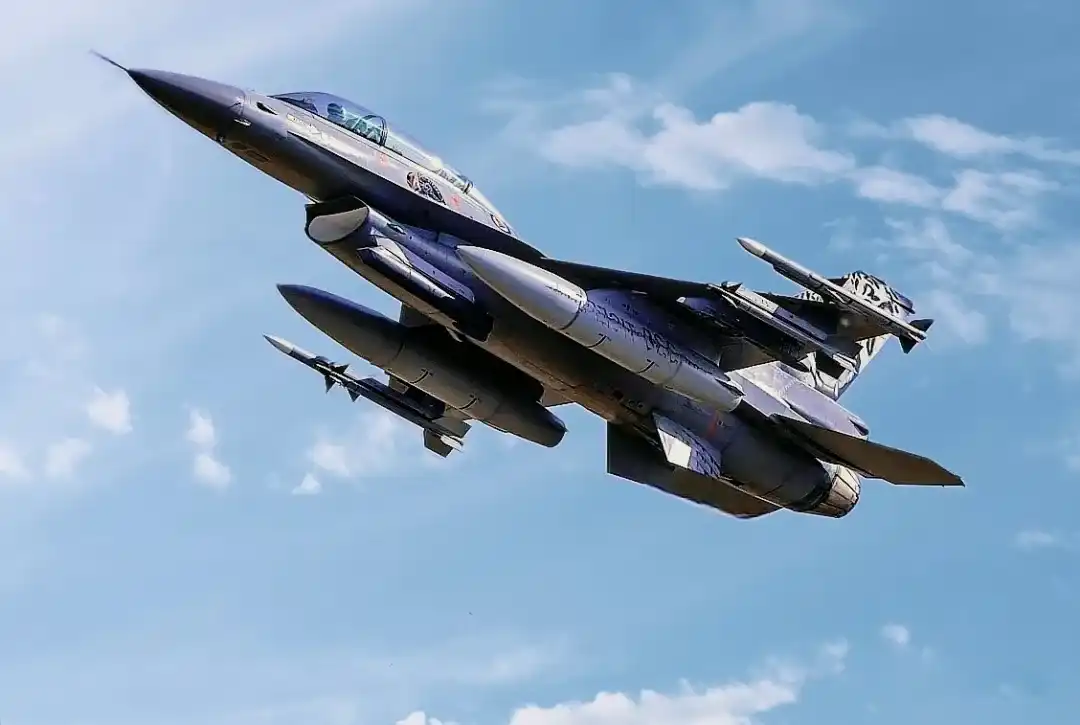
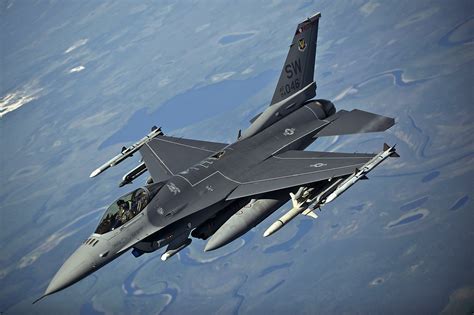
The F-16 Fighting Falcon is one of the most iconic and battle-tested multirole fighters in the history of military aviation. Since its introduction in the late 1970s, it has consistently demonstrated superior air combat capabilities, resulting in an exceptional kill ratio. With a reported 71:0 air-to-air kill ratio, the F-16 has established itself as a dominant force in aerial engagements. This article explores the factors that contribute to its success, historical battles that define its legacy, and ongoing developments to maintain its edge in modern warfare.
F-16 Kill Ratio: An Unmatched Record
A kill ratio in aerial combat refers to the number of enemy aircraft destroyed relative to losses suffered. The F-16’s 71:0 record underscores its effectiveness in dogfights and beyond-visual-range engagements. This impressive statistic is a testament to its advanced avionics, exceptional maneuverability, superior weapons systems, and elite pilot training.
Key Historical Engagements
1982 Lebanon War: Bekaa Valley Air Battle
One of the most defining moments for the F-16 occurred during the Bekaa Valley air battle in the 1982 Lebanon War. In coordination with F-15s, Israeli Air Force (IAF) F-16s decimated 82 Syrian aircraft (primarily MiG-21s and MiG-23s) in a single day without suffering any losses, achieving an astonishing 82:0 kill ratio. This battle demonstrated the F-16’s superior avionics, missile systems, and the advantage of well-coordinated air combat strategies.
Operation Opera (1981)
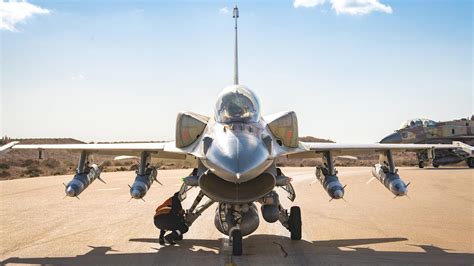
In a high-risk strategic mission, Israeli F-16s executed a precision strike on Iraq’s Osirak nuclear reactor. Though not an air-to-air engagement, this mission highlighted the aircraft’s ability to penetrate enemy defenses and deliver precision-guided munitions with remarkable accuracy.
1991 Gulf War
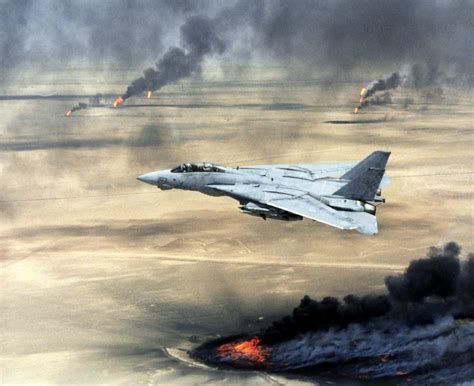
During Operation Desert Storm, the F-16 played a crucial role in the coalition’s air campaign. Flying over 13,340 combat sorties, F-16s engaged Iraqi aircraft and ground targets. Though two F-16s were lost to Iraqi surface-to-air missile (SAM) defenses, the fighter’s effectiveness in air-to-ground operations and its survivability in contested airspace reinforced its status as a premier multirole aircraft.
1996 Aegean Incident
A rare blemish on the F-16’s otherwise flawless air-to-air combat record occurred in 1996 when a Turkish F-16 was shot down by a Greek Mirage 2000 over the Aegean Sea. This remains one of the very few acknowledged air-to-air losses of an F-16, demonstrating that while superior, the aircraft is not invulnerable in complex engagements.
Key Factors Behind the F-16’s High Kill Ratio
1. Advanced Avionics and Radar Systems
The F-16 is equipped with cutting-edge avionics, allowing for superior situational awareness and targeting. The AN/APG-68 radar provides advanced target acquisition, while modern variants like the F-16V Block 70/72 are equipped with AN/APG-83 AESA radar, significantly enhancing detection, tracking, and engagement capabilities.
2. Exceptional Maneuverability
A key advantage of the F-16 is its agility. With a thrust-to-weight ratio exceeding 1:1, it can outperform many adversaries in close-quarters dogfights. The aircraft’s fly-by-wire control system ensures precise handling, allowing pilots to execute rapid turns and high-G maneuvers.
3. Cutting-Edge Weaponry
The F-16’s air-to-air combat capabilities are reinforced by its arsenal of weapons:
- AIM-120 AMRAAM: Beyond-visual-range missile, capable of engaging enemy aircraft at long distances.
- AIM-9 Sidewinder: Short-range infrared missile ideal for dogfights.
- M61 Vulcan 20mm Cannon: A rapid-fire cannon effective in close-range engagements.
4. Superior Pilot Training
The success of the F-16 is not just due to its hardware but also the exceptional training of its pilots. Exercises such as Red Flag (U.S. Air Force) and Top Gun (U.S. Navy) ensure that F-16 pilots are trained to handle complex combat scenarios against advanced adversaries.
Controversies and Limitations
1. Criticism of Kill Ratio Metrics
Some critics argue that the kill ratio does not paint the full picture, as it does not account for aircraft lost to surface-to-air missiles (SAMs) or operational losses. The two F-16s lost during the Gulf War were not included in air-to-air kill statistics, leading some analysts to question the validity of the reported 71:0 kill ratio.
2. Emerging Threats
While the F-16 has dominated previous engagements, modern adversaries pose a growing challenge. Advanced fighters such as the Russian Su-35 and Chinese J-20 stealth fighter introduce next-generation stealth and electronic warfare capabilities, challenging the F-16’s ability to maintain air superiority.
3. Dependence on Upgrades
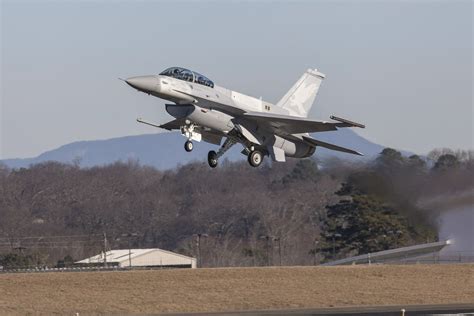
To remain competitive, the F-16 has undergone continuous upgrades. The F-16V Block 70/72 variant features advanced avionics, improved radar, and enhanced electronic warfare capabilities. These improvements are crucial for ensuring the aircraft remains relevant in an era of fifth-generation stealth fighters.
Global Impact and Future Outlook
The F-16 remains operational in over 25 air forces worldwide, proving its reliability and versatility. Countries like Taiwan, South Korea, and Greece are investing in modernized F-16 variants, ensuring its continued relevance. Additionally, the United States is exporting upgraded F-16s to allied nations to bolster global air power.
With the introduction of the AIM-260 Joint Advanced Tactical Missile (JATM) and potential integration of next-gen electronic warfare systems, the F-16 is expected to remain a formidable combat aircraft well into the 21st century.
Conclusion
The F-16 Fighting Falcon’s impressive kill ratio is a testament to its superior design, exceptional pilot training, and advanced combat capabilities. While modern threats from fifth-generation fighters and evolving air defense systems present new challenges, continued upgrades and operational experience ensure that the F-16 remains one of the most effective and widely used multirole fighters in the world.
FAQ
1. Has the F-16 ever been shot down in air-to-air combat?
Yes, the most well-documented air-to-air loss of an F-16 occurred in 1996, when a Greek Mirage 2000 shot down a Turkish F-16 over the Aegean Sea. However, such incidents are extremely rare compared to the aircraft’s numerous victories.
2. How does the F-16 compare to modern fifth-generation fighters?
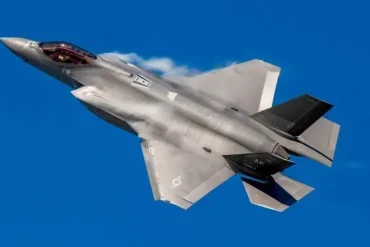
While the F-16 is a fourth-generation fighter, continuous upgrades such as AESA radar, advanced electronic warfare systems, and modern weaponry allow it to remain competitive. However, stealth aircraft like the F-35 and J-20 have an edge in stealth and situational awareness.
3. What makes the F-16’s kill ratio so high?
The combination of superior avionics, maneuverability, weapons systems, and pilot training has contributed to the F-16’s remarkable air combat record, making it one of the most successful fighter jets in history.