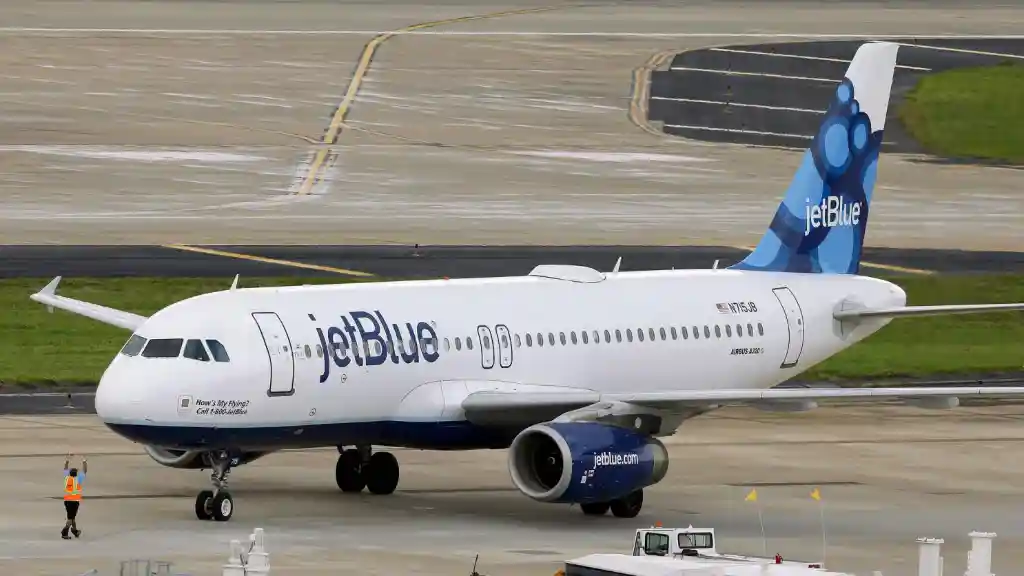
JetBlue’s introduction of Blue Basic fares marked a pivotal moment in the airline’s evolution, aligning it with other major carriers in the competitive basic economy space. While the fare class offers a visibly lower ticket price, the embedded restrictions can significantly impact the travel experience—particularly for frequent flyers and elite members. By dissecting every layer of this fare option, we aim to provide a clear, nuanced understanding of its real value proposition.
The Purpose Behind Basic Economy Fares
Basic economy exists not merely as a budget option but as a revenue management strategy. JetBlue, like its legacy counterparts, rolled out Blue Basic in 2019 as a response to rising competition from ultra-low-cost carriers such as Spirit, Frontier, and Allegiant. However, the fare serves a deeper commercial intent: it segments customer types and subtly nudges travelers toward higher-yield fare classes by making the cheapest option strategically uncomfortable.
While Blue Basic passengers still enjoy JetBlue’s renowned in-flight amenities—free Wi-Fi, seat-back entertainment, and complimentary non-alcoholic beverages—the similarities with standard economy end there. What follows is a closer examination of the significant trade-offs attached to Blue Basic bookings.
Limited TrueBlue Points Earning Potential
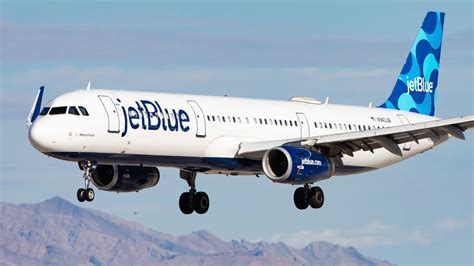
One of the key drawbacks of JetBlue Blue Basic fares is the reduced reward accumulation in the TrueBlue frequent flyer program. Travelers booking these low-cost tickets earn just 2x TrueBlue points per dollar spent when purchasing directly through JetBlue. In contrast, those booking standard Blue fares earn 6x points per dollar.
Given that TrueBlue points carry an approximate value of 1.3 cents each, Blue Basic passengers miss out on a roughly 5.2% return in loyalty rewards. Although all fares—including Blue Basic—contribute equally toward earning Mosaic elite status through JetBlue’s tile system, the points gap alone is a significant disincentive for travelers who prioritize long-term loyalty benefits.
Restrictions on Seat Assignments
JetBlue’s Blue Basic fares impose firm limitations on seat selection, a factor that can greatly influence comfort, especially on longer routes. These restrictions manifest as follows:
- Seat assignments are not permitted at the time of booking unless travelers are willing to pay an additional fee.
- Free seat selection opens only within 24 hours of departure.
- Mosaic members, despite their status, are not exempt from these restrictions and must adhere to the same seat assignment rules.
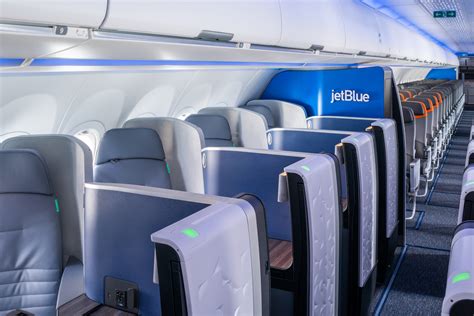
This policy can make planning more stressful for families, groups, or those needing aisle or window seating. Even travelers considering EvenMore Space seats—JetBlue’s premium economy product—will pay more to reserve these seats under a Blue Basic ticket than they would under standard Blue fares.
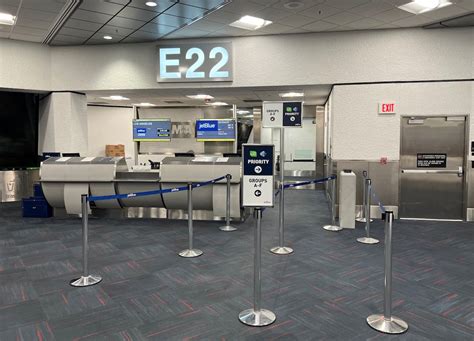
Last Group Boarding: Group F
JetBlue enforces last group boarding (Group F) for Blue Basic passengers. While this may seem like a minor inconvenience, it can lead to overhead bin space scarcity, especially on busy routes. Travelers without Mosaic status will need to strategize their boarding approach if they intend to bring a carry-on item.
It is worth noting that carry-on bags are included in Blue Basic fares—unlike some basic economy tickets from other U.S. airlines—so passengers retain the ability to bring a full-size bag onboard. However, with delayed boarding, bin space competition can nullify this benefit unless one acts swiftly.
Reduced Flexibility for Changes and Cancellations
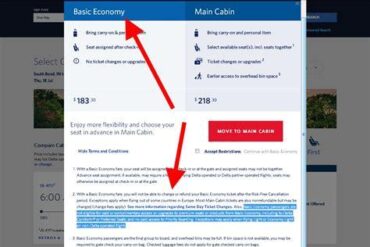
Unlike JetBlue’s more flexible fare classes, Blue Basic fares come with rigid policies for flight changes and cancellations. While JetBlue has eliminated change fees on many fares, Blue Basic remains a notable exception.
Here’s what travelers face:
- For flights within North America, Central America, or the Caribbean, changes or cancellations incur a $100 penalty.
- For transatlantic routes, the penalty climbs to $200.
Although the fare’s value can be applied to a future ticket, this comes at a cost that may significantly offset the initial savings. This aspect is particularly unappealing for travelers with unpredictable schedules or business obligations.
Diminished Perks for Mosaic Elite Members
JetBlue’s Mosaic elite travelers face perhaps the steepest value compromise under Blue Basic fares. Despite maintaining eligibility for priority boarding, other core perks are stripped away:
- No complimentary EvenMore seats, which are usually a hallmark Mosaic benefit.
- No same-day flight changes, a valuable feature for flexible, frequent flyers.
- No preferred seat selection at the time of booking.
In essence, these fares dilute the hard-earned benefits of elite status, making them far less appealing to JetBlue’s most loyal customers.
Evaluating the Price Difference: Is It Really Worth It?
Ultimately, the decision to book a Blue Basic fare hinges on the price differential between fare tiers. In many instances, the cost to upgrade to a standard Blue fare is relatively minimal.
Take for example a New York to Boston flight. Blue Basic fares may be priced at $69, while the standard Blue fare could cost $94. That’s a $25 difference. However, opting for an EvenMore Space seat under a Blue Basic booking may add an extra $10—whereas the same seat costs less under a Blue fare. After adding this cost, the actual savings may shrink to a mere $15, while still sacrificing flexibility and loyalty perks.
For a longer flight, like New York to London, Blue Basic might be $100 cheaper than a standard fare. But this savings needs to be weighed against the cost of added seat selection, reduced points accrual, and high change fees. In many cases, the lower fare is only viable if travel plans are fixed and seat preferences minimal.
The Hidden Costs of Recreating Standard Economy
Blue Basic fares tempt travelers with a budget-friendly price, but they also introduce friction into the journey. While it’s technically possible to recreate a standard economy experience by paying à la carte for seat selection or priority boarding, these upgrades erode any cost advantage.
JetBlue also prices upgrades such as EvenMore seats differently based on fare class. This creates a pricing model where what seems like a deal upfront becomes a nickel-and-dime experience once travelers attempt to restore comfort and convenience. A $25 savings on the base fare can easily vanish once extras are added.
Strategic Use Cases: When Blue Basic Makes Sense
There are scenarios where Blue Basic fares still offer strategic value. For example:
- Short-haul flights where seat selection is less important.
- One-way trips with fixed dates and no need for changes.
- Price-sensitive leisure travelers without Mosaic status.
For infrequent flyers or those comfortable with last-minute logistics, Blue Basic may still deliver a good return. But for anyone valuing flexibility, comfort, or rewards, the fare class introduces avoidable compromises.
Final Thoughts: Weighing Value vs. Restrictions
The Blue Basic fare is a tool—both for airline revenue optimization and traveler segmentation. JetBlue positions it as a low-cost gateway into its network, but the fare’s fine print holds material implications.
When evaluating whether Blue Basic is worth it, ask:
- How much am I truly saving?
- Do I value seat choice, flexibility, or loyalty perks?
- Will I end up paying more later to restore missing conveniences?
In most cases, the marginal cost of upgrading to a Blue fare is modest when weighed against the value of what’s forfeited. For Mosaic elites especially, Blue Basic fares represent a diminished experience. Unless the savings are significant and the travel circumstances ideal, booking Blue Basic often feels like a false economy.