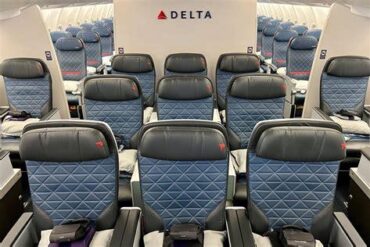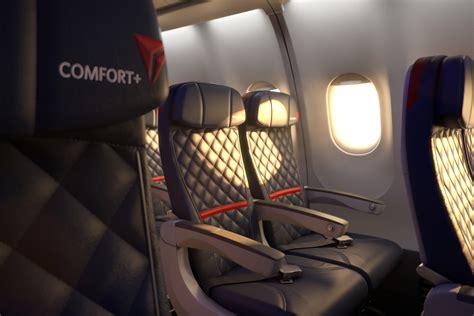
Delta Air Lines has introduced its new Comfort Basic fare, a lower-priced entry point into the airline’s extra-legroom Delta Comfort seating product. This new tier has been launched on select domestic routes, offering passengers the physical perks of Delta Comfort without the full flexibility traditionally associated with the cabin. As airlines continue refining price segmentation, Comfort Basic marks Delta’s attempt to merge premium seating with an unbundled fare model designed for cost-conscious travelers seeking elevated comfort.
Delta Introduces a New Tier Within Its Comfort Product Line
Delta announced the rollout of Comfort Basic on November 6, positioning it as a more affordable pathway into its popular extra-legroom seats. The fare became available on limited routes beginning November 19, with the airline signaling that broader expansion is expected. Delta frames Comfort Basic as the ideal option for travelers who want spacious seating and a premium onboard experience but are willing to forgo certain booking freedoms to secure a lower fare.
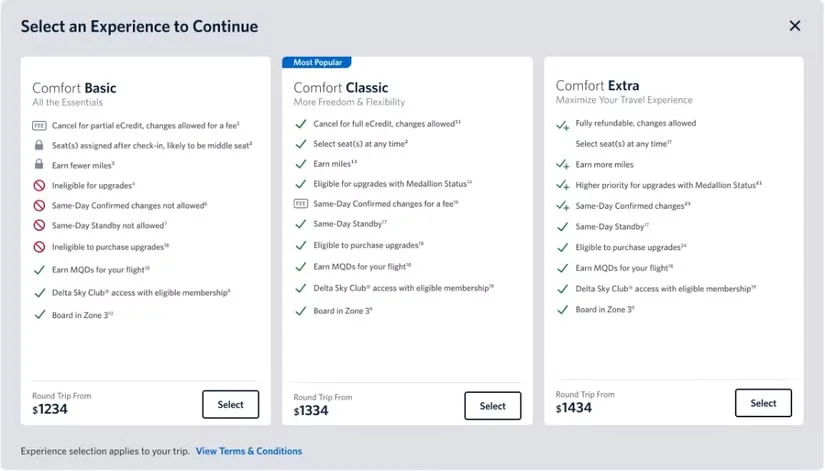
Despite a reduced price, Delta maintains several hallmark elements of its Comfort product. Passengers booking Comfort Basic still enjoy additional legroom, complimentary beverages, dedicated overhead bin space and Zone 3 boarding, elements traditionally valued by frequent flyers. These inclusions allow the fare to deliver the core Comfort experience without compromising the cabin’s advantages. But the airline makes clear that the reduced price comes with a structured set of limitations designed to differentiate Comfort Basic from its higher-tier siblings.
A Three-Tier System: Comfort Basic, Comfort Classic, and Comfort Extra
Delta now organizes its Comfort offering into three categories: Basic, Classic and Extra. Comfort Basic sits at the entry level, carrying the fewest benefits but retaining the essential features of the onboard product. Passengers booking Comfort Basic must accept that no seat assignment is permitted until check-in. This increases the likelihood of being placed in a middle seat, a trade-off that may deter those who prioritize personal space or specific seating preferences.
The fare also restricts flexibility. Flight changes and cancellations incur fees, Same-Day Change privileges are removed and Same-Day Standby is unavailable. Award redemptions cannot be booked under Comfort Basic, further differentiating it from Comfort Classic and Comfort Extra. Mileage earnings are reduced to two miles per dollar spent, reflecting the fare’s status as a stripped-down premium option. By contrast, Classic and Extra maintain more generous mileage accrual, flexible tickets, upgrade eligibility and booking conveniences.
Who Stands to Benefit From Comfort Basic?
Comfort Basic appeals to a specific type of traveler. Those who value extra legroom above all else and have minimal concern about seating assignment flexibility may see the fare as an advantageous trade. Business travelers with fixed schedules or families seeking to sit together may find the lack of seat selection until check-in too limiting. Yet solo travelers and budget-minded passengers who still want elevated comfort may view Comfort Basic as an accessible path into the premium economy-adjacent experience without committing to a higher fare.
Delta’s strategy is consistent with a broader industry shift toward unbundled fares. By separating comfort from flexibility, the airline caters to a wider range of travel behaviors, capturing customers who might otherwise opt for regular Main Cabin seating. The model resembles the structure found in Delta’s Main Cabin and Basic Economy tiers, extending segmentation into the extra-legroom category.
Potential Expansion Into Premium Cabins: Delta One Basic
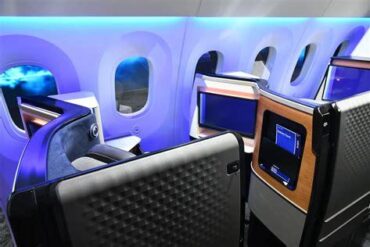
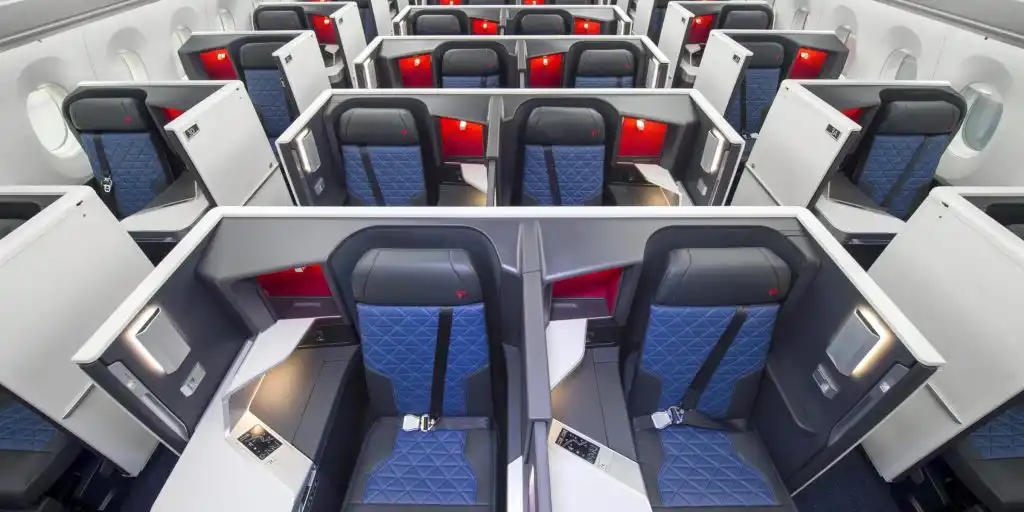
Delta has also hinted at the possibility of expanding the unbundled fare structure into its premium international cabins, including Delta One. Such a move would position the airline ahead of competitors; neither American Airlines nor United Airlines currently offer a basic version of their extra-legroom or business-class products. Introducing a business-class basic fare would be a notable evolution in fare segmentation, though it carries potential risks. Premium cabin clientele tend to expect maximum flexibility and personalized service, and restricting those features may test customer tolerance.
Industry analysts note that unbundling often encourages passengers to upgrade to avoid restrictions. The trend began with low-cost carriers and has gradually spread to legacy airlines seeking to diversify revenue streams. As Delta continues refining its fare structure, Comfort Basic serves as a proving ground for how far the airline can stretch unbundling into higher-value cabins.
What Comfort Basic Means for the Future of Delta Travel
The arrival of Comfort Basic signals Delta’s broader commitment to tiered pricing models, allowing passengers to choose their level of comfort and flexibility more precisely. The new fare may reshape booking behavior within the Comfort cabin, creating a clearer stepping-stone between Main Cabin and the more premium tiers. While the likelihood of middle-seat assignments may be a dealbreaker for some, others will welcome the chance to obtain Delta Comfort’s signature perks for a lower price.
As airlines continue experimenting with unbundling premium experiences, Comfort Basic represents Delta’s latest step toward a more segmented, choice-driven travel environment. The fare’s long-term success will likely determine how aggressively Delta pushes similar Basic options into its upper-tier cabins in the future, potentially redefining the landscape of premium travel across the industry.