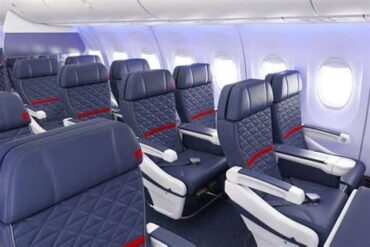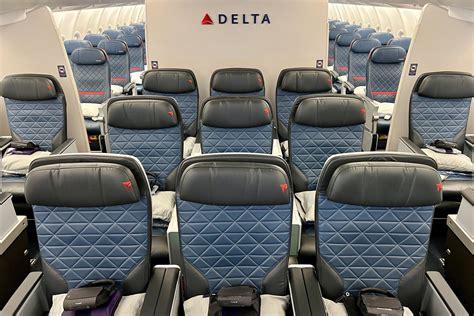
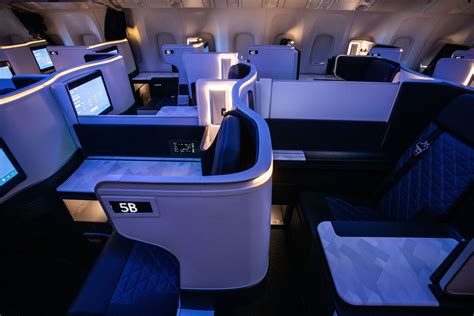
Delta Air Lines is preparing for a major transformation of its long-haul cabin strategy, with its upcoming Boeing 787-10 Dreamliner fleet expected to feature a premium-heavy configuration that places more than half of its seats in higher-value cabin categories. The move highlights Delta’s continued focus on increasing premium revenue as airlines compete for travelers willing to pay more for comfort, flexibility, and enhanced onboard experiences.
The airline ordered 30 Boeing 787-10 aircraft in January, with deliveries expected to begin in 2031. These aircraft will play a key role in replacing older Boeing 767 widebody jets, particularly on transatlantic routes between the United States and Europe. Delta executives have indicated that the new Dreamliners will represent a significant increase in premium capacity compared with the aircraft they replace.
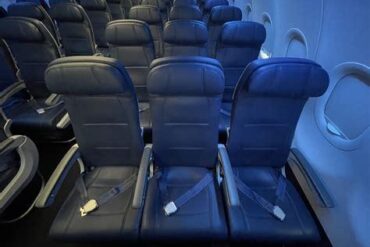
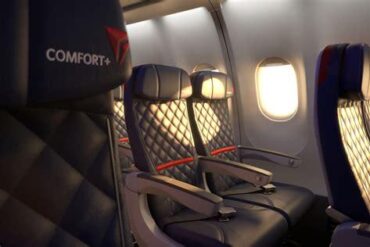
During Delta’s July earnings call, Chief Commercial Officer Joe Esposito explained that the upcoming 787-10 fleet will move from approximately 30% premium seating on existing Boeing 767 aircraft to more than 50% premium seating on the new aircraft. The shift reflects a broader industry trend where airlines are redesigning cabins around higher-margin products rather than simply maximizing economy seating.
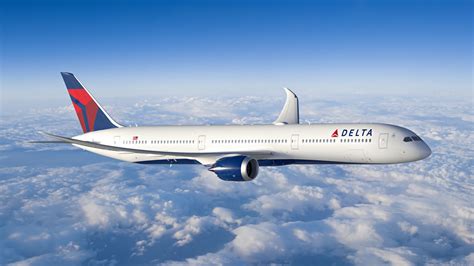
A Boeing 787-10 Designed for Premium Long-Haul Travel
The Boeing 787-10 is becoming an important part of Delta’s future international fleet strategy. Unlike smaller versions of the Dreamliner family, the 787-10 offers a larger passenger capacity while maintaining the aircraft’s fuel-efficient design and long-range capabilities. Delta plans to use the aircraft primarily on routes where demand for premium travel remains strong.
The aircraft will replace aging Boeing 767-300ER and Boeing 767-400ER fleets, which have served as some of Delta’s most important transatlantic workhorses. While the 767 has provided reliable service for decades, newer aircraft allow airlines to redesign cabin layouts with a greater focus on premium products.
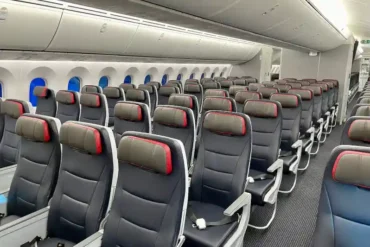
The size difference between the aircraft is substantial. A Boeing 787-10 can accommodate up to 375 passengers in a standard two-class layout, while Delta’s Boeing 767-300ER and 767-400ER aircraft typically carry significantly fewer passengers. Beyond passenger capacity, the Dreamliner also provides increased cargo capability, with Delta noting that the 787-10 can handle roughly twice the cargo volume of the 767 models it will replace.
For Delta, the aircraft is not simply a fleet replacement. It represents a new approach to international flying, where widebody aircraft are increasingly used as platforms for premium growth. The airline views long-haul markets such as continental Europe as highly efficient opportunities where larger aircraft can support both passenger and cargo demand.
Delta One Basic Introduces a New Approach to Business Class Pricing
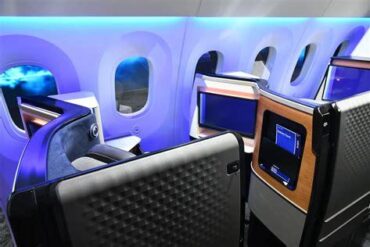
The arrival of the 787-10 strategy comes shortly after Delta introduced a new Delta One Basic fare option, creating a more segmented approach to business class travel. Unlike traditional discounted business class tickets, the new fare keeps the same Delta One seat and onboard service while removing several benefits that travelers previously received.
Passengers choosing Delta One Basic will still experience the physical business class product, including the premium seat and associated service, but they will face restrictions involving features such as seat selection, refundability, and full mileage earning opportunities.
This approach mirrors Delta’s previous move with restricted economy fare products, where lower-priced tickets attract price-sensitive customers while premium travelers continue paying for additional flexibility. By applying the same concept to business class, Delta is attempting to capture more revenue from customers who want the premium experience but are willing to accept fewer benefits.
The strategy shows how airlines are increasingly treating cabin classes as flexible revenue platforms rather than fixed products. Instead of offering only one business class price, carriers are creating multiple versions of the same seat with different levels of convenience and loyalty benefits.
Delta’s Broader Premium Cabin Expansion Strategy
The Boeing 787-10 order fits into a wider fleet modernization strategy that Delta has pursued for more than a decade. The airline has consistently replaced older aircraft with newer models designed to improve efficiency while increasing the percentage of higher-value seats.
This strategy has already appeared across Delta’s narrowbody and widebody fleets. New aircraft such as the Airbus A321neo have been configured with expanded first-class sections, while older aircraft types have gradually been removed from service. Delta has also emphasized that it does not expect to increase economy seating capacity significantly in the near term, instead directing more aircraft space toward premium cabins.
The same philosophy will apply to Delta’s upcoming Airbus A350-1000 aircraft, which are expected to introduce the airline’s next-generation Delta One experience. These aircraft will also feature a significant premium focus, reinforcing Delta’s goal of making premium cabins a central part of its international growth model.
Other major airlines are following similar strategies. United Airlines has introduced its own premium-focused Boeing 787-9 “Elevated” configuration, featuring a larger number of premium seats divided between Polaris business class and premium economy. International carriers have also used restricted business class fares for years, showing that Delta’s approach reflects a broader industry evolution.
What Delta’s Premium Shift Means for Travelers
For passengers, Delta’s future widebody strategy creates both opportunities and challenges. The increase in premium seating means travelers may find more availability in business class and premium economy cabins as the airline expands inventory. However, access to those seats may become increasingly dependent on fare choices and additional payments.
Corporate travelers are likely to continue selecting flexible fare options because schedule changes, refunds, and loyalty benefits remain important. Leisure travelers, meanwhile, may find Delta One Basic attractive if the priority is simply experiencing a premium seat at a lower price.
The long-term impact could extend beyond Delta. If the airline’s premium fare segmentation performs successfully, competitors may adopt similar models across their own business class products. The result could be a future where business class is no longer a single product but a collection of options based on flexibility, benefits, and price.
Delta’s Boeing 787-10 fleet will not arrive until 2031, but the direction of the airline’s strategy is already clear. The carrier is building a future centered on premium capacity, advanced aircraft, and increasingly personalized pricing models. As airlines compete for high-value travelers, the traditional boundaries between cabin classes are likely to continue changing.