London’s aviation landscape has just witnessed an extraordinary burst of momentum, as London Gatwick Airport—the United Kingdom’s second-busiest airport—welcomes its fifth new airline within an astonishing 11-day window. In an industry often defined by cautious expansion and long-term planning, this rapid influx signals something far more dynamic: a renewed confidence in air travel demand, a strategic push for greater airline diversity, and a clear indication that Gatwick is aggressively positioning itself as a competitive global hub.
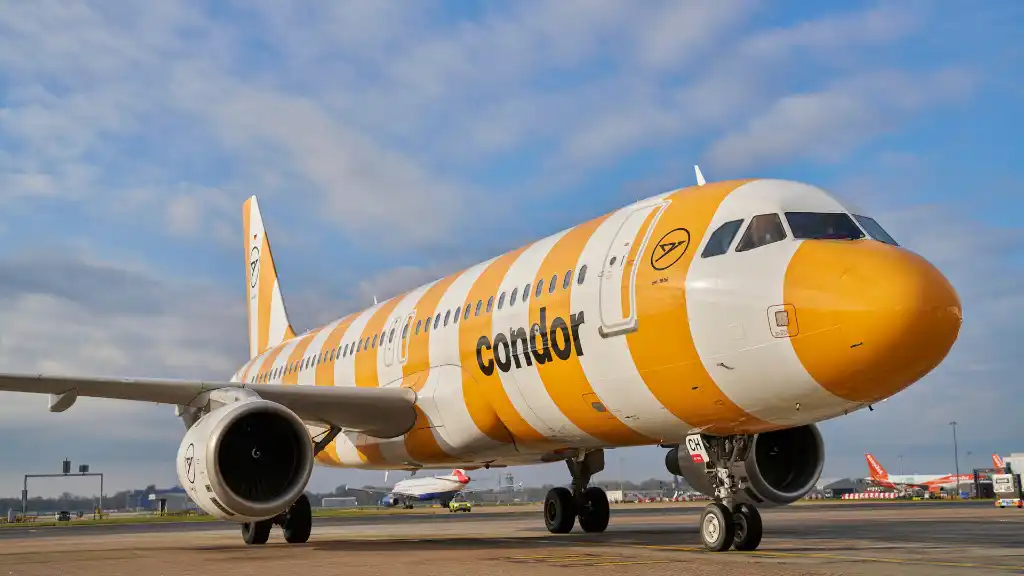
At the center of this surge is the arrival of Condor, the German leisure airline making its long-anticipated debut in the UK market. Its inaugural route between Frankfurt and London is not just another addition to the departure boards—it represents a strategic bridge between one of Europe’s most important financial centers and a major international gateway.
This wave of new entrants transforms Gatwick from a traditionally leisure-focused airport into a multi-dimensional aviation hub, capable of accommodating both low-cost and premium long-haul connectivity. For travelers, this means more options, better pricing, and improved connectivity across continents.
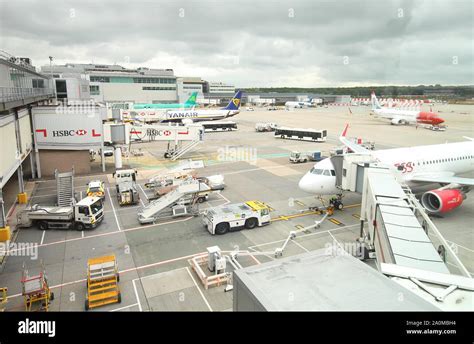
A Record-Breaking 11 Days: Gatwick’s Unprecedented Airline Expansion
The aviation industry thrives on milestones, but what Gatwick has achieved in less than two weeks is remarkably rare. Welcoming five airlines in just 11 days is not merely a statistic—it is a powerful indicator of market demand and airport strategy aligning perfectly.
Each airline launch brings more than just additional flights. It introduces:
- New route networks
- Increased seat capacity
- Competitive pricing pressure
- Expanded global reach
The addition of Condor marks the fifth such expansion, reinforcing Gatwick’s appeal to both legacy carriers and emerging leisure operators. The airport’s ability to accommodate rapid onboarding while maintaining operational efficiency underscores its infrastructure resilience and strategic foresight.
Even more intriguing is the near-miss of a sixth addition. Air Arabia had planned to launch flights to Sharjah within the same timeframe, but external geopolitical factors delayed its debut. Had it proceeded, Gatwick would have achieved an almost unimaginable six-airline expansion in under two weeks.
Condor’s UK Debut: A Strategic Frankfurt–London Connection
Condor’s entry into the UK market is far from symbolic—it is deeply strategic. The Frankfurt–London route already supports over one million annual passengers, making it one of Europe’s most heavily trafficked corridors.
By launching three daily flights, Condor positions itself as a budget-friendly yet full-service alternative to traditional carriers operating between the two cities. This move is designed to capture:
- Point-to-point travelers seeking affordability
- Connecting passengers using Frankfurt as a global transit hub
- Leisure travelers looking for competitive fares with reliable service
Frankfurt itself is a powerhouse of connectivity, serving as a major base for long-haul operations. With Condor’s network extending across Europe, North America, and beyond, Gatwick passengers gain seamless access to a wider global map.
Inside the Inaugural Experience: From Check-In to Takeoff
Inaugural flights carry a unique energy—part ceremony, part operational test. At Gatwick, the experience revealed both celebratory highlights and operational quirks.
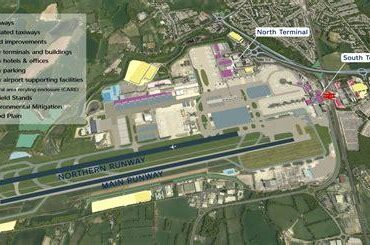
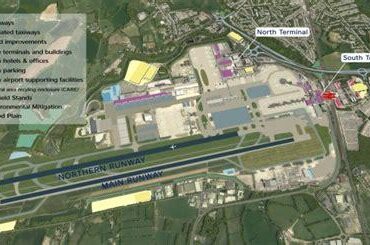
Passengers arriving at the North Terminal encountered minor inconsistencies regarding terminal allocation, highlighting the complexity of integrating new airlines quickly. Despite this, the airport’s staff ensured a smooth experience, demonstrating adaptability under pressure.
The pre-departure atmosphere leaned heavily into celebration. Guests were treated to:
- Commemorative merchandise
- Specially branded items
- An abundance of cake—an aviation tradition that never disappoints
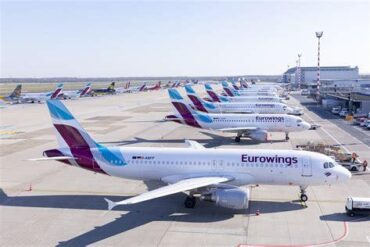
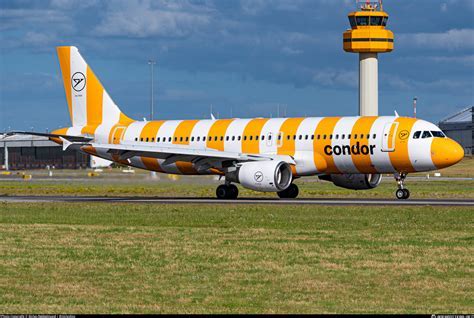
Boarding took place at Gate 50, where the excitement of a new airline launch was palpable. The aircraft assigned—an Airbus A320—may not have been the newest in the fleet, but its distinctive striped livery ensured maximum visual impact, reinforcing Condor’s bold brand identity.
Onboard Experience: Practical Comfort Meets European Simplicity
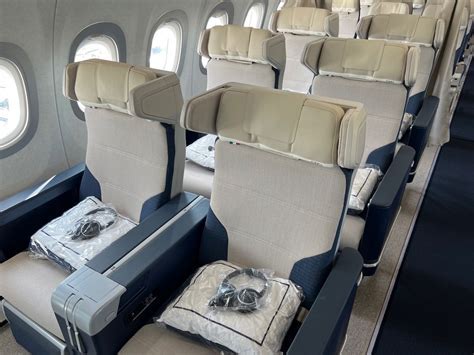
Condor’s business class product reflects a pragmatic European approach. Rather than extravagant luxury, it focuses on efficient comfort and functional service.
The cabin configuration, featuring a blocked middle seat, offers additional personal space without significant structural modifications. While the hard product mirrors economy seating, the differentiation comes through:
- Priority service
- Dedicated cabin section
- Enhanced onboard catering
Shortly after takeoff, service began promptly. Passengers were offered a selection of beverages, followed by a well-prepared cold breakfast dish that exceeded expectations for a short-haul flight.
Interestingly, the onboard experience highlighted a broader industry trend: value-driven premium cabins that prioritize service quality over physical upgrades. For many travelers, this balance is more than sufficient—especially on flights just over an hour in duration.
Frankfurt’s Role: A Gateway to Global Aviation Networks
Arrival in Frankfurt is more than just the end of a short flight—it marks entry into one of the world’s most strategically important aviation hubs. The airport is renowned for its:
- Extensive long-haul connectivity
- High-frequency European routes
- Role as a cargo and passenger powerhouse
A particularly striking detail is Frankfurt’s dominance in operating legacy aircraft. It is home to:
- 70% of the world’s remaining passenger Boeing 747 flights
- Over half of the remaining Airbus A340 services
This unique concentration makes Frankfurt a living museum of widebody aviation, while still functioning as a cutting-edge global hub.
For Gatwick passengers, this connection opens doors to destinations across continents with minimal transfer friction, enhancing the airport’s appeal as a departure point for international journeys.
Competitive Implications: Gatwick’s Growing Influence
The rapid addition of multiple airlines is not just a win for Gatwick—it sends a clear message to competitors, particularly Heathrow Airport. While Heathrow remains the UK’s primary hub, Gatwick is carving out a distinct identity built on flexibility, accessibility, and airline diversity.
This expansion strategy delivers tangible benefits:
- Increased competition leading to lower fares
- Greater route diversity for travelers
- Enhanced resilience against market fluctuations
Airlines are increasingly drawn to Gatwick’s operational efficiency and growth potential, especially as capacity constraints continue to challenge larger hubs.
What This Means for Travelers and the Industry
For passengers, this surge translates into more choice and better value. Whether traveling for business or leisure, the expanding airline roster at Gatwick ensures:
- Broader destination coverage
- More competitive pricing
- Improved scheduling flexibility
For the aviation industry, it represents a case study in rapid expansion done right. Gatwick’s ability to onboard multiple carriers in such a short timeframe demonstrates exceptional coordination between airport authorities, airlines, and ground services.
More importantly, it reflects a post-pandemic shift in aviation strategy, where airports are no longer passive infrastructure providers but active players in route development and airline partnerships.
A New Era for Gatwick Takes Flight
The arrival of Condor as the fifth airline in just 11 days is not an isolated event—it is the culmination of a deliberate, forward-looking strategy. Gatwick is no longer content with being a secondary option; it is evolving into a dynamic, competitive hub with global ambitions.
As more airlines evaluate expansion opportunities, Gatwick’s recent success positions it as a preferred destination for growth, particularly for carriers seeking access to the lucrative London market without the constraints of larger airports.
The runway is clear, the momentum is undeniable, and if this pace continues, Gatwick may soon redefine what it means to be the UK’s second-busiest airport—not just in volume, but in influence, innovation, and opportunity.