London Gatwick Airport’s 2026 transformation is no longer a projection—it is unfolding at pace. The confirmation of Pegasus Airlines as the ninth new carrier to join the airport this year signals something far more significant than incremental growth. Gatwick is actively reshaping its identity, evolving from a secondary London hub into a high-capacity, multi-model aviation gateway that blends low-cost efficiency with expanding long-haul reach.
This latest addition introduces a daily connection between London Gatwick (LGW) and Istanbul Sabiha Gökçen (SAW) beginning June 15, reinforcing the airport’s strategy of diversifying both its airline portfolio and geographic footprint. While Gatwick has long operated in Heathrow’s shadow, its 2026 expansion suggests a deliberate repositioning—one built on accessibility, scalability, and airline flexibility.
The numbers underline the scale of change. Gatwick will serve over 230 destinations this summer, supported by more than 40 newly introduced routes. Yet the real story lies not in volume alone, but in the breadth of airline business models now choosing Gatwick as a base for growth.
Pegasus Airlines Strengthens Gatwick’s Low-Cost and Network Depth
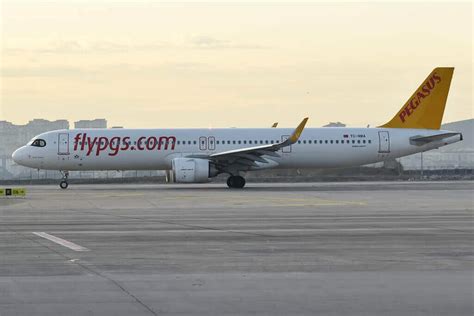
Pegasus Airlines’ return to Gatwick is both symbolic and strategic. The Turkish low-cost carrier previously operated the route in 2015 before withdrawing during pandemic-era disruptions. Its re-entry reflects renewed confidence in London–Istanbul demand, as well as Gatwick’s growing appeal among airlines seeking alternatives to Heathrow’s slot constraints.
Operating daily flights, Pegasus will connect Gatwick to Sabiha Gökçen International Airport, Istanbul’s secondary hub on the Asian side of the city. This distinction matters. While Turkish Airlines dominates routes to Istanbul Airport (IST), Pegasus leverages SAW as a high-efficiency, low-cost hub with strong regional connectivity, enabling passengers to access a wide network across Turkey, the Middle East, and Central Asia.
The schedule is optimized for both leisure and connecting traffic, offering midday departures from Istanbul and afternoon returns from London, aligning with typical European travel patterns. For passengers south of the Thames, Gatwick’s accessibility provides a practical alternative to Stansted, where Pegasus already maintains a strong presence.
More importantly, this move expands Pegasus’ footprint in London into a dual-airport strategy, enhancing resilience and market reach. For Gatwick, it introduces a carrier capable of feeding traffic beyond a single city pair, strengthening its role as a network connector rather than purely a destination airport.
A Diverse Airline Mix Signals a Structural Shift at Gatwick
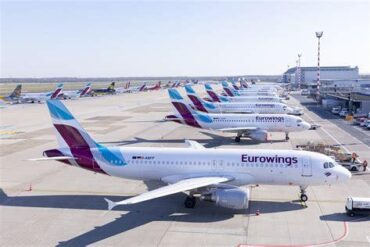
Pegasus does not arrive in isolation. It joins a strikingly diverse group of eight other airlines launching operations at Gatwick in 2026, including Jet2, AirAsia X, Condor, Air Arabia, Air France, Eurowings, AnimaWings, and Beijing Capital Airlines. This lineup reflects a carefully balanced expansion across short-haul leisure, legacy carriers, and long-haul low-cost operators.
Jet2’s arrival stands out as a cornerstone of this transformation. With plans to base six aircraft at Gatwick and operate 29 routes, the airline is executing its largest expansion in a decade. Spain alone accounts for 11 destinations, reinforcing Gatwick’s strength in the high-demand UK leisure market.
At the same time, long-haul additions such as AirAsia X’s Kuala Lumpur service (via Bahrain) and Air Arabia’s Sharjah route introduce new intercontinental options traditionally associated with larger hub airports. Meanwhile, Beijing Capital Airlines’ Qingdao service highlights growing China-linked connectivity, an area of increasing strategic importance.
This blend of carriers illustrates a clear pattern. Gatwick is no longer defined by a single market segment. Instead, it is becoming a hybrid airport ecosystem, capable of supporting everything from ultra-low-cost operations to long-haul international services.
London–Istanbul Becomes One of Europe’s Most Competitive Air Corridors
The addition of Pegasus at Gatwick feeds into a broader competitive landscape. The London–Istanbul corridor has quietly become one of Europe’s most dynamic aviation markets, with flights distributed across multiple airports on both sides.
During peak summer, the route will see up to 27 daily flights, connecting London Heathrow, Gatwick, Stansted, and Luton with both Istanbul Airport (IST) and Sabiha Gökçen (SAW). This multi-airport structure creates a uniquely competitive environment where full-service carriers, low-cost airlines, and hybrid operators coexist and compete.

Heathrow remains dominant in premium and long-haul connectivity, with British Airways and Turkish Airlines operating frequent services to IST. However, Gatwick’s growing mix—including Turkish Airlines, Wizz Air, and now Pegasus—positions it as a strong secondary hub for both value-driven and network-focused travelers.
Stansted continues to lead in low-cost density, particularly with Pegasus and AJet at SAW, while Luton offers additional capacity through Wizz Air. Yet Gatwick’s advantage lies in its balance—combining accessibility, airline diversity, and increasing long-haul relevance.
Airport Growth Mirrors Rising Competition Between Global Hubs
Behind the route expansion lies an even larger story: the intensifying rivalry between Europe’s major airports. In 2025, Heathrow handled 84.48 million passengers, narrowly surpassing Istanbul Airport’s 84.44 million. By early 2026, Istanbul had already moved ahead in monthly traffic, signaling a potential shift in Europe’s aviation hierarchy.
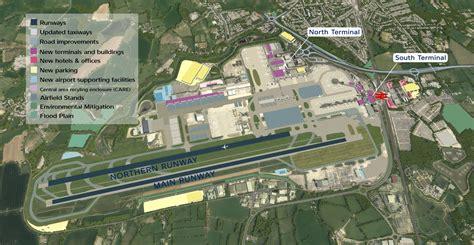
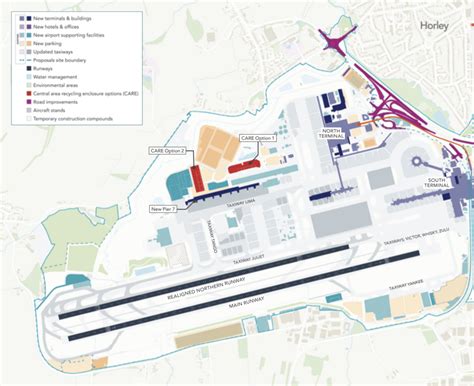
Secondary airports are also scaling rapidly. Sabiha Gökçen processed over 48 million passengers, while Gatwick handled 43.24 million, maintaining its status as the world’s busiest single-runway airport. These figures highlight a critical trend—growth is no longer concentrated solely in primary hubs.
Instead, secondary airports are becoming strategic growth engines, offering airlines lower costs, greater flexibility, and faster expansion opportunities. Gatwick’s recent success in attracting a wide range of carriers underscores this shift.
Why Pegasus Matters More Than Just Another Airline Launch
On the surface, Pegasus’ arrival may appear as just another addition to Gatwick’s expanding roster. In reality, it encapsulates the airport’s broader trajectory. The airline brings:
- A new link to SAW, complementing existing IST connections
- Access to a robust low-cost network across multiple regions
- Increased competition within a high-demand city pair
- Greater appeal to both leisure and price-sensitive business travelers
But beyond these tangible benefits lies a more strategic impact. Pegasus represents the kind of airline Gatwick is increasingly attracting—agile, growth-oriented, and network-driven, rather than constrained by legacy hub models.
This aligns perfectly with Gatwick’s positioning as a flexible alternative to Heathrow, where slot limitations restrict rapid expansion. Airlines looking to scale quickly, test new routes, or diversify operations are finding Gatwick an increasingly compelling option.
Gatwick’s 2026 Momentum Signals a Redefined Future
The scale and diversity of Gatwick’s 2026 expansion suggest that this is not a one-off surge, but the beginning of a sustained transformation. By combining low-cost dominance with growing long-haul connectivity, the airport is carving out a unique position within Europe’s aviation landscape.
Pegasus Airlines’ entry reinforces this momentum, adding depth to an already expanding network and strengthening one of Europe’s busiest city pairs. More importantly, it highlights Gatwick’s ability to attract airlines that contribute not just capacity, but strategic value.
As the summer season unfolds, Gatwick is no longer simply accommodating growth—it is actively shaping it.