Delta Airlines has ignited a powerful resurgence in transatlantic air travel, using its strategic footholds in the United States and Belgium to spearhead a far-reaching expansion into Europe. With freshly relaunched routes and ambitious growth from its Atlanta hub, Delta is recalibrating the competitive landscape of transatlantic connectivity, introducing new and returning services to Italy, France, Spain, Germany, and the United Kingdom. This surge is not only revitalizing its network but also reshaping how global travelers move between continents.
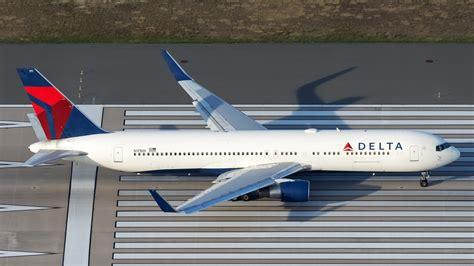
On June 10, 2025, Delta marked a pivotal milestone by reinstating nonstop flights from Atlanta to Brussels, restoring a historically significant route that had seen multiple suspensions since its debut in 1993. This relaunch positions Brussels as a keystone in Delta’s larger vision for European market reintegration. With the route now operating three times weekly using Boeing 767-300ER aircraft, Delta reasserts its commitment to Belgian travel demand and strengthens its footprint in Northern Europe.
Delta’s transatlantic comeback in summer 2025 reflects a network-wide resurgence. The Atlanta-Brussels service joins a suite of newly introduced or resumed routes, including the landmark Atlanta to Naples connection, launched May 23. This particular route sets a historic precedent as the longest nonstop service ever operated to Naples, affirming Delta’s intent to capture both leisure and diaspora markets across southern Europe.
The Strategic Role of Atlanta in Delta’s Transatlantic Revival
Atlanta, Delta’s largest domestic hub, is being actively reshaped into a global transit gateway, and its European revival is central to that goal. Between July and December 2025, Delta will operate eighteen Europe-bound routes directly from Atlanta, stretching from Nordic capitals to Mediterranean hotspots.
Importantly, this expansion is not confined to seasonal tourism. Delta’s flight calendar also includes event-specific operations, such as special November services to Berlin catering to American football fans attending the Atlanta Falcons vs. Indianapolis Colts game in Germany. These tailored services utilize widebody aircraft like the Airbus A330-300 and Boeing 767-300ER, showcasing Delta’s ability to adapt high-capacity assets for targeted demand windows.
The core of Delta’s European offerings from Atlanta is defined by its 17 regularly scheduled destinations, excluding limited event-based flights. Key routes include:
- Paris Charles de Gaulle: Up to 18 weekly summer flights
- Rome Fiumicino: 17 weekly summer flights
- Amsterdam: Triple daily service in summer
- Frankfurt, Madrid, Munich, and Milan: Each with consistent daily or near-daily frequencies
- Naples, Nice, and Zurich: High-frequency summer-only routes
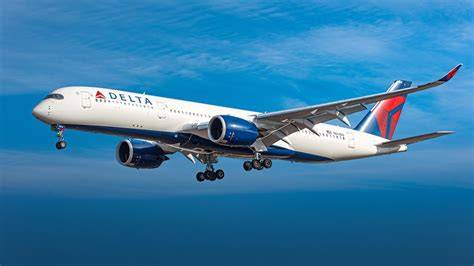
These operations are powered by a mixed fleet of Airbus A330-200/300/900 and A350-900 jets, ensuring a premium onboard experience with Delta One suites and updated cabin configurations.
Naples, Nice, and Niche Cities: Tapping into Second-Tier European Markets
The addition of Naples represents more than just a route launch — it signals a deliberate strategy shift. While Delta continues to serve major Western European capitals, it is now doubling down on secondary and underserved markets with direct US connections. Naples exemplifies this push, targeting a rising tide of cultural tourism, expatriate travel, and pent-up post-pandemic demand.
Similarly, Delta’s summer-only operations to Nice, Venice, and Zurich reflect confidence in seasonal travel patterns and the increasing preference for point-to-point routes that avoid intra-European layovers. These routes provide substantial convenience for American travelers looking for nonstop access to Europe’s luxury and leisure zones.
Beyond Delta Metal: The Power of SkyTeam Partnerships
While Delta’s own aircraft cover 17 nonstop European destinations from Atlanta, its transatlantic influence extends much further through joint venture and SkyTeam alliances. The airline benefits from code-share and joint revenue agreements with:
- Air France at Paris CDG
- KLM at Amsterdam Schiphol
- Virgin Atlantic at London Heathrow and Manchester
- ITA Airways at Rome Fiumicino
These partnerships create seamless transfer opportunities, expanding Delta’s reach to virtually every corner of Europe, even beyond its self-operated routes.
In 2024, an estimated 3 million round-trip passengers flew between Atlanta and Europe on Delta-operated services. A breakdown of this traffic reveals Atlanta’s critical role as a connector:
- 59% connected onward within the US via Delta
- 24% originated or ended in Atlanta
- 10% connected in both Atlanta and a European partner hub
- 7% had mixed-origin journeys involving partner hub transfers
These statistics underline Delta’s success in capturing both origin-and-destination traffic and connecting flows, highlighting the hub’s versatility and efficiency.
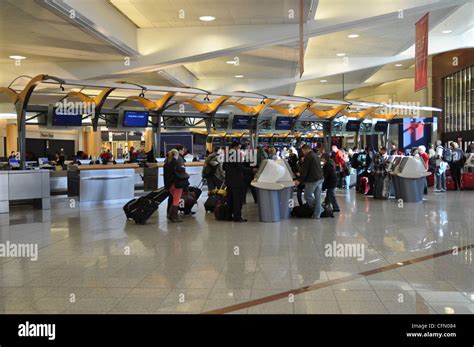
Brussels: A Strategic Return to the Capital of Europe
The Atlanta-Brussels route is more than symbolic — it’s economically and diplomatically strategic. As the de facto capital of the European Union and home to key NATO institutions, Brussels attracts not only tourists but also a steady stream of government, NGO, and business travelers. The route’s revival reflects Delta’s alignment with corporate travel demand recovery, especially in the transatlantic political corridor.
Brussels also serves as a stepping stone to Northern France, the Netherlands, and Western Germany, giving Delta a stronghold in regions with limited direct service options from the Southeastern US. Moreover, it complements existing SkyTeam hubs, avoiding intra-alliance competition while expanding geographic coverage.
JFK vs. ATL: The Two Pillars of Delta’s European Strategy
Though New York JFK remains Delta’s busiest transatlantic hub — with 26 daily European departures — Atlanta’s 18 daily flights make it the airline’s second-largest gateway. The Atlanta vs. JFK dynamic is intentional: while JFK emphasizes business travel, financial markets, and East Coast demand, Atlanta acts as a crossroads for Midwestern, Southern, and West Coast passengers, thanks to its unrivaled domestic connectivity.
Together, these hubs form a bi-coastal transatlantic bridge, with Delta now operating 79 total Europe-bound routes from the US across all its gateways.

Infrastructure and Fleet Optimization Driving Efficiency
Delta’s use of modern widebody aircraft, including the Airbus A330-900neo and A350-900, ensures competitive advantage in fuel efficiency and passenger comfort. These jets are deployed strategically on high-demand routes such as Rome, Paris, and Amsterdam, while 767-400ERs and A330-300s support mid-capacity routes like Dublin, Edinburgh, and Nice.
This careful fleet-right-sizing allows Delta to optimize fuel burn, enhance premium offerings like Delta One and Premium Select, and respond flexibly to seasonal swings in demand. The airline is also leveraging advanced scheduling systems and dynamic pricing models to fine-tune profitability across its European network.
Looking Ahead: Winter Adjustments and Long-Term Growth Trajectories
While the current schedule runs through December 2025, further adjustments are anticipated as Delta finalizes its winter timetable. Seasonality remains a critical consideration in transatlantic planning, with reduced winter frequencies expected on leisure-heavy routes like Barcelona, Nice, and Naples.
Nonetheless, Delta’s winter resilience is buttressed by strong performance on year-round business and capital city routes. Cities such as Frankfurt, London, and Paris will maintain daily or near-daily frequencies, ensuring continuity and brand presence across Europe.
Delta’s long-term trajectory is clear: to become the leading US carrier for transatlantic travel, powered by its Atlanta hub, strong SkyTeam integration, and fleet modernization. As market conditions evolve, Delta is poised to adapt swiftly, maintain profitability, and extend its reach across the European continent.

Conclusion
Delta Airlines’ robust transatlantic expansion in 2025 underscores a bold recovery vision that intertwines domestic strength with international ambition. By reactivating historic routes like Atlanta to Brussels, launching game-changing services to destinations like Naples, and reinforcing key SkyTeam partnerships, Delta is staking its claim as a dominant force in US–Europe aviation.
With strategic hubs, optimized fleets, and responsive scheduling, Delta is not merely restoring its network — it’s redefining what transatlantic air travel looks like in a post-pandemic world.