Air Canada has marked a significant milestone in its European expansion by launching two new transatlantic services within just 24 hours. The Canadian flag carrier inaugurated nonstop flights from Montréal–Trudeau International Airport to Palma de Mallorca, Spain, on June 17, followed by the debut of Halifax–Brussels service on June 18. Both routes are seasonal and designed to capitalize on growing leisure and visiting-friends-and-relatives demand between Canada and Europe.
The dual launches represent another chapter in Air Canada’s broader strategy of strengthening its European footprint. While Palma de Mallorca becomes an entirely new destination on the airline’s network, Brussels restores a direct link between Atlantic Canada and Belgium, giving travelers new options and improving connectivity across the continent.
The expansion also highlights how the carrier is adapting to delays affecting its Airbus A321XLR deliveries. Rather than postponing growth plans, Air Canada has adjusted aircraft deployment to ensure that new destinations still enter the network in time for the busy summer season.
Air Canada Adds Mallorca and Brussels to Its Growing European Network
The launch of nonstop service between Montreal and Palma de Mallorca represents a historic first for Canadian aviation. Operating three times weekly throughout the summer season, the route directly links Canada with one of Spain’s most popular Mediterranean destinations. Previously, Canadian travelers heading to Mallorca often had to transit through major European hubs such as Madrid, Barcelona, Frankfurt, or London.
Palma de Mallorca, the capital of Spain’s Balearic Islands, attracts millions of visitors annually thanks to its beaches, luxury resorts, historical attractions, and favorable climate. The introduction of direct service significantly reduces travel times while opening a new leisure market for Air Canada.
Just one day after inaugurating Mallorca flights, the airline launched another new route connecting Halifax Stanfield International Airport with Brussels Airport. Also operating three times per week, the service creates the first-ever nonstop connection between Nova Scotia and Belgium.
For travelers in Atlantic Canada, the route provides convenient access not only to Brussels but also to numerous destinations throughout Europe via Star Alliance partner connections. The service strengthens Halifax’s role as one of Air Canada’s most important gateways for transatlantic operations.
Why These Routes Represent More Than Simple Expansion
The importance of these two routes extends beyond adding dots on a map. They illustrate how airlines are increasingly focusing on underserved markets with strong seasonal demand instead of competing exclusively on heavily saturated routes.
Mallorca has emerged as one of Europe’s fastest-growing vacation destinations. The island’s combination of Mediterranean beaches, cultural heritage, and outdoor activities has made it particularly attractive to North American tourists. Until now, travelers from Canada often faced lengthy connections before reaching the Balearic Islands.
By introducing nonstop flights, Air Canada gains access to a niche market with limited direct competition while offering passengers greater convenience.
Brussels serves a different strategic purpose. Belgium’s capital acts as an important European business and transportation hub. Through connections provided by Brussels Airlines and other Star Alliance partners, travelers departing from Halifax gain easier access to destinations across Germany, Italy, France, Switzerland, and Central Europe.
This strategy allows Air Canada to diversify its network while improving connectivity for passengers across eastern Canada.
Different Aircraft Power Each New Route
Despite launching during the same week, the two routes utilize very different aircraft tailored to their respective markets.
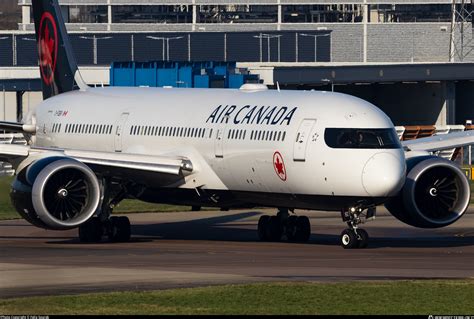
The Montreal–Palma de Mallorca route is operated by the Boeing 787-8 Dreamliner. As one of Air Canada’s flagship long-haul aircraft, the Dreamliner offers Signature Class, Premium Economy, and Economy cabins. The widebody aircraft also provides increased cargo capacity and a larger number of seats than originally planned.
Meanwhile, Halifax–Brussels flights rely on the Boeing 737 MAX 8. Over recent years, the aircraft has become central to Air Canada’s transatlantic strategy. Its long-range capabilities and lower operating costs allow the airline to profitably serve smaller European destinations that do not require larger widebody aircraft.
The success of narrowbody transatlantic operations has transformed Halifax into an efficient gateway for services to Western Europe, further strengthening the city’s importance within Air Canada’s international network.
Airbus A321XLR Delays Forced Air Canada to Adapt
One of the most interesting aspects surrounding the launch of the Mallorca route is that it was never supposed to be flown by the Boeing 787.
Air Canada had originally planned four weekly flights using the Airbus A321XLR, the next-generation long-range narrowbody expected to revolutionize thinner transatlantic markets. However, prolonged delivery delays affecting the aircraft forced the airline to revise its plans multiple times.
Rather than waiting for the new fleet to arrive, Air Canada decided to proceed with service using the larger Boeing 787-8 Dreamliner. Although weekly frequencies were reduced from four flights to three, overall seat capacity increased substantially.
The change also benefits passengers requiring additional baggage or cargo capacity. Cyclists heading to Mallorca, a destination renowned for its scenic riding routes and bicycle-friendly infrastructure, particularly benefit from the extra space available aboard the Dreamliner.

Air Canada’s European Growth Continues
The inauguration of the Montreal–Palma de Mallorca and Halifax–Brussels routes demonstrates how Air Canada continues to pursue targeted growth opportunities despite fleet challenges and changing market dynamics.
By focusing on destinations with strong leisure demand and underserved connections, the airline strengthens Canada’s links with Europe while expanding travel options for passengers on both sides of the Atlantic.
As the carrier awaits the arrival of its Airbus A321XLR fleet, these new routes illustrate the flexibility of its network strategy and reinforce Air Canada’s position as one of North America’s most ambitious transatlantic operators. With Europe remaining a priority market, additional expansion opportunities are likely to emerge in the years ahead.