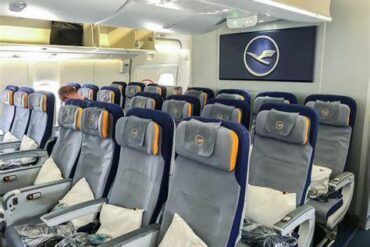
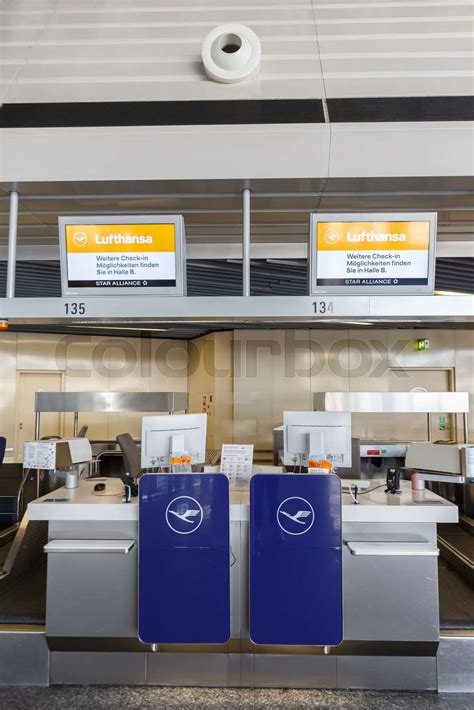
Lufthansa has spent decades cultivating an image built on reliability, premium European service, and a loyalty ecosystem designed to reward frequent travelers with meaningful perks. That reputation is now facing one of its most controversial tests yet. Beginning in 2026, Lufthansa’s newly introduced Economy Basic fare for short- and medium-haul European routes strips away one of the most fundamental expectations in modern air travel: the standard cabin-sized carry-on bag.
At first glance, the change may appear to be another incremental airline fee adjustment in an industry already saturated with ancillary charges. Yet the significance of Lufthansa’s move goes far beyond baggage policy. The airline is fundamentally redefining what “economy” means on a full-service carrier, while simultaneously reshaping the value proposition of elite status within the Miles & More and Star Alliance ecosystems.
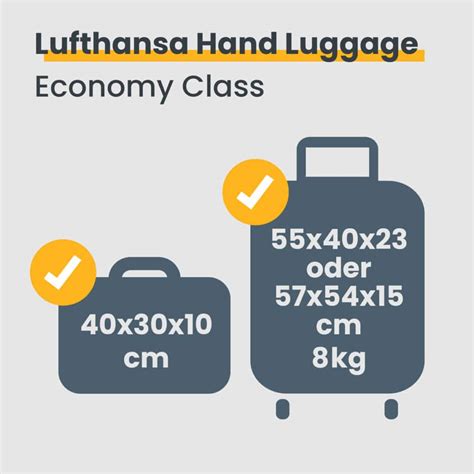
For travelers accustomed to boarding Lufthansa flights with a roller bag and backpack without a second thought, the new rules represent a dramatic downgrade. Under Economy Basic, passengers are limited to a single personal item measuring roughly 40 × 30 × 15 cm — equivalent to about 18 liters of storage space. That allowance is closer to a compact daypack than a practical travel bag.
The real shock, however, is not aimed at occasional leisure travelers. It is directed at Lufthansa’s most loyal customers.
Elite flyers who spent years accumulating status through premium travel and brand loyalty will receive no exemption from the new restrictions. Senator members, HON Circle travelers, and Star Alliance Gold elites are all subject to the same limitations when booking the cheapest fare tier. In a loyalty-driven industry where status perks have historically remained sacred, Lufthansa’s decision signals a major philosophical shift.
Lufthansa’s Economy Basic Fare Is More Than a Budget Ticket
The launch of Economy Basic is not merely about lowering fares. It is about restructuring the economics of short-haul flying in Europe.
For years, traditional airlines maintained a clear distinction between themselves and ultra-low-cost competitors. Even the cheapest economy ticket on a legacy carrier typically included certain baseline comforts: a standard cabin bag, modest flexibility, and a slightly less punitive travel experience. Lufthansa’s new model dismantles much of that separation.
Passengers booking Economy Basic are effectively purchasing transportation and little else. The included personal item must fit beneath the seat in front, leaving travelers with minimal packing capacity. A small laptop bag or slim backpack may fit comfortably, but travelers hoping to pack clothing for a weekend getaway will likely struggle.
The limitation becomes especially restrictive because Lufthansa’s dimensions are significantly tighter than what many passengers have grown accustomed to across Europe. A traditional cabin roller is no longer included unless travelers pay an additional fee.
That extra fee starts at approximately €15 when booked in advance, though pricing may fluctuate depending on route and timing. Suddenly, the advertised fare begins to resemble the pricing tactics perfected by ultra-low-cost airlines over the past decade: attract attention with a low headline price, then monetize every additional convenience afterward.
The difference is psychological as much as financial. Travelers booking Lufthansa historically expected a smoother and more inclusive experience than they would receive on Ryanair or easyJet. Economy Basic changes those assumptions immediately.
Lufthansa Now Offers a Smaller Free Bag Than Ryanair
Perhaps the most startling aspect of Lufthansa’s new fare structure is how aggressively restrictive the baggage allowance has become compared to airlines traditionally viewed as harsher budget operators.
Ryanair, long criticized for rigid baggage enforcement, actually allows a larger free personal item than Lufthansa’s Economy Basic. easyJet’s allowance is even more generous.
That inversion is remarkable because it reverses years of airline positioning. Legacy carriers traditionally justified higher fares through convenience and inclusivity. Budget airlines justified restrictions through lower pricing. Lufthansa is now borrowing heavily from the low-cost model while still attempting to preserve premium branding.
The numbers make the contrast impossible to ignore.
Lufthansa’s new allowance of roughly 18 liters falls well below Ryanair’s approximate 24-liter allowance and dramatically behind easyJet’s roughly 32-liter limit. In practical terms, those differences matter enormously. The additional space on competing carriers can accommodate several outfits, toiletries, and electronics. Lufthansa’s tighter restriction may force travelers to either pack minimally or purchase add-ons.
For short city breaks, business trips, or spontaneous weekend travel, carry-on convenience has become one of the most valuable components of modern flying. Eliminating that convenience effectively changes how passengers plan their trips.
Ironically, Lufthansa now risks creating a scenario where budget airlines offer a more practical baseline travel experience than one of Europe’s most respected full-service brands.
Why Elite Frequent Flyers Feel Betrayed
Airline loyalty programs operate on a simple promise: fly more, spend more, and receive privileges that make future travel easier.
Lufthansa’s Economy Basic fare weakens that promise significantly.
Traditionally, elite members across major airline alliances retained at least some core benefits regardless of ticket type. Even deeply discounted fares usually preserved essentials like cabin baggage, priority boarding, or seating flexibility. Those perks reinforced the emotional and practical value of status.
Economy Basic breaks from that convention.
A top-tier HON Circle member flying on the new fare receives the same personal-item limitation as an infrequent leisure traveler booking their first Lufthansa ticket. The symbolic impact of that decision is substantial.
Frequent flyers are not merely purchasing transportation. They are participating in a long-term loyalty contract built around recognition and convenience. Removing exemptions tells elite customers that status matters only when paired with higher spending on specific fare classes.
That distinction alters traveler behavior.
Some loyal passengers may simply avoid Economy Basic entirely and pay for higher fare tiers. Others may begin questioning whether loyalty to Lufthansa still provides enough differentiation in an increasingly commoditized European market.
This matters because elite travelers are disproportionately valuable. They generate recurring revenue, influence corporate travel contracts, and often shape broader perceptions of airline quality among business communities.
By standardizing restrictions across all passengers, Lufthansa simplifies operational enforcement. Gate agents no longer need to navigate complicated exceptions for status holders. Yet operational simplicity may come at the cost of emotional loyalty.
The Economics Behind Lufthansa’s Strategy
Despite backlash from frequent flyers, Lufthansa’s decision follows powerful financial logic.
Short-haul European aviation has become brutally competitive. Rising fuel costs, airport fees, labor expenses, and environmental pressures continue squeezing airline margins. At the same time, consumers increasingly shop through online comparison platforms where the cheapest displayed fare often wins attention immediately.
That environment rewards airlines capable of lowering visible entry prices.
Unbundling has therefore evolved from optional strategy into commercial necessity for many carriers. Rather than including baggage, seat selection, and flexibility within a single fare, airlines separate those services into optional purchases.
Lufthansa is embracing this model aggressively.
The airline can now advertise lower base fares while generating ancillary revenue through baggage upgrades and fare upselling. Travelers who initially select Economy Basic frequently discover that adding luggage, preferred seating, or flexibility pushes the total price closer to traditional economy levels.
This pricing architecture is highly effective because it targets consumer psychology. Travelers often begin searches focused on the lowest visible fare. Once emotionally committed to a booking, they become more willing to purchase incremental add-ons.
Low-cost carriers built entire business models around this behavior. Lufthansa’s adoption of similar tactics demonstrates how dramatically competitive pressures have transformed European aviation.
The challenge lies in balancing profitability against brand identity.
Lufthansa Risks Blurring the Line Between Legacy and Low-Cost
For decades, Lufthansa occupied a distinct position within Europe’s aviation hierarchy. The airline represented traditional network-carrier values: reliability, professionalism, global connectivity, and a more polished travel experience than low-cost competitors.
Economy Basic complicates that positioning.
When passengers discover that Lufthansa’s free baggage allowance is more restrictive than Ryanair’s, the perception gap between legacy and budget airlines begins to narrow. Once that distinction weakens, consumers may become increasingly price-sensitive because the experiential differences no longer feel substantial enough to justify higher fares.
This creates a strategic risk for Lufthansa.
Premium branding depends heavily on consistency. Travelers expect a baseline level of service associated with the airline’s reputation. If the reality feels excessively stripped down, especially for first-time or infrequent passengers, dissatisfaction can spread quickly through reviews, social media, and word-of-mouth discussions.
The issue becomes even more sensitive for elite members who spent years associating Lufthansa with elevated treatment. Loyalty is not purely transactional; it is emotional. Travelers want to feel recognized.
Removing even symbolic privileges can disproportionately damage perception.
At the same time, Lufthansa is hardly alone in moving toward modular pricing. Airlines worldwide are experimenting with increasingly fragmented fare structures designed to maximize revenue opportunities. What once constituted standard economy service is rapidly becoming a customizable menu of purchasable features.
That transformation reflects broader changes in consumer behavior. Many travelers prioritize low fares above all else, especially on short flights lasting only one or two hours. Lufthansa is betting that enough passengers will accept fewer inclusions in exchange for lower entry prices.
The question is whether the airline can preserve its premium identity while simultaneously adopting low-cost economics.
The Future of Economy Travel Is Becoming Hyper-Unbundled
Lufthansa’s Economy Basic rollout represents more than an isolated policy change. It is part of a wider restructuring of short-haul air travel across Europe and beyond.
The traditional idea of economy class once implied a reasonably complete product: a seat, cabin baggage, modest flexibility, and a predictable level of service. That model is disappearing rapidly.
Instead, airlines are moving toward hyper-unbundled ecosystems where nearly every convenience carries a separate price tag. Cabin bags, seat assignments, boarding priority, ticket flexibility, and even customer support access increasingly exist as monetized layers rather than included features.
For travelers, this creates both opportunity and complexity.
Passengers who truly travel light may benefit from lower headline fares. Others may discover that navigating airline pricing has become far more complicated than before. Comparing tickets now requires careful analysis of baggage policies, restrictions, seating terms, and add-on fees.
The burden shifts onto consumers to understand exactly what they are buying.
Lufthansa’s decision to remove elite exemptions also hints at a future where loyalty programs become increasingly revenue-driven rather than relationship-driven. Status alone may matter less than total spend across premium fare categories and ancillary purchases.
That evolution mirrors broader trends throughout the travel industry, where personalization and dynamic pricing increasingly replace traditional standardized benefits.
For frequent flyers, the message is clear: loyalty alone no longer guarantees protection from the industry’s cost-cutting transformation.
Why Lufthansa’s Decision Could Reshape European Airline Competition
The broader significance of Economy Basic may ultimately extend beyond Lufthansa itself.
Large network carriers closely monitor one another’s pricing strategies. If Lufthansa successfully increases ancillary revenue without significant customer defection, competing airlines may follow with even stricter economy restrictions of their own.
That possibility could accelerate the erosion of traditional full-service inclusions across Europe.
Air France-KLM, British Airways, SWISS, Austrian Airlines, and other major carriers are all navigating similar economic pressures. Lufthansa’s willingness to remove carry-on privileges — even for elite travelers — may serve as an important industry test case.
If consumers tolerate the changes, more airlines may conclude that legacy service distinctions are no longer financially necessary on short-haul routes.
For passengers, this could mark the beginning of a new airline era where fare branding becomes increasingly disconnected from historical expectations. “Economy” may no longer describe a standard product at all. Instead, it may function as a flexible pricing shell customized through optional purchases.
That reality fundamentally changes the passenger experience.
Lufthansa’s Economy Basic fare is therefore not simply about baggage. It is about redefining airline loyalty, reshaping passenger expectations, and testing how far a premium carrier can push unbundling before customers begin reevaluating what the Lufthansa brand truly represents.