Washington, D.C. is a city where daily civilian life intersects with national power, and that reality is sometimes made unmistakably clear by the thunderous presence of fighter jets overhead. For residents and visitors alike, the sudden roar slicing through the sky can feel startling, dramatic, or even alarming. Yet in most cases, these flights are neither random nor cause for concern. They are a visible reminder that the capital of the United States is also one of the most heavily protected airspaces on Earth.
Living in the nation’s capital comes with cultural richness, historic architecture, and global influence, but it also places the region at the heart of U.S. defense strategy. From tightly controlled air corridors to rapid-response military readiness, Washington’s skies are carefully monitored every minute of every day. Fighter jets are a critical part of that invisible shield, even when no immediate threat exists.
The proximity of key military installations, combined with dense commercial air traffic, makes this region uniquely active. Andrews Air Force Base, the U.S. Naval Academy in Annapolis, and multiple intelligence and defense command centers all rely on continuous aerial preparedness. When jets appear overhead, they are often executing plans that have been rehearsed for decades.
By the third or fourth time someone hears the echo of afterburners over the Potomac, curiosity usually replaces concern. Understanding why these aircraft fly helps transform an unsettling moment into an informed one.
Strategic Airspace Above the Nation’s Capital
The airspace over Washington, D.C. is classified as one of the most restricted zones in the world. Layers of security radiate outward from the Capitol, the White House, and the Pentagon, forming a tightly controlled network designed to detect and neutralize airborne threats instantly. Fighter jets serve as the fastest and most flexible response option within that system.
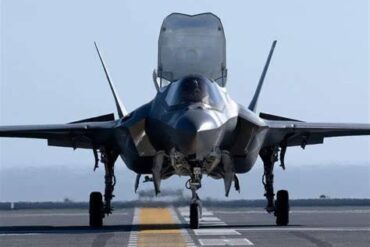
These aircraft are not launched casually. They are scrambled based on radar alerts, scheduled drills, or predefined security operations. Their presence demonstrates that aerial defense is proactive rather than reactive, ensuring no unidentified or unresponsive aircraft can approach sensitive locations without immediate interception.
The Role of NORAD in Constant Readiness
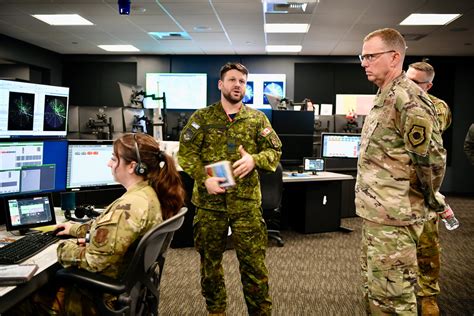
Many of these flights are coordinated through NORAD, the North American Aerospace Defense Command. This joint U.S.–Canada organization is responsible for monitoring aerospace activity across the continent. Its mission includes tracking military aircraft, identifying potential threats, and responding to civilian planes that deviate from approved flight paths.
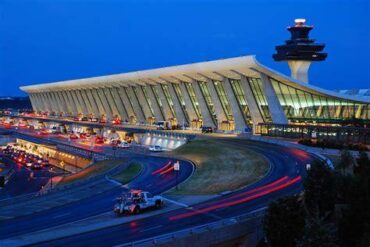
Because Washington sits near multiple major airports, including Reagan National and Dulles International, the airspace is exceptionally complex. NORAD routinely conducts exercises here to ensure pilots, radar operators, and command centers remain synchronized. Fighter jets flying overhead are often part of these high-precision readiness drills, not emergency responses.
Routine Training Flights and Military Exercises
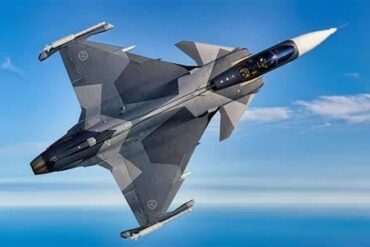
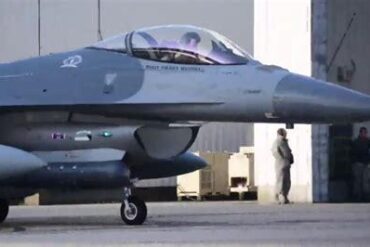
Fighter jets seen over the District are frequently engaged in scheduled training missions. Aircraft such as the F-16 are stationed nearby specifically to allow rapid deployment and regular practice. Pilots must maintain peak readiness, and that means flying in real-world conditions, including dense urban environments.
These exercises simulate everything from aircraft interception to coordinated defense maneuvers. While they may look dramatic from the ground, they are carefully planned and communicated across agencies to ensure civilian safety and minimal disruption.
Ceremonial Flyovers and Public Events
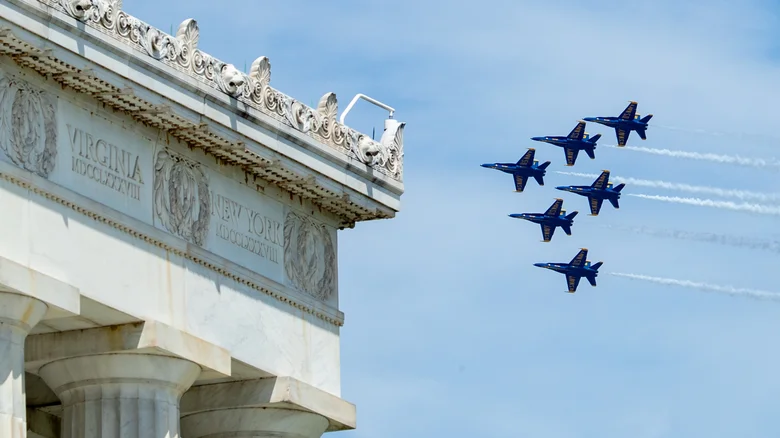
Not every jet in the sky is tied to defense strategy. Washington is home to major professional sports teams, national celebrations, and historic commemorations. Fighter jets are often used in ceremonial flyovers to honor military service, mark national holidays, or energize crowds at large events.
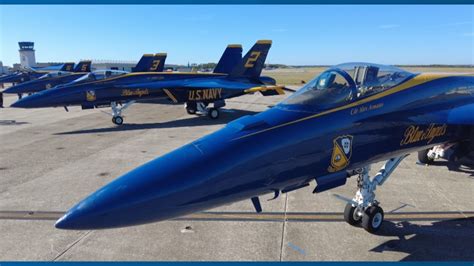
The U.S. Navy’s Blue Angels are especially well known for their appearances near the Naval Academy, where precision flying meets tradition. These flights are planned far in advance and are meant to inspire, not intimidate.
What These Flights Mean for Residents
Seeing fighter jets over Washington, D.C. does not signal imminent danger. Instead, it reflects a continuous commitment to national security and preparedness. The sound and sight are simply the visible edge of an extensive defense network operating as designed.
In a city where history is made daily, even the sky plays an active role. Fighter jets overhead are not anomalies; they are part of the rhythm of life in the capital, ensuring that vigilance never sleeps above the seat of American government.