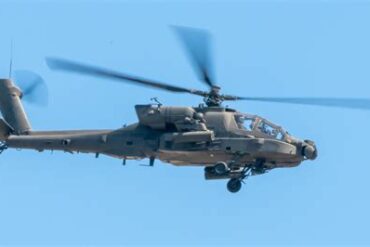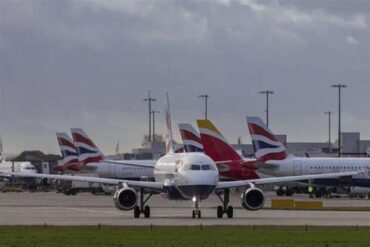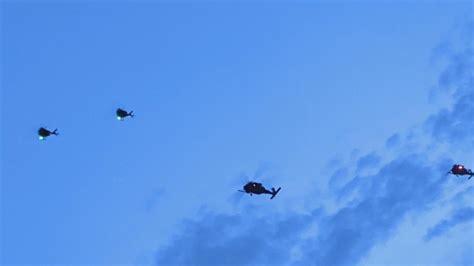
Houston’s skies are rarely quiet. On any given day, the city’s airspace teems with motion — commercial jets descending toward George Bush Intercontinental and Hobby Airport, law enforcement choppers tailing highway pursuits, and media helicopters circling breaking news scenes. But every so often, something more formidable fills the horizon: the unmistakable silhouette of Apache helicopters in formation, or the thunderous sonic boom of a high-speed military jet.
These moments aren’t random anomalies. They are the visible signs of Houston’s deep ties to military aviation, and they underscore the city’s role as a strategic node in America’s aerospace infrastructure.
Ellington Field: Houston’s Military Aviation Epicenter
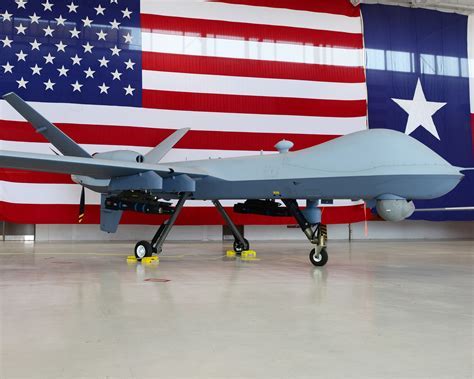
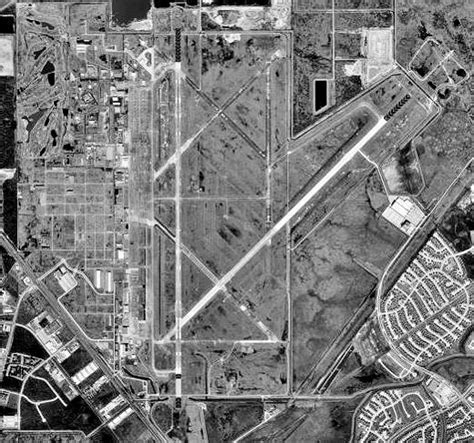
At the heart of this aerial activity lies Ellington Field Joint Reserve Base, a facility with more than a century of aviation heritage. Located just 15 miles southeast of downtown, Ellington opened in 1917, shortly after the U.S. entered World War I. What began as a training ground for early military aviators has grown into a multi-role military installation and aviation hub.
Today, Ellington hosts:
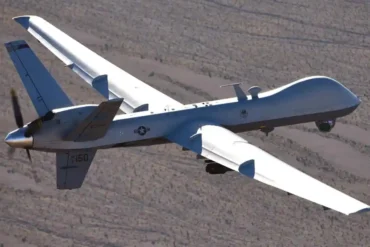
- 147th Attack Wing of the Texas Air National Guard, which operates MQ-9 Reaper drones, powerful unmanned aircraft used for surveillance and strike missions.
- U.S. Coast Guard Air Station Houston, responsible for regional search and rescue operations across the Gulf Coast.
- NASA’s Johnson Space Center aviation operations, where astronauts train using sleek T-38 Talon jets — a military-style aircraft that prepares them for the intense conditions of space travel.
The shared use of Ellington’s facilities by both military and government agencies makes the skies above Houston some of the busiest and most diverse in the country.
A City Positioned for Strategic Air Operations
Houston’s proximity to the Gulf of Mexico gives it a geographic advantage for a wide range of aerial missions. The Gulf’s expansive waters and relatively uncongested airspace offer ideal conditions for low-altitude search-and-rescue training, overwater flights, and coastal surveillance.
It’s this positioning that makes Houston a go-to site for SAREX (Search and Rescue Exercise) drills. In spring 2025, SAREX brought waves of military and civilian helicopters to Lake Houston, Bay Area Park, and San Jacinto River, conducting complex rescue simulations designed to prepare for the onslaught of hurricane season.

For residents unaccustomed to this level of aerial activity, the noise and sight of low-flying aircraft can spark unease. But these missions are neither erratic nor dangerous. Instead, they are rigorously planned training operations — essential for emergency preparedness, national defense, and even space travel support.
The Legacy of Flight and Astronaut Training in Houston
Few American cities have as storied a relationship with aviation as Houston. In addition to Ellington’s military role, it supports NASA’s astronaut corps, who regularly take to the skies in T-38 jets. These flights are far more than just symbolic. They simulate the high-G environments and rapid decision-making conditions astronauts will face in orbit.
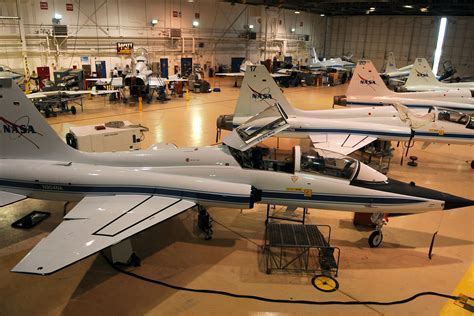
Houston’s contribution to manned spaceflight cannot be overstated. From Mercury to Artemis, astronauts have launched with experience honed above this very city. The skies of Houston, therefore, serve as a proving ground for those destined to leave Earth altogether.
Beyond Ellington: Other Houston Airports with Military Presence
Though Ellington dominates Houston’s military aviation scene, it is far from alone. Several other regional airports support defense-related activity, enhancing the city’s aerial footprint.
- Conroe-North Houston Regional Airport was initially developed as a military airfield and now hosts a Black Hawk helicopter unit.
- Sugar Land Regional Airport and Hobby Airport occasionally accommodate military fly-ins or support logistical operations.
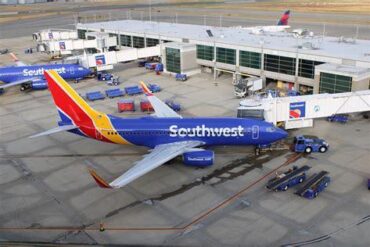
- George Bush Intercontinental Airport, while primarily a commercial hub, may occasionally handle government flights and diplomatic missions.
These shared-use arrangements allow Houston to flexibly respond to national emergencies, presidential visits, and civil defense operations, often with little disruption to commercial or civilian aviation.
The Public’s Window into the Sky: Tracking Military Flights
With the increase in aviation enthusiasts and the rise of open-source flight tracking platforms, many residents have begun following these aircraft using real-time tools. Sites like FlightRadar24, ADS-B Exchange, and Houston-based FlightAware offer insights into airborne traffic, allowing users to identify military aircraft by call signs, altitude, and flight paths — at least, when those aircraft choose to be visible.
Many military flights, particularly those involved in sensitive missions, disable their transponders or use encrypted signals to remain off-grid. Others — like Air Force One — are carefully tracked and escorted, their presence known by sound and spectacle alone.
Despite these limitations, platforms like Houston Air Watch on social media help bridge the gap between public curiosity and aviation secrecy. They chronicle interesting flyovers, decode call signs, and provide context that turns a loud boom or shadow overhead into an informed event.
When Military Aviation Becomes Civic Spectacle
Not all military flyovers are about training or preparedness. Sometimes, they’re about honoring history, showcasing strength, or simply putting on a show. That’s especially true during Houston’s many air events.
Each October, Wings Over Houston Airshow transforms the city’s airspace into a theater of aerial acrobatics. The event features:
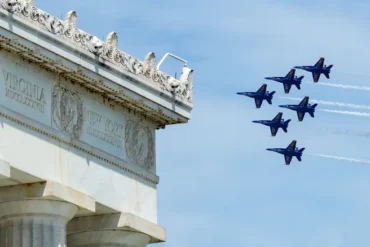
- The U.S. Navy Blue Angels, whose precise maneuvers demonstrate peak flight discipline.
- The U.S. Air Force Thunderbirds, famous for synchronized high-speed formations.
- Historic aircraft from WWII, Vietnam, and modern eras, including P-51 Mustangs and F-22 Raptors.
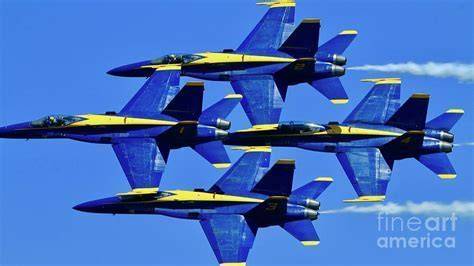
These shows do more than entertain. They connect the public with the legacy, science, and service behind the aircraft they see overhead. For younger generations especially, they serve as powerful recruitment tools and sources of inspiration.
Presidential Flyovers and Diplomatic Movements
Few aircraft generate as much attention as Air Force One. In 2017, when President Donald Trump visited Houston following Hurricane Harvey, the unmistakable Boeing VC-25 — flanked by fighter escorts — made a prominent pass over the city.
Such visits are rare but memorable. These missions are supported by advance military planning, and they temporarily alter local airspace to ensure security. When dignitaries or high-ranking officials travel through Houston, residents may notice heightened aerial activity, including fighter jet patrols, surveillance aircraft, and rapid ground logistics.
Houston’s Skies Are a Reflection of Its Strategic Role
From training sorties and astronaut drills to hurricane preparation and ceremonial flyovers, the persistent presence of military aircraft over Houston is not a nuisance — it’s a signal. A signal that this city is a crucial spoke in the wheel of national readiness, technological advancement, and disaster response.
Rather than evoking fear or concern, these flyovers are often signs of discipline, safety, and preparedness. They’re reminders that Houston is not just a sprawling urban landscape — it’s a living, breathing aerospace ecosystem, deeply enmeshed in the systems that safeguard both land and sky.
FAQ
Why do I frequently hear jets flying over Houston at night?
Many training exercises, especially involving the Air National Guard or NASA, occur during off-peak hours to minimize interference with commercial traffic and simulate real-world operational conditions.
Are military aircraft allowed to fly over residential areas?
Yes, though they follow strict Federal Aviation Administration (FAA) regulations for altitude and safety. Ellington Field’s proximity to neighborhoods means aircraft often pass overhead en route to training zones or while returning.
Can I visit Ellington Field to watch aircraft operations?
While the base itself is not generally open to the public, Ellington does host Wings Over Houston, and there are nearby observation spots where aviation enthusiasts frequently gather.
Why don’t some military planes show up on flight tracking apps?
For operational security, many military flights disable their transponders or use encrypted signals, making them invisible to public flight tracking systems.
What’s the best time to catch a military flyover or airshow?
Fall is typically peak season, especially during the Wings Over Houston Airshow in October, when demonstration teams and heritage flights are most active.