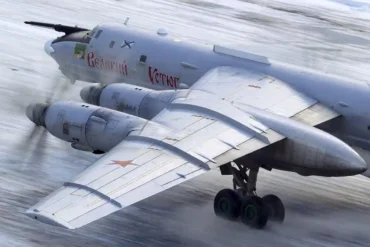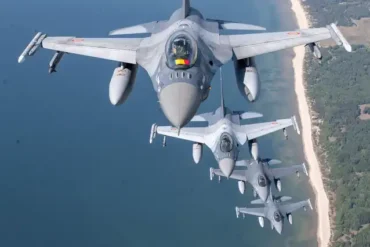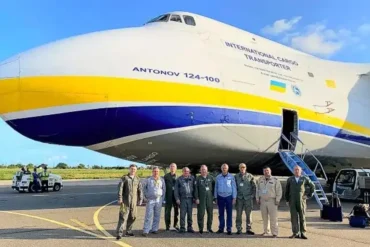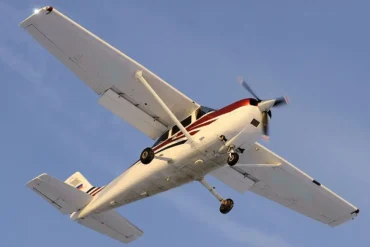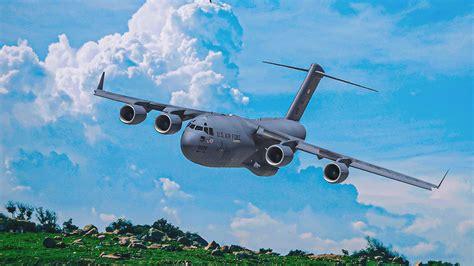
Military cargo planes are some of the most recognizable aircraft in aviation history, known for their massive fuselages, wide ramps, and distinctive wing placement. Unlike commercial airliners, which typically have low-mounted wings beneath the fuselage, many military transport aircraft adopt a high-wing configuration, positioning the wings above the body of the plane. This design is not merely aesthetic — it is a product of engineering necessity, built to meet the demanding operational requirements of transporting troops, vehicles, and heavy equipment in some of the harshest environments in the world.
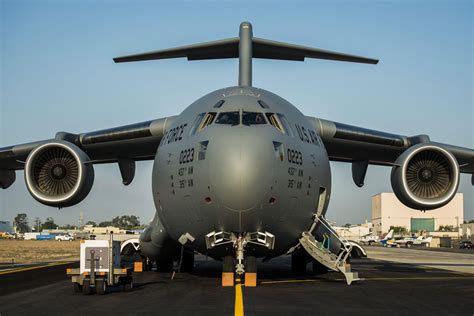
The Purpose of High-Wing Configurations in Military Transport Aircraft
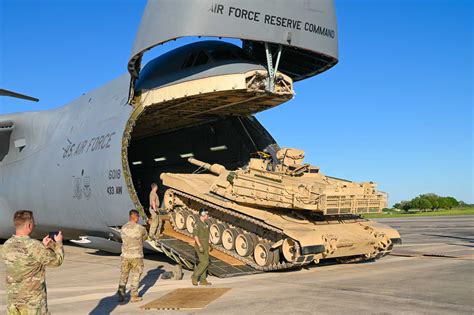
The primary reason for the high-wing placement on military cargo planes lies in cargo handling and ground operations. By situating the wings above the fuselage, designers are able to keep the main body of the plane closer to the ground, drastically improving accessibility. This allows for massive rear-loading ramps that double as cargo doors, making it possible for tanks, armored personnel carriers, and other vehicles to roll on and off the plane without the need for complex lifting equipment. This is especially critical in combat zones or humanitarian missions where infrastructure may be limited.
The interior cargo bay design also benefits from this configuration. Placing the wing box — the large internal structure that supports the wings — above the fuselage ensures it does not cut through the cargo hold. This means the entire fuselage can be used for uninterrupted storage space, accommodating longer and bulkier loads without structural interference.
Enhanced Engine and Airframe Protection
Another major advantage of the high-wing configuration is engine placement. Military cargo aircraft often operate from austere or semi-prepared airstrips, including dirt runways, grass fields, and even improvised landing zones. Mounting the engines higher, along with the wings, provides greater ground clearance and significantly reduces the risk of foreign object debris (FOD) being sucked into the engines. This is a life-saving feature, as engine damage in these environments could be catastrophic.
Moreover, the added clearance allows for larger propeller diameters or high-bypass turbofan engines, improving takeoff performance on short and rough runways. For missions where quick liftoff is essential, such as evacuations or delivering critical supplies under fire, this design choice can be the difference between mission success and failure.
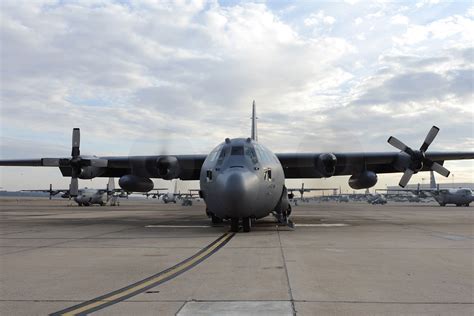
Kneeling Systems and Improved Loading Efficiency
Some cargo planes with high-wing designs, like the Lockheed C-5 Galaxy, incorporate kneeling landing gear systems. This feature allows the aircraft to lower its fuselage using hydraulic actuators, bringing the cargo floor closer to ground level. This further simplifies the loading process for oversized equipment, speeding up operations in time-sensitive missions.
This level of adaptability underscores why the high-wing setup is ideal for logistical military aircraft — it maximizes loading efficiency while accommodating heavy and unconventional payloads.
The Operational Flexibility of High-Wing Designs
Military operations often require aircraft to land and take off from short, unpaved, or poorly maintained runways. High-wing aircraft provide an operational advantage in these settings by distributing weight more evenly across the fuselage and wings, improving stability during rough landings. Their increased ground clearance also reduces the likelihood of damage from debris, making them better suited for missions in remote or hostile environments.
These design considerations are why aircraft like the Boeing C-17 Globemaster III and Lockheed C-130 Hercules remain indispensable to modern military logistics. Their ability to deliver large quantities of equipment, humanitarian supplies, or troops directly to the frontlines has redefined rapid response capabilities for armed forces worldwide.
Why Not Use High-Wing Designs for All Aircraft?
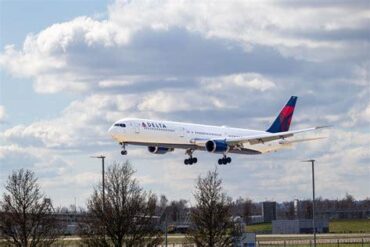
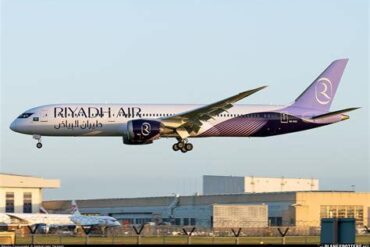
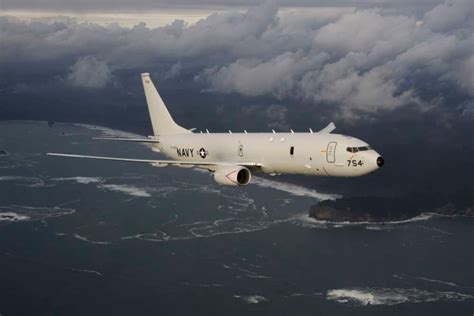
While the high-wing configuration is ideal for military transport planes, it isn’t universally practical. Commercial airliners and specialized military aircraft—like the Boeing P-8A Poseidon (a maritime patrol variant of the Boeing 737) or the KC-46 Pegasus aerial refueling tanker—use low-wing designs for several reasons. Low-mounted wings generally provide better aerodynamic efficiency, reducing drag and improving fuel economy for long-range flights. This is crucial for aircraft designed to maximize flight endurance and operating costs.
Additionally, having engines mounted under low wings simplifies maintenance and inspection, as ground crews can easily access them without special equipment. For commercial airliners operating from well-maintained airports, the risk of foreign object damage is minimal, making the high-wing advantages unnecessary.
The low-wing configuration also allows for the landing gear to be housed within the wing structure, reducing fuselage complexity and improving the overall aerodynamics of the aircraft. In passenger aircraft, the low wings even serve as additional crumple zones during emergency landings, enhancing safety.
A Balance Between Mission Requirements and Design
Ultimately, the choice between high-wing and low-wing designs is driven by mission-specific requirements. Military transport planes prioritize cargo capacity, rugged field performance, and operational flexibility, making the high-wing configuration optimal. In contrast, aircraft focused on fuel efficiency, speed, or specialized functions benefit from the low-wing design.
This careful consideration of mission needs versus design trade-offs illustrates the engineering complexity behind aircraft development. Every feature, from wing placement to landing gear integration, directly reflects the operational purpose of the plane.
The Legacy and Future of High-Wing Military Cargo Planes
High-wing military cargo aircraft like the C-17 Globemaster III, C-130 Hercules, and C-5 Galaxy have played pivotal roles in combat logistics, humanitarian missions, and disaster relief for decades. As aviation technology evolves, these planes continue to be upgraded with advanced avionics, stronger materials, and more efficient engines, but their fundamental design principles remain unchanged.
The high-wing configuration will likely continue dominating the heavy-lift military aircraft category, as its advantages in accessibility, safety, and versatility remain unmatched by alternative wing placements.
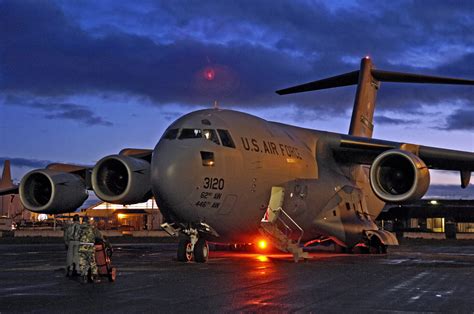
In summary, military cargo planes have wings on top not by chance, but by necessity. Their design reflects the harsh realities of their missions: operating from dangerous, unprepared environments while carrying enormous payloads with speed and efficiency. The high-wing layout embodies a balance of ruggedness and practicality, ensuring these aircraft remain indispensable tools for military and humanitarian efforts across the globe.