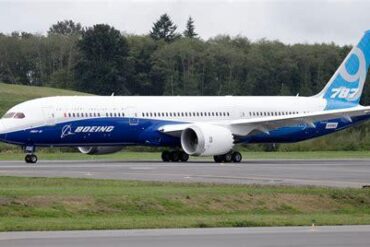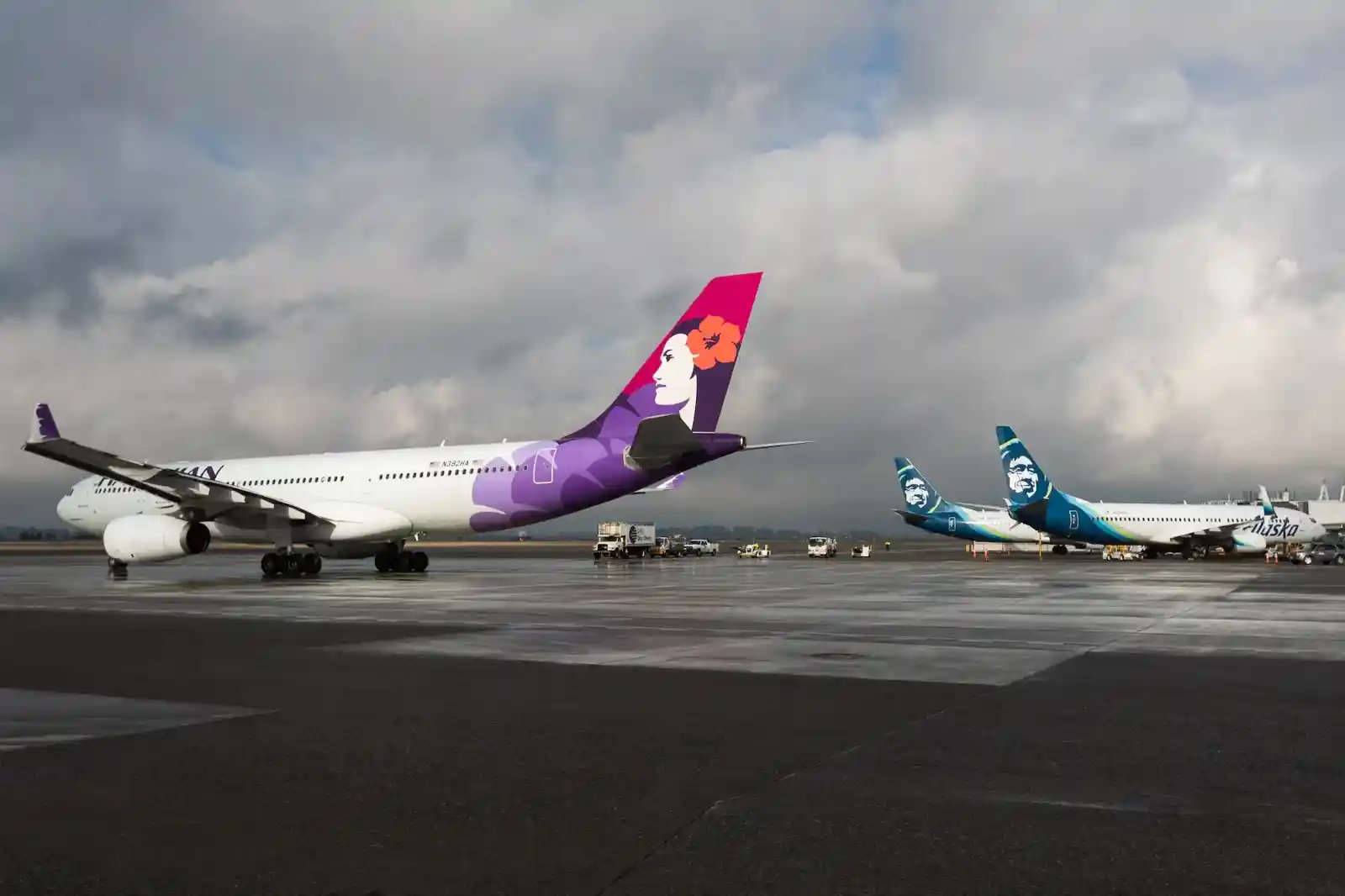
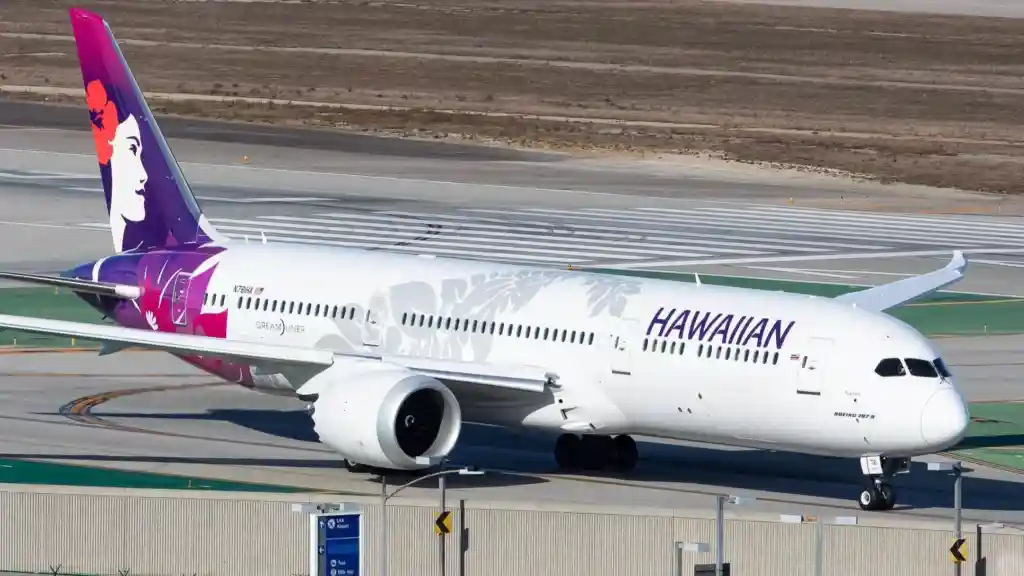
Alaska Airlines has embarked on a bold transformation, expanding its long-haul fleet by increasing its Boeing 787‑9 Dreamliner order from 12 to 17 aircraft. This move places Alaska alongside global heavyweights such as Qatar Airways, IAG, All Nippon Airways (ANA), Riyadh Air, flydubai, Austrian Airlines and LOT Polish Airlines—each doubling down on the 787’s blend of fuel efficiency, passenger comfort and network flexibility. Driven by its recent acquisition of Hawaiian Airlines and an aggressive international vision, Alaska aims to convert Seattle–Tacoma International Airport into a premier global gateway.
Alaska’s decision to pivot from regional West Coast operations into true intercontinental service signals a watershed moment for the carrier. By redeploying Dreamliners originally designated for Hawaiian’s Airbus A330 modernization, Alaska gains ultra‑long‑range capability without the burden of developing a new fleet program from scratch. The airline plans to establish a dedicated 787 pilot base in Seattle by March 2026, underpinning nonstop launches to critical markets including Seoul Incheon and Rome Fiumicino, alongside its existing service to Tokyo Narita.
A New Global Vision Takes Flight
Alaska’s expansion transcends mere fleet augmentation; it embodies a sweeping strategic realignment. Seattle’s geographic position—where Pacific Rim commerce meets transatlantic demand—affords Alaska a unique nexus to connect North America with Asia and Europe. By deploying five additional Dreamliners, the carrier can offer new nonstop routes, augment frequencies on key corridors and maintain spare-aircraft reserves to safeguard operational reliability. The shift from Hawaiian’s Honolulu hub to Seattle also reinforces Alaska’s commitment to its Pacific Northwest roots, while leveraging Hawaiian’s proven long‑haul expertise.
Turning Seattle Into a Genuine International Hub
The airline has set an ambitious target: by 2030, serve at least 12 nonstop international destinations from Seattle. To achieve this, Alaska must balance aggressive route launches with the necessary infrastructure—pilot staffing, ground handling, lounge amenities and interline partnerships. Yet Delta Air Lines, long entrenched at Sea‑Tac with an expansive international portfolio and its flagship Delta One Lounge, remains a formidable rival. Alaska’s own international lounge, currently in planning stages, must match or exceed Delta’s premium experience to sway discerning travelers and business clients.
Navigating the Complex Marriage With Hawaiian Airlines
Alaska’s acquisition of Hawaiian Airlines unlocked ready‑made Dreamliners, but introduced brand integration challenges. Passengers flying on Hawaiian‑branded jets under Alaska’s livery face mixed onboard service standards, from meal offerings to cabin aesthetics. Moreover, inherited A330s deployed on initial long‑haul routes feature outdated business‑class pods and no onboard Wi‑Fi—a glaring deficiency in an era of ubiquitous connectivity. Even Alaska’s incoming 787s will debut without full Wi‑Fi capability, risking customer dissatisfaction among high‑yield corporate travelers who demand uninterrupted broadband at 35,000 feet.
Facing Fierce Competition and Rising Costs
Alaska’s global gamble comes amid intensifying competition and financial headwinds. Delta’s deep pockets allow sustained investment in premium cabins, lounges and cutting‑edge inflight technology. Meanwhile, Alaska must assimilate Hawaiian’s fleet, workforce and systems with precision—any misstep could erode margins and customer loyalty. Recent soft load factors on the Seattle–Tokyo Narita route underscore the importance of calibrated market demand analysis. As fuel prices and payroll expenses climb, Alaska’s executives must balance growth ambitions against prudent cost management.
Building Toward a Unified Customer Experience
Recognizing brand fragmentation, Alaska plans a comprehensive retrofit of Hawaiian’s A330 cabins—upgrading seats, inflight entertainment and Wi‑Fi by late 2026. Equally vital is loyalty program integration: merging Mileage Plan and HawaiianMiles by August 2025 will unlock cross‑network benefits and streamline rewards. A seamless, unified identity—across branding, service standards and digital platforms—will be essential for Alaska to retain loyal flyers and attract new international customers.
Airlines Worldwide Bet Big on Boeing 787 Dreamliners
Across continents, carriers are embracing the 787 to modernize fleets and expand reach. In May 2025, Qatar Airways placed the largest single Dreamliner order ever—up to 130 aircraft—cementing Doha’s status as a global aviation hub. International Airlines Group (IAG) committed to 32 Boeing 787‑10s for high‑density North American and Latin American routes, prioritizing premium cabins and operational efficiency. ANA, a launch customer, added 18 more 787‑9s to its Asia–North America network, capitalizing on recovering business travel and cargo demand.
- Riyadh Air: up to 72 787‑9s under Saudi Vision 2030, targeting Europe, Asia and the Americas.
- flydubai: 30 787‑9s for first‑ever long‑haul services to Europe, Southeast Asia and Africa.
- Austrian Airlines: 11 787‑9s replacing aging 767s/777s by 2028 to meet EU emissions targets.
- LOT Polish Airlines: two additional 787‑8s from 2026, bringing its total to 17 for transatlantic expansion.
- Air Niugini: two 787‑8s to inaugurate nonstop services to key Asian and Australian cities.
Behind the Numbers and Emerging Challenges
Boeing’s 2025 order book shows over 672 unfilled 787‑9 orders and 243 for the larger 787‑10—evidence of sustained demand. Yet Boeing grapples with production delays and quality control issues that could slow deliveries. Airbus’s A350 remains a competitive alternative, boasting comparable economics and cabin comfort, intensifying the widebody rivalry. Additionally, environmental regulations push airlines to balance network growth with sustainable practices, a delicate dance as carriers pursue greener operations while expanding long‑haul footprints.
The Road Ahead for Global Travelers
For passengers, Alaska’s Dreamliner infusion promises new direct routes, advanced cabin comfort and quieter flights. However, initial service inconsistencies—mixed branding, aging A330 cabins and staggered Wi‑Fi rollouts—may test traveler patience. As Alaska vies to match Delta’s polished premium offering, Seattle’s evolution into a true global gateway hinges on flawless execution across fleet, facilities and loyalty. The coming years will determine if Alaska Airlines can transcend its regional legacy to become a formidable global competitor or if the weight of its expansion will ground its lofty ambitions.
With the Boeing 787 Dreamliner at its core, Alaska Airlines has signaled a seismic shift in its strategic trajectory. By joining the ranks of elite carriers investing heavily in next‑generation widebodies, Alaska stakes its claim on the global stage. Whether it can translate aircraft orders into sustained market share growth and unparalleled traveler experience remains the ultimate test in this high‑stakes race for the skies.